
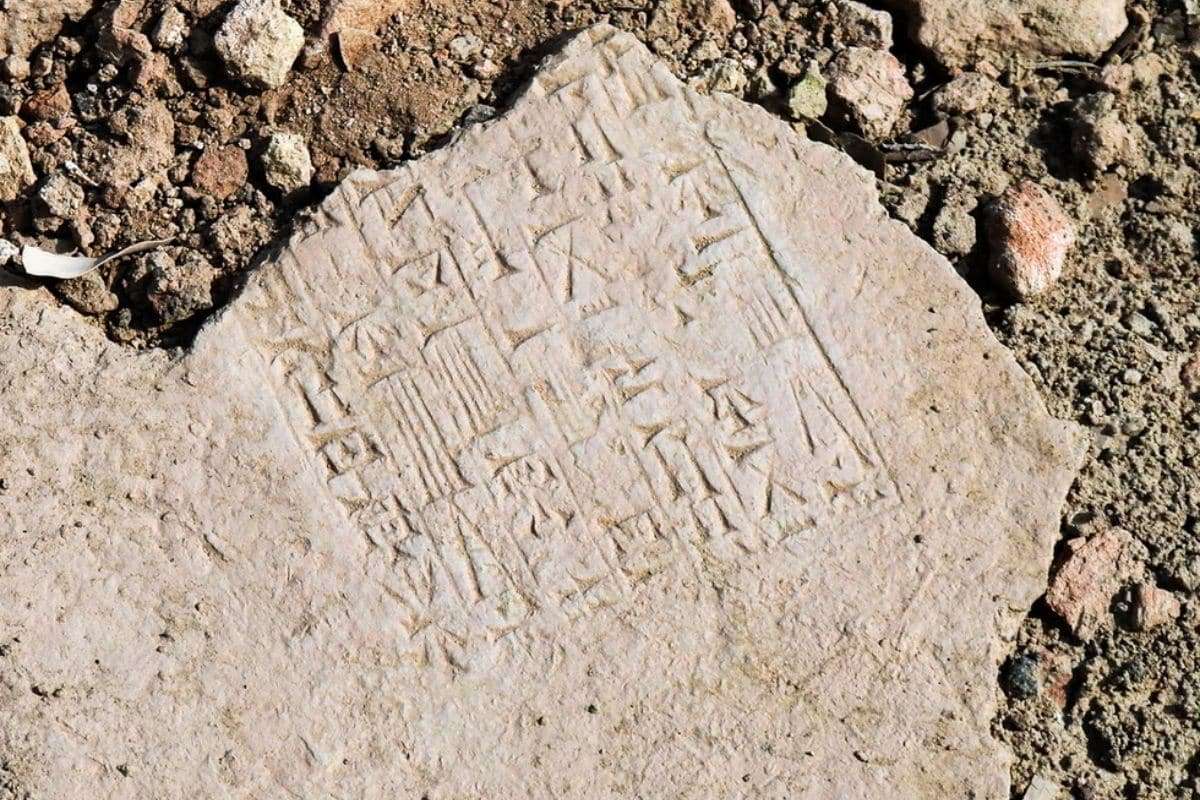
Archaeologists have achieved a breakthrough in interpreting a 4,000-year-old set of cuneiform tablets that contain forewarnings, including a chilling prophecy stating, “a king will die.”
A recent study published in the Journal of Cuneiform Studies highlights how these ancient inscriptions, connected with lunar eclipses, illuminate Babylonian perspectives on astronomy and their use of divination to anticipate both natural catastrophes and political upheavals.
Revealing Timeworn Prognostications
For years, the meaning of these cuneiform tablets remained mysterious until translators recently made significant progress. The texts are filled with ominous predictions, many warning of calamities like famine, epidemics, invasions, and especially the demise of a monarch. Written in Akkadian, the ancient language of Mesopotamia, these documents served Babylonian rulers as tools to interpret celestial signs predicting future disasters.
Lunar eclipses were particularly viewed as dire portents. Babylonian sky-watchers, armed with sophisticated astronomical knowledge, observed that eclipses often aligned with major disturbances. These astronomical phenomena were regarded as divine communications, signaling possible impending threats.

Significance of Lunar Eclipses in Babylon
In Babylonian culture, lunar eclipses were more than uncommon celestial events; they symbolized powerful divine warnings. The Babylonians noted a pattern where eclipses coincided with critical challenges like agricultural failures and social turmoil.
These eclipses were interpreted as messages from the gods predicting misfortune. Such omens were critical for sustaining the kingdom’s order and ensuring the security of its leaders.
Andrew George, a key researcher on the tablet translations, explains that Babylonians reacted to these signs with ceremonies and appeals to the gods. When an omen indicated severe risk, royal counselors employed further divinatory techniques, including extispicy—a ritual examining the entrails of sacrificed animals to assess the threat’s gravity.
Divination and Protective Rituals
Upon receiving a grim prophecy, such as the anticipated death of a king, Babylonian officials promptly initiated verification through rituals like extispicy, carefully interpreting the insides of sacrificial animals.
If the omens confirmed danger, special rites were performed to avert the disaster. These customs were vital in preserving political stability and the monarch’s well-being, who was seen as essential to Babylonian society.
Babylonians believed that divine blessing was crucial for a prosperous reign, making the interpretation of omens indispensable for maintaining that favor. Should the king’s survival be threatened, rituals aimed to protect both him and the kingdom’s future.
Unlocking the Tablet's Message
The British Museum acquired these cuneiform tablets during the late 19th and early 20th centuries, but their importance remained obscure for many years. With thousands of cuneiform artifacts present, deciphering these specific prophetic texts was a lengthy endeavor.
Recognition of their value only came in the 1970s, and it is recent scholarship that has finally unveiled the ancient forecasts.
The translation was a painstaking task involving meticulous examination, illustration, and comparison with other texts. Experts like Andrew George and Junko Taniguchi have shed light on Babylonian divination methods and the rich culture of ancient Mesopotamia.
- Categories:
- Science












0 comments
Sign in to Comment