
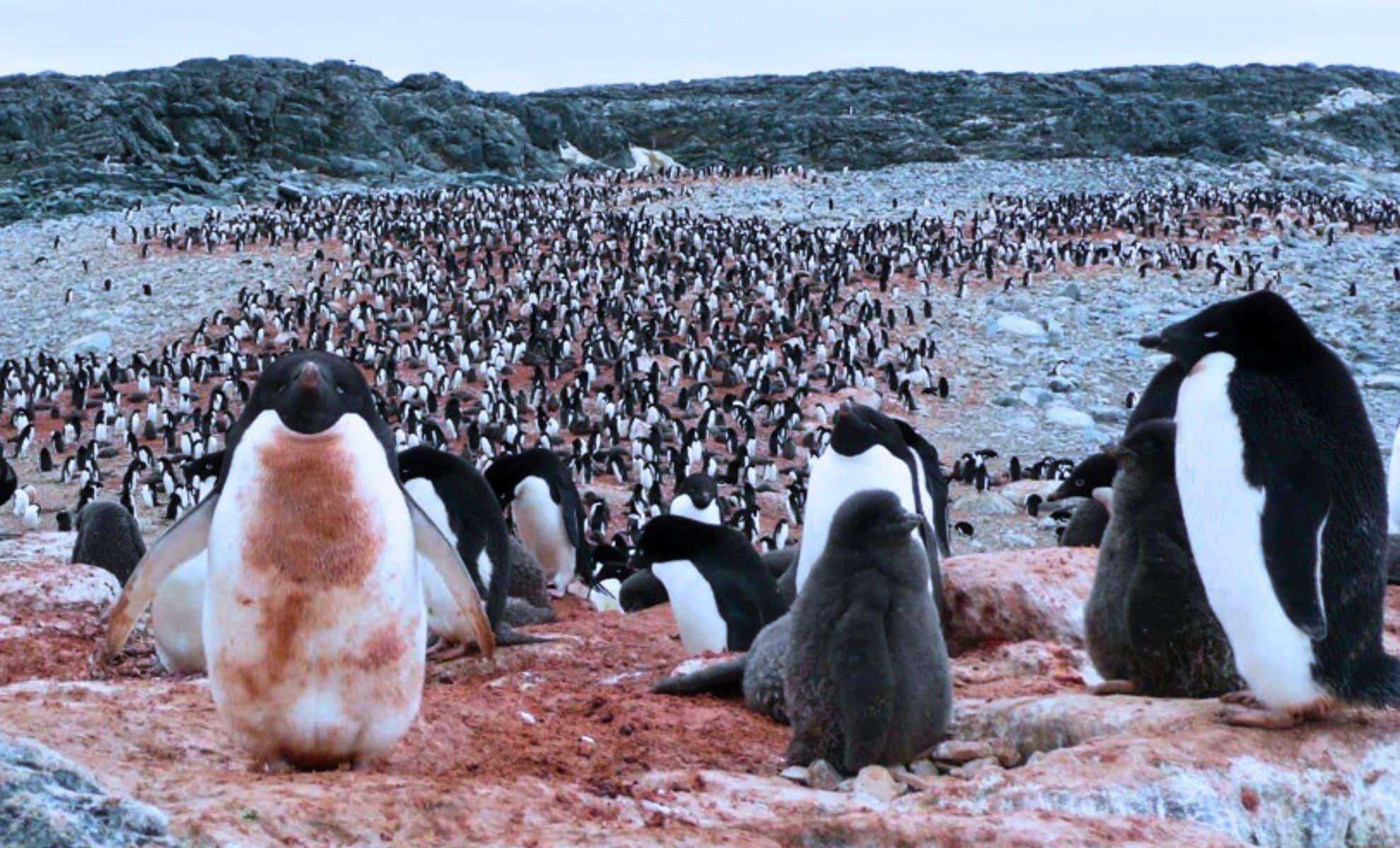
For six millennia, Adélie penguins have unwittingly chronicled Antarctica's evolving climate—not through traditional records, but via their droppings.
A pioneering new study featured in Nature Communications examined more than 100 sediment samples, enabling researchers to reconstruct past environmental changes and reveal the profound impacts on local fauna and ecosystems.
This investigation offers an unprecedented glimpse into Antarctica’s historical and current conditions, highlighting how species adjusted to environmental upheavals and what this signifies for the continent's sensitive habitats going forward.

Adélie Penguins as Ecosystem Indicators
More than charismatic birds, Adélie penguins serve as a key indicator species whose behaviors reflect broader ecosystem health. Monitoring their patterns, diets, and colony sizes provides scientists with early signals of ecological shifts.
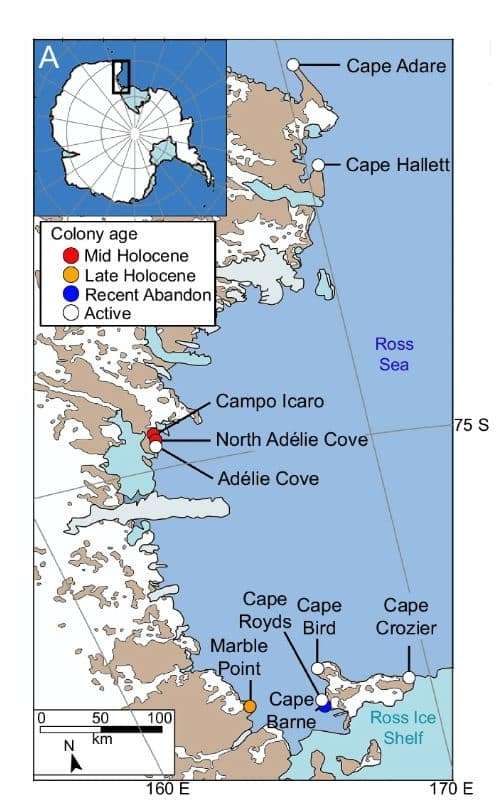
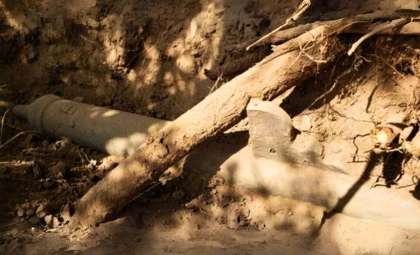
Expanding on this concept, the study utilized ancient DNA recovered from feces and sediment deposits to delve into a lengthy record of environmental change. Scientists gathered samples from ten Adélie penguin rookeries along a 700-kilometer (434.96-mile) Antarctic shoreline, excavating pits about 0.8 meters (2.62 feet) deep.
Of these colonies, six still exist today, while four disappeared throughout history, underscoring how shifts in climate and habitat have driven population dynamics.
Vast DNA Data Sheds Light on Past Ecosystems
From the sediment samples, researchers isolated 156 metagenomic datasets, yielding an extraordinary 94 billion DNA sequences. This vast genomic trove unlocked detailed insights into ancient ecosystems, tracking not just penguins but also other animals inhabiting the Ross Sea area.
Evidence emerged of birds, seals, and soil organisms, confirming Adélie penguins' presence in the region for at least 6,000 years. The data also charted historical wildlife changes, revealing the rise and decline of various species over millennia.
Dietary and Species Shifts in Response to Climate
The study uncovered a striking alteration in the Adélie penguins’ feeding habits. Traditionally dependent on bald notothen fish—a species that thrives beneath sea ice—the penguins later shifted to a different primary food source, likely triggered by geological or climatic events that transformed their hunting grounds.
Additionally, the research documented the disappearance of elephant seals from Cape Hallett in the northern Ross Sea roughly 1,000 years ago. This species' decline is attributed to climate-driven sea ice loss. Their departure paved the way for Adélie penguin expansion, illustrating how losses within an ecosystem can create niches for other species.
A clear trend emerged: warming temperatures and shrinking sea ice result in species relocating or vanishing, raising concern for contemporary climate change impacts occurring at an accelerated pace.
Piercing the Past to Safeguard the Future
Although this study marks a major advance, researchers suggest it may represent only the tip of the iceberg. Excavations reached just over 2.6 feet (0.8 meters) deep, but deeper digs could potentially reveal up to a million years of Antarctic climate history frozen beneath the ice.
Protected as the world’s largest marine reserve, the Ross Sea’s future conservation strategies will greatly benefit from this newfound knowledge. Understanding how Adélie penguins and their neighbors historically responded to climate fluctuations could inform efforts to anticipate and lessen future ecological disturbances in Antarctica.
- Categories:
- Science






0 comments
Sign in to Comment