
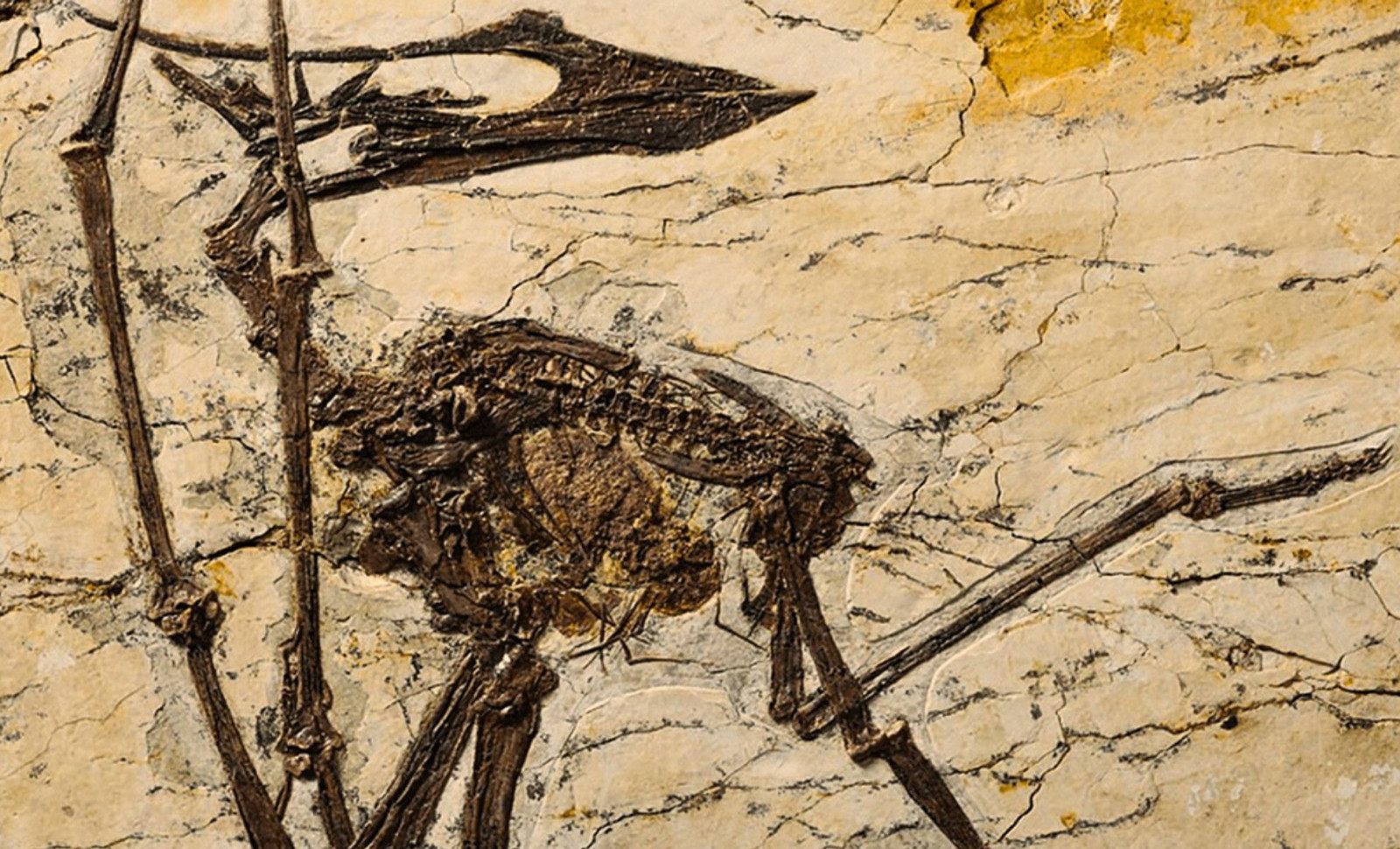
In the fossil-rich areas of northeastern China, researchers have uncovered a remarkably preserved pterosaur specimen that sheds light on the dietary habits of these prehistoric aviators. For years, the eating patterns of pterosaurs, a diverse group of extinct flying reptiles that existed for over 150 million years, have sparked debate. While anatomical features hinted at diverse diets, definitive proof was previously lacking.
The specimen belongs to the Tapejaridae family, recognizable for their prominent head crests and toothless jaws. Although these traits suggested they might have consumed various food types, fossilized evidence confirming plant consumption had not been documented until now.
The breakthrough came from analyzing the contents of the creature’s stomach, revealing preserved remnants from the moment it died—frozen in time through millions of years.

Discovery of Plant-Derived Microfossils in the Stomach
An international research effort, detailed in Science Bulletin, examined a juvenile Sinopterus atavismus fossil dating back about 120 million years to the Early Cretaceous. Unearthed from the renowned Jehol Biota, a location famous for exceptional fossils of feathered dinosaurs and soft tissues, this specimen provided unprecedented insights.
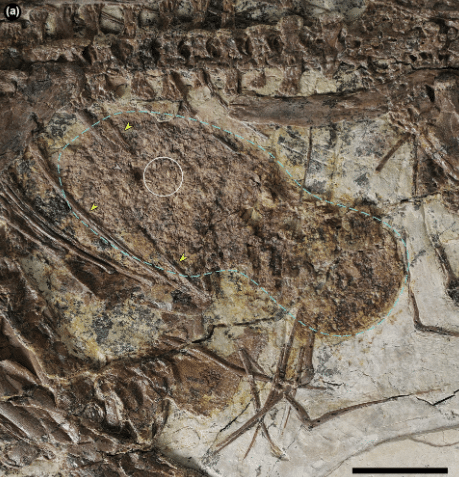
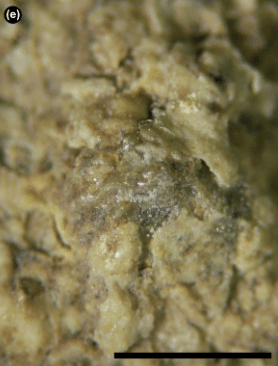
Using advanced X-ray imaging techniques, the team identified two key materials inside the abdomen: gastroliths, which are small digestive stones, and phytoliths, tiny silica particles formed within plants. Over 320 phytoliths were found in the stomach, marking the first discovery of these plant microfossils inside a pterosaur fossil.
Phytoliths are highly resilient and can outlast the plant tissues from which they originate. The distinct shapes found indicate a blend of woody and possibly flowering plant types, offering the earliest direct evidence of plant consumption in pterosaurs.
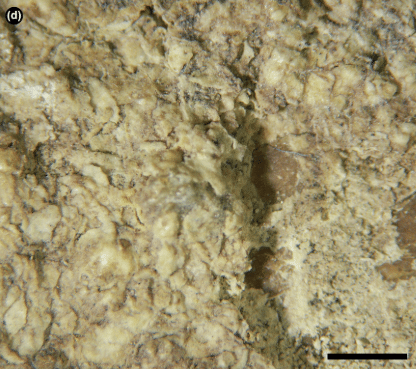
To ensure the plant particles originated inside the animal rather than from environmental contamination, the researchers compared the fossil’s stomach contents with the surrounding sediment, finding no overlap. No signs of insects, bones, or scales appeared, weakening any suggestion of a primarily carnivorous diet.
Gastroliths Suggest Specialized Digestive Processes
Clusters of gastroliths located in the upper stomach area further supported the hypothesis of herbivory. These mineral stones help modern birds and reptiles digest tough, fibrous foods. Their forms, size, and mineral composition suggest they were deliberately ingested to aid digestion, not accidentally swallowed.
Though gastroliths have been noted in other pterosaurs, they seldom coincide with preserved food residues. This fossil links both together, strengthening the case for plant-eating habits.
Reconsidering the Ecological Role of Tapejarids
Sinopterus atavismus belongs to a toothless tapejarid lineage, with distinct skull and jaw features that differ from fish- or insect-eating relatives. Previous studies, including research on Tapejara wellnhoferi, proposed that jaw strength and beak shape may have evolved for consuming fruit or plants—until now, these ideas lacked direct proof.
The fossil’s plant micro-remains provide concrete support that tapejarids had a varied diet including plant matter, confirming and expanding earlier morphological assumptions.
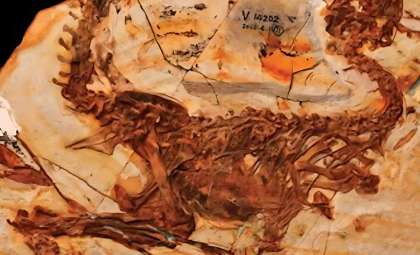
This fossil was initially described in a 2019 study focusing on new materials of the species from the Jiufotang Formation in Liaoning Province, emphasizing the specimen’s age and skeletal classification, but not its internal features.
The new findings allow a clearer understanding of S. atavismus’s diet and ecology, suggesting that herbivory was a significant part of its lifestyle and potentially common among close relatives.
Impacts on Understanding Cretaceous Food Webs
Stomach content fossils are extremely rare for pterosaurs. Until now, only five prior examples existed, all from the Jurassic genus Rhamphorhynchus, which showed fish remains confirming carnivorous diets. This is the first instance demonstrating direct plant consumption evidence.
These results may transform perspectives on Early Cretaceous ecosystems by showing pterosaurs as diverse feeders, including primary plant eaters. Such dietary variation probably helped reduce competition among species in flourishing prehistoric habitats.
The research team highlighted the importance of examining other well-preserved tapejarid fossils using non-invasive imaging, which may reveal further examples of dietary remains.
Co-author Alexander Kellner expressed in the study that the discovery "opens a new window with several possibilities to better understand extinct animals, including their feeding behaviour.”
- Categories:
- Science





0 comments
Sign in to Comment