
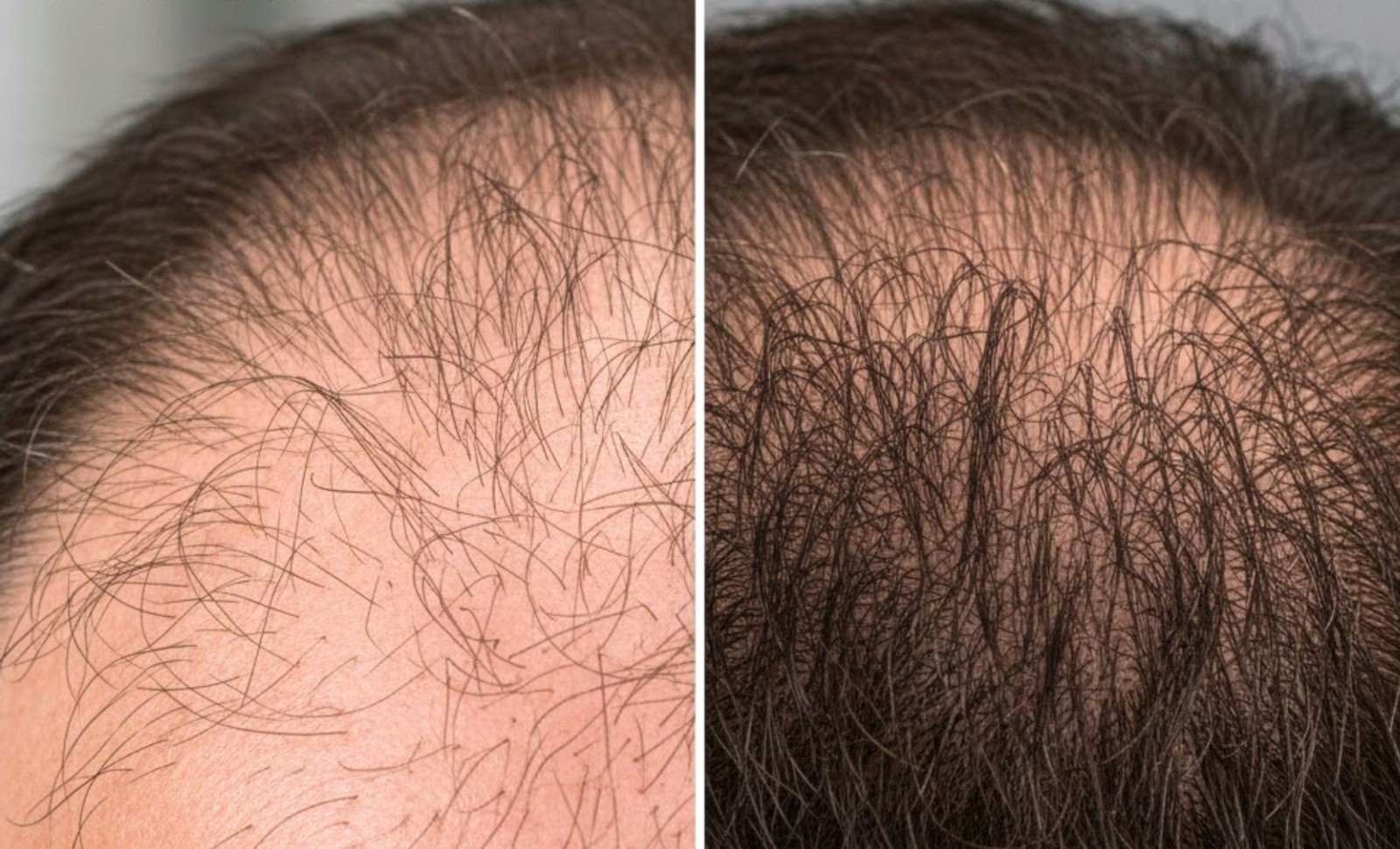
Millions coping with pattern hair loss often find that current treatments merely slow down hair thinning without restoring lost hair. A novel topical serum derived from the medicinal herb Centella asiatica has demonstrated swift and noticeable hair regrowth in clinical studies, potentially transforming hair loss treatments.
During a 56-day trial, this plant-based serum significantly enhanced hair density, thickness, and scalp condition when compared to placebo and standard treatments. Published in medRxiv, the research highlights a breakthrough approach involving plant-derived extracellular vesicles combined with recombinant growth factors to activate dormant hair follicles.
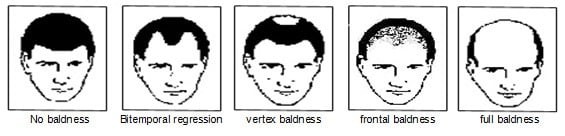
These findings emerge against a backdrop of increasing research into cellular bioelectric signals, follicular niche repair, and hormone-independent therapies—pointing to challenges for traditional pharmaceutical solutions from emerging bioengineered herbal treatments.

Clinical Trial Demonstrates Noticeable Hair Regrowth
The study involved 60 adults aged 18 to 60, randomly assigned to one of five groups: placebo, a base serum with caffeine and panthenol, and three active formulas containing extracellular vesicles along with growth factors IGF-1 and FGF-7. Participants applied their assigned serum daily over 56 days in a double-blind, placebo-controlled setting.
Data from the trial reveal that the triple-active serum, which incorporates both growth factors and C. asiatica vesicles, produced the most substantial improvements in hair count, length, thickness, and regulation of scalp oil levels.
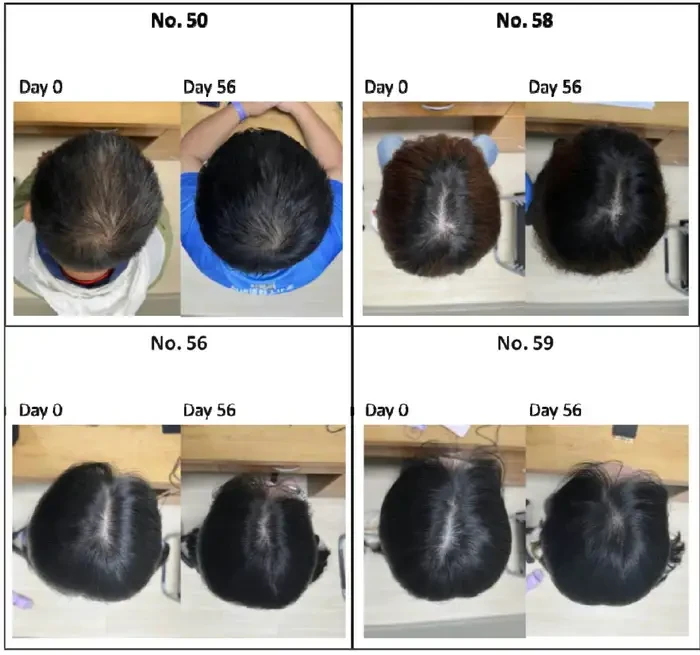
No side effects were reported by participants. The trial was ethically approved by the Institutional Review Board of Antai Tian-Sheng Memorial Hospital and registered under NCT06985121. This formulation’s efficacy stands out when compared with FDA-approved options such as minoxidil and finasteride, which often face criticism for limited benefits and unwanted effects.
According to the NCBI Endotext resource, minoxidil can cause scalp irritation and excess hair growth outside the target area, while finasteride—an inhibitor of DHT—carries risks of sexual side effects and requires continuous use. Unlike these, the new serum stimulates follicle-supportive cells and modifies the extracellular environment without altering hormonal processes, as explained in this linked article.
Bioelectric Activity of Fibroblasts Aids Hair Renewal
Chang and colleagues’ proposed mechanism gains validation from recent peer-reviewed research. A pivotal Cell publication pinpointed KCNJ2, a potassium channel, as a key modulator of membrane hyperpolarization in fibroblasts. This electrical state boosts Wnt signaling, essential for activating hair follicles.
The study also revealed that the membrane potential cycles with hair growth phases and that inducing hyperpolarization can restore hair growth in aging and androgenetic alopecia models.
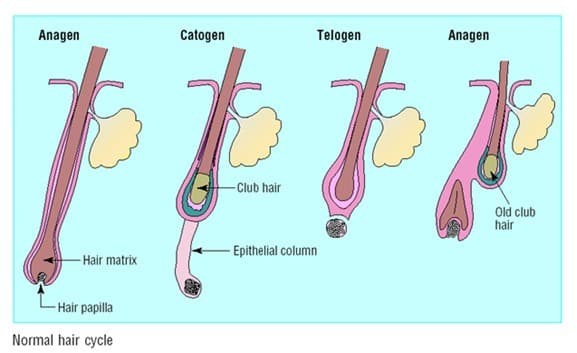
This bioelectrical framework supports using extracellular vesicles—natural cellular messengers—together with IGF-1 and FGF-7, which enhance matrix cell proliferation and hair shaft growth.
These findings clarify the rapid hair regrowth observed in the trial, achieved without hormonal manipulation, indicating a reprogramming of follicular function at the cellular level.
A Non-Hormonal, Safe Alternative for Hair Loss
The serum's relevance is especially significant for women facing female pattern hair loss, who have fewer safe treatment opportunities. A 2015 JAAD study on spironolactone, a systemic anti-androgen, showed some benefits but inconsistent outcomes and concerns over adverse effects especially in long-term use.
In contrast, the C. asiatica-based serum works locally, triggering follicular and dermal cells through non-hormonal mechanisms without systemic exposure. The 56-day trial demonstrated its tolerability and effectiveness in both men and women, suggesting it may serve as a comprehensive hair loss treatment.
Hair loss is a progressive condition marked by follicular miniaturization, inflammation, and shortened growth phases, as outlined in the NCBI Endotext. Conventional treatments usually only slow progression without meeting patient expectations.
By reversing hair count, thickness, and scalp quality in weeks, this serum offers a striking shift away from current standards.
Limitations, Potential Conflicts, and Future Directions
Despite encouraging results, the findings have some constraints. The study is currently a preprint, pending peer review. Moreover, most authors are affiliated with Schweitzer Biotech Company, the sponsor and serum manufacturer. According to the funding statement, the company did not engage in data analysis or result reporting.
The study followed a registered protocol under IRB supervision and employed objective, multi-point measurements, supporting the credibility of its results.
However, additional validation through independent, multi-center trials is essential to confirm reproducibility, long-term efficacy, and commercial viability. Regulatory frameworks for topical plant-derived vesicle therapies aimed at regeneration are still evolving.
- Categories:
- Science










0 comments
Sign in to Comment