
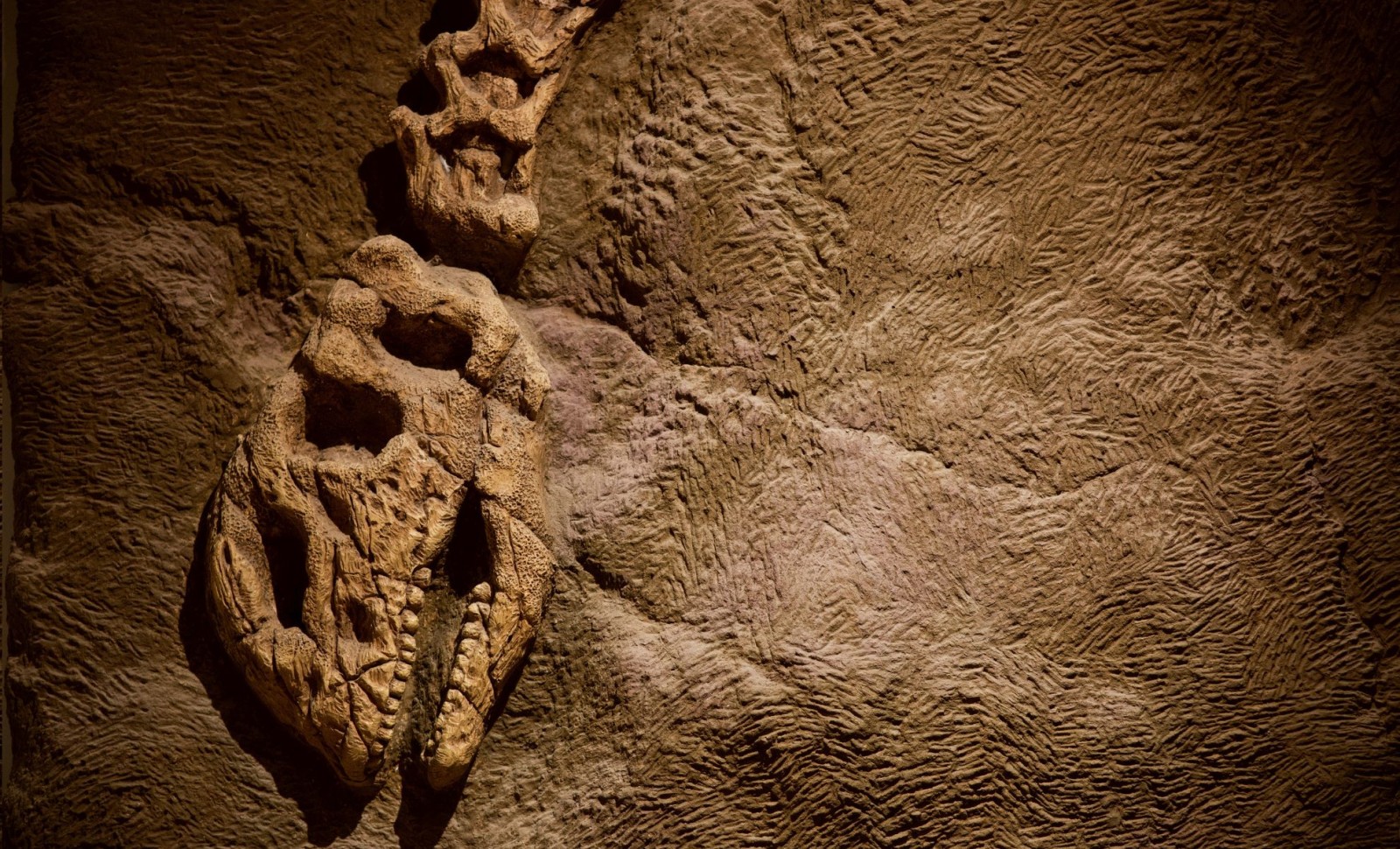
The small herbivorous dinosaur Pulaosaurus qinglong from roughly 163 million years ago was discovered with an astonishingly intact voice box, as well as seeds and tiny stones inside its stomach. This finding sheds new light on the feeding habits and possible vocalizations of early dinosaurs.
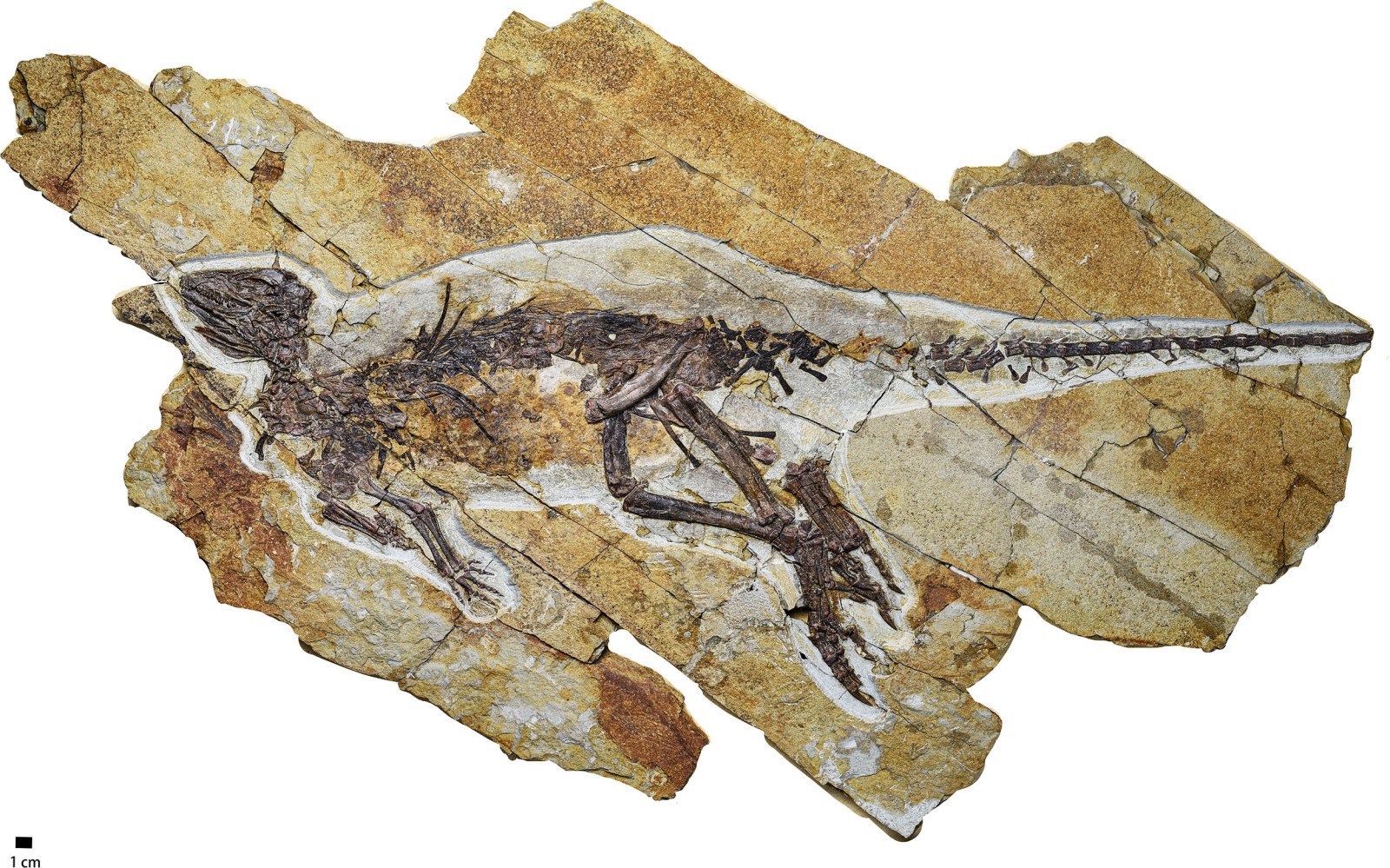
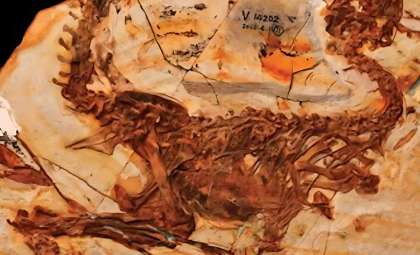
Unearthed in the fossil-rich region of Qinglong County, known for its Jurassic era deposits, the specimen was found in a slab of reddish sandstone. This volcanic and humid environment has enabled exceptional preservation of the skeleton, which was largely complete and positioned curled up. What really sets this fossil apart are the details uncovered within.
Exploring the Pulaosaurus Qinglong Specimen
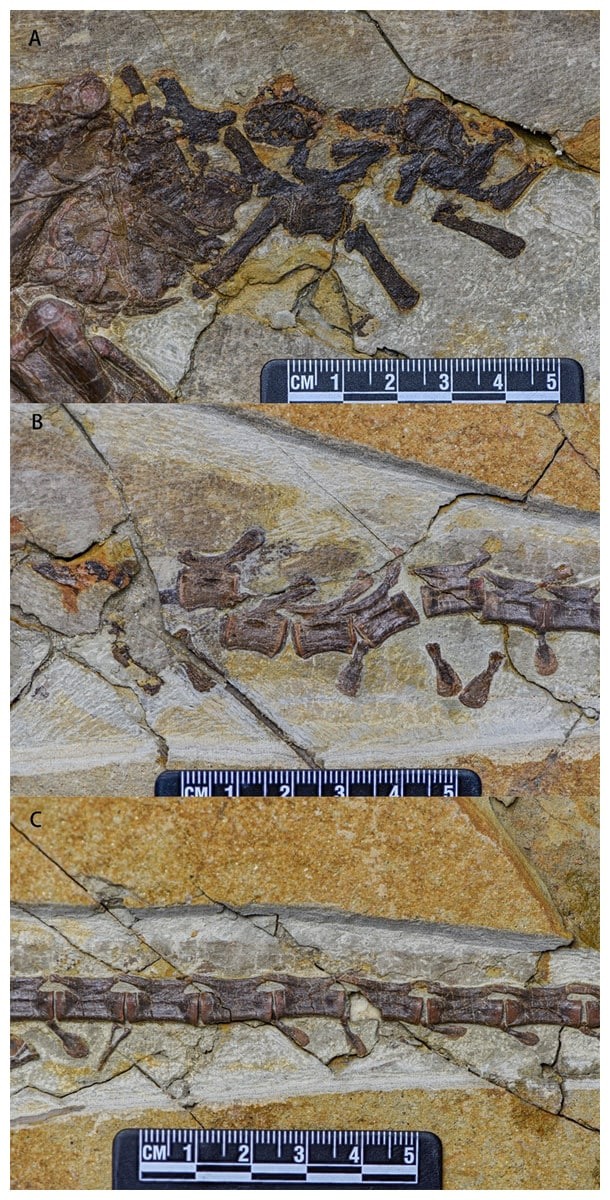
Reported in a study published in PeerJ, the fossil exhibits an extraordinary level of preservation. The full skeleton is only about 28 inches long, with bones connected in their natural arrangement, allowing scientists to analyze its posture and dietary behavior.

Paleontologist Yunfeng Yang from Beijing’s Institute of Vertebrate Paleontology and Paleoanthropology classifies Pulaosaurus as an early member of the neornithischian group, a lineage of small, plant-eating dinosaurs that eventually led to more familiar herbivores like duck-billed dinosaurs.
Inside the dinosaur’s stomach, researchers found numerous small stones along with oval impressions, indicating that Pulaosaurus consumed plant material and likely ingested grit to assist digestion. The presence of seeds within its fossils provides especially compelling direct evidence of its herbivorous diet.
The Unexpected Discovery of a Dinosaur Voice Box
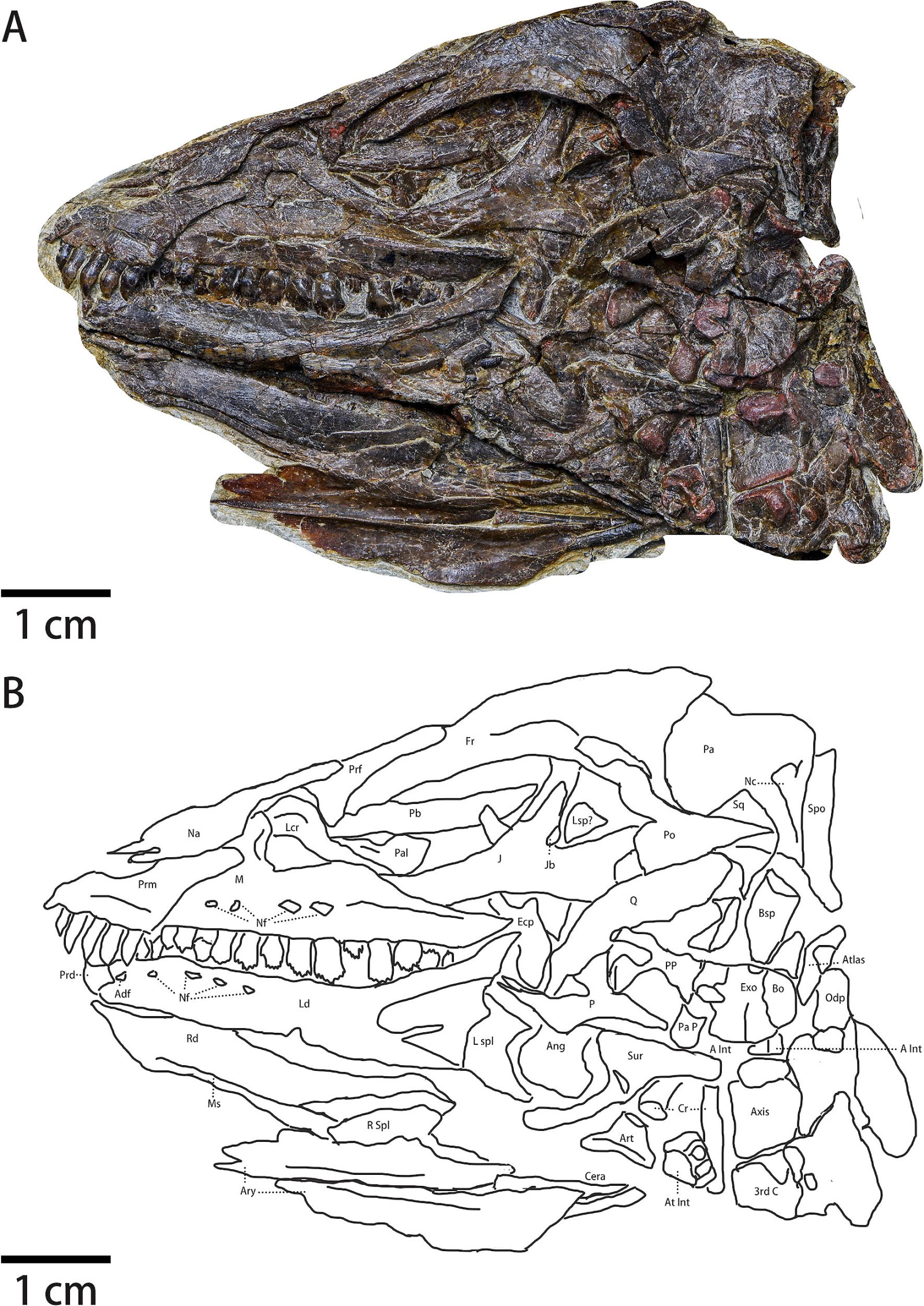
Astonishingly, near the lower jaw, scientists uncovered a pair of elongated bones that form the larynx or voice box. Unlike modern reptiles whose larynxes consist mainly of flexible cartilage, these bones are ossified—turned into solid bone—which is exceedingly rare among dinosaur fossils. These arytenoid bones help regulate airflow and sound production, suggesting Pulaosaurus might have been capable of making vocal sounds similar to birds.
Vertebrate paleontologist James Napoli explained that although some dinosaurs are thought to have possessed large larynxes, their function was believed to be modifying rather than generating sound. The preservation of these voice box bones in Pulaosaurus raises exciting possibilities about vocal complexity in dinosaurs.
“Dinosaur sounds are one of those persistent unknowns that make this paper all the more exciting,” Napoli explained. “Without fossilized vocal organs, which are extremely rare, it’s really hard to even begin to estimate the limits of dinosaur vocal behavior, much less what they really sounded like.”
Insights into Feeding Mechanisms and the Hyoid Bone
The fossil also preserves a portion of the hyoid bone, which supports the tongue and mouth. Notably, the hyoid bones of Pulaosaurus are relatively short compared to its jaw length, implying limited tongue mobility.
“It is possible for Pulaosaurus to have an avian-like vocalization,” said the research team of a 2018 study on dinosaur tongues anatomy.
In contrast to modern birds, which rely on highly mobile tongues, Pulaosaurus probably used its teeth and beak to gather and process food rather than a flicking tongue. This straightforward yet important detail enriches our understanding of how this prehistoric herbivore functioned every day.
- Categories:
- Science








0 comments
Sign in to Comment