
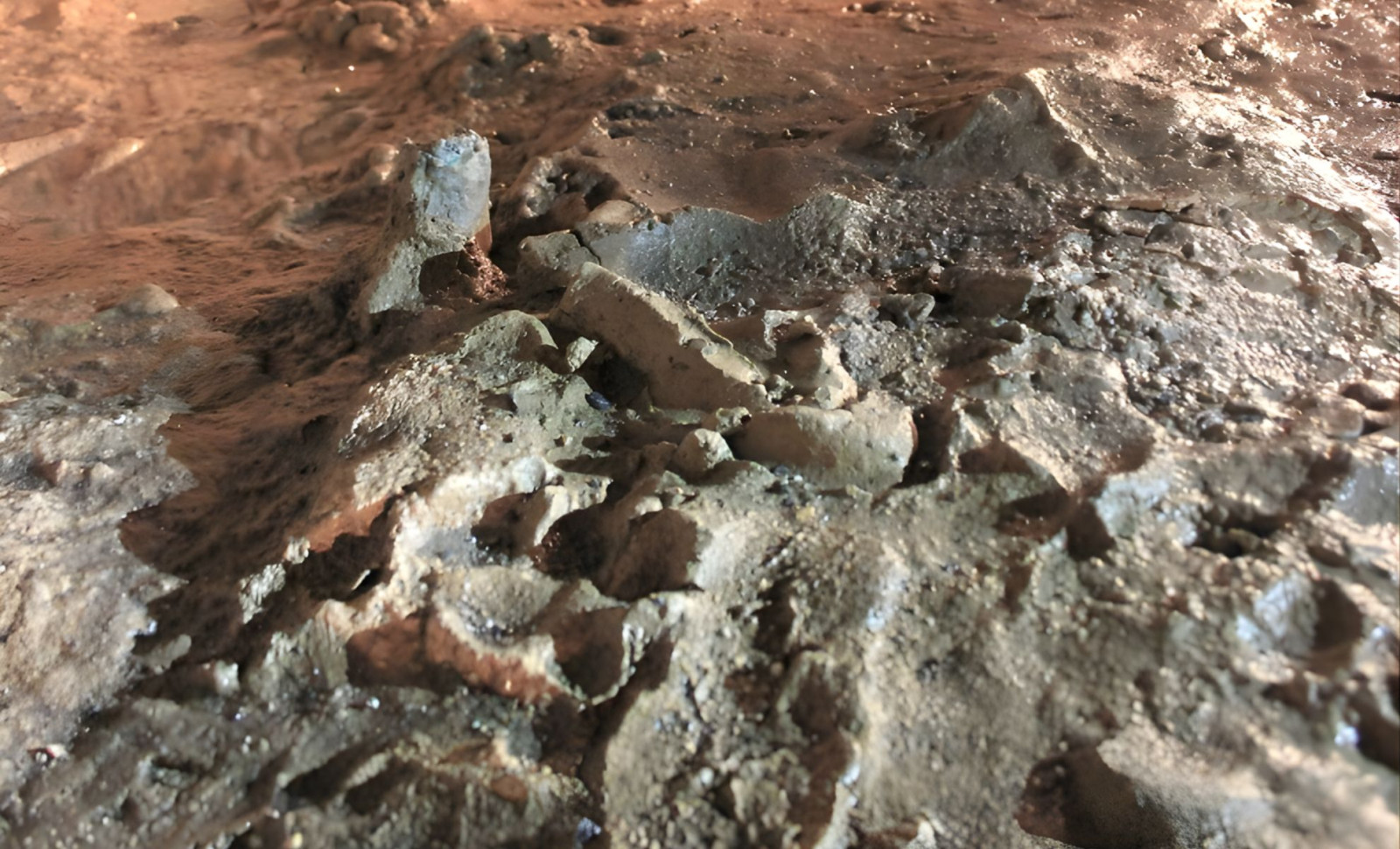
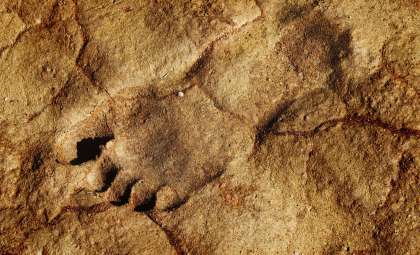
Within a secluded cave near Toirano, northern Italy, scientists have uncovered hand and footprints dating back approximately 14,000 years, providing a unique glimpse into early human activity.
The research team, led by Dr. Marco Romano from the University of the Witwatersrand in South Africa, published their results in the journal eLife. Their project focused on examining how ancient humans engaged with their subterranean surroundings.
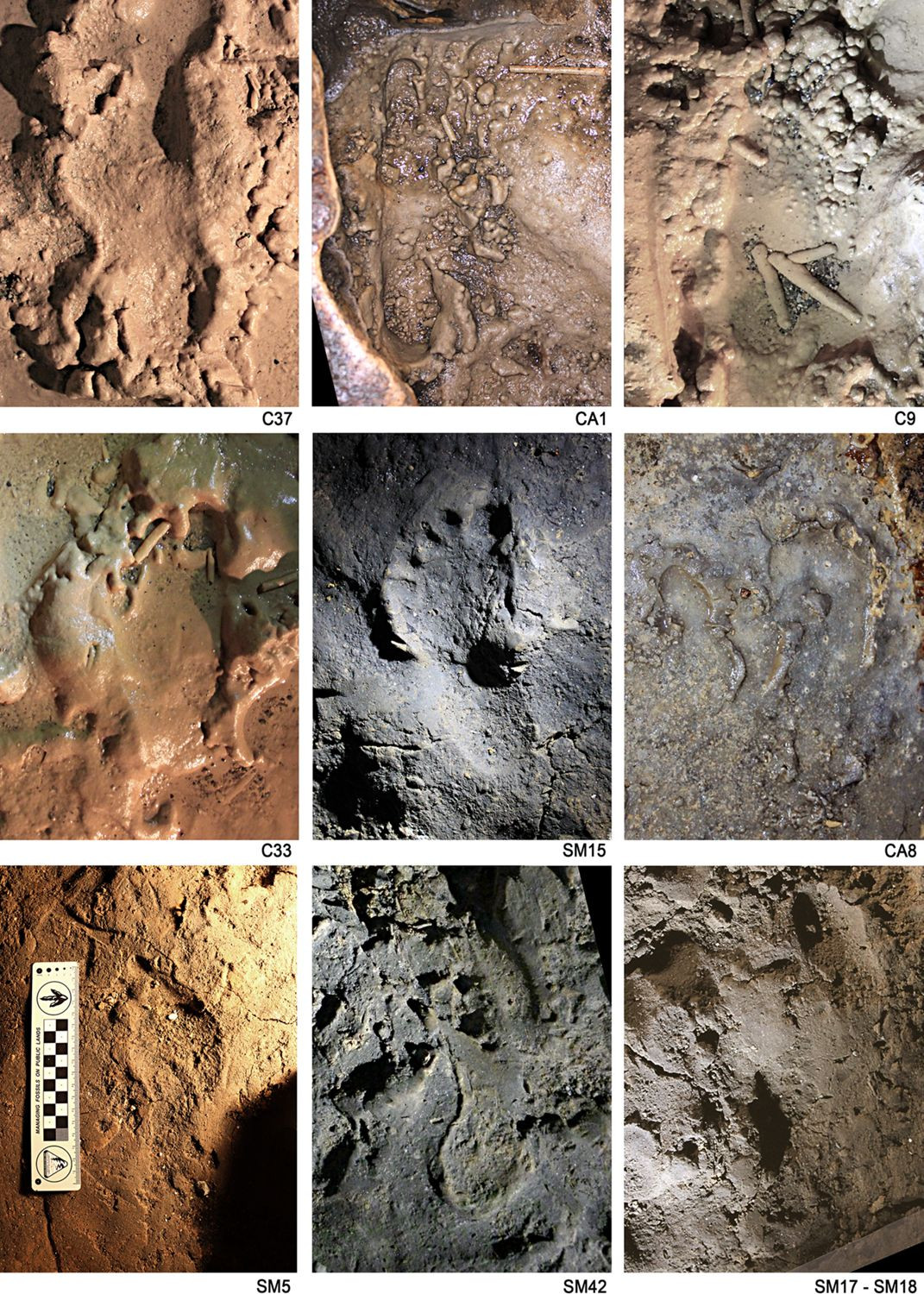
By documenting and analyzing more than 180 footprints and handprints, the group uncovered evidence pointing to a small troop of Paleolithic humans who ventured into the cave together.

Grotta della Basura: A Window Into the Past
Grotta della Basura is a deep cave in northern Italy known for its archaeological significance. Recent detailed investigations inside the cave revealed an astonishing total of 180 well-preserved prints. Employing cutting-edge 3D imaging and precise dating techniques, the researchers identified the explorers as comprising two adults, an adolescent, and two children.
Dr. Marco Romano explained that the primary objective was to decipher how these early humans moved through the cave and what their activities entailed. He noted:
“We set out to discover how many people entered the cave, whether they explored as individuals or as a group, their age, gender and what kind of route they took once inside the cave.”
Reconstructing Ancient Human Movements
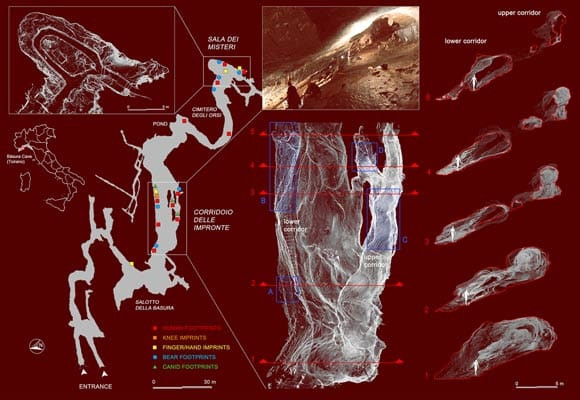
The footprints within the cave offer remarkable insights into how these prehistoric people interacted with their environment. Evidence suggests the group moved barefoot and likely used wooden torches to light their path, based on marks alongside the prints. These traces were preserved on the cave’s clay-rich floor, with scientists using diverse analytical approaches to recreate the explorers’ movements.
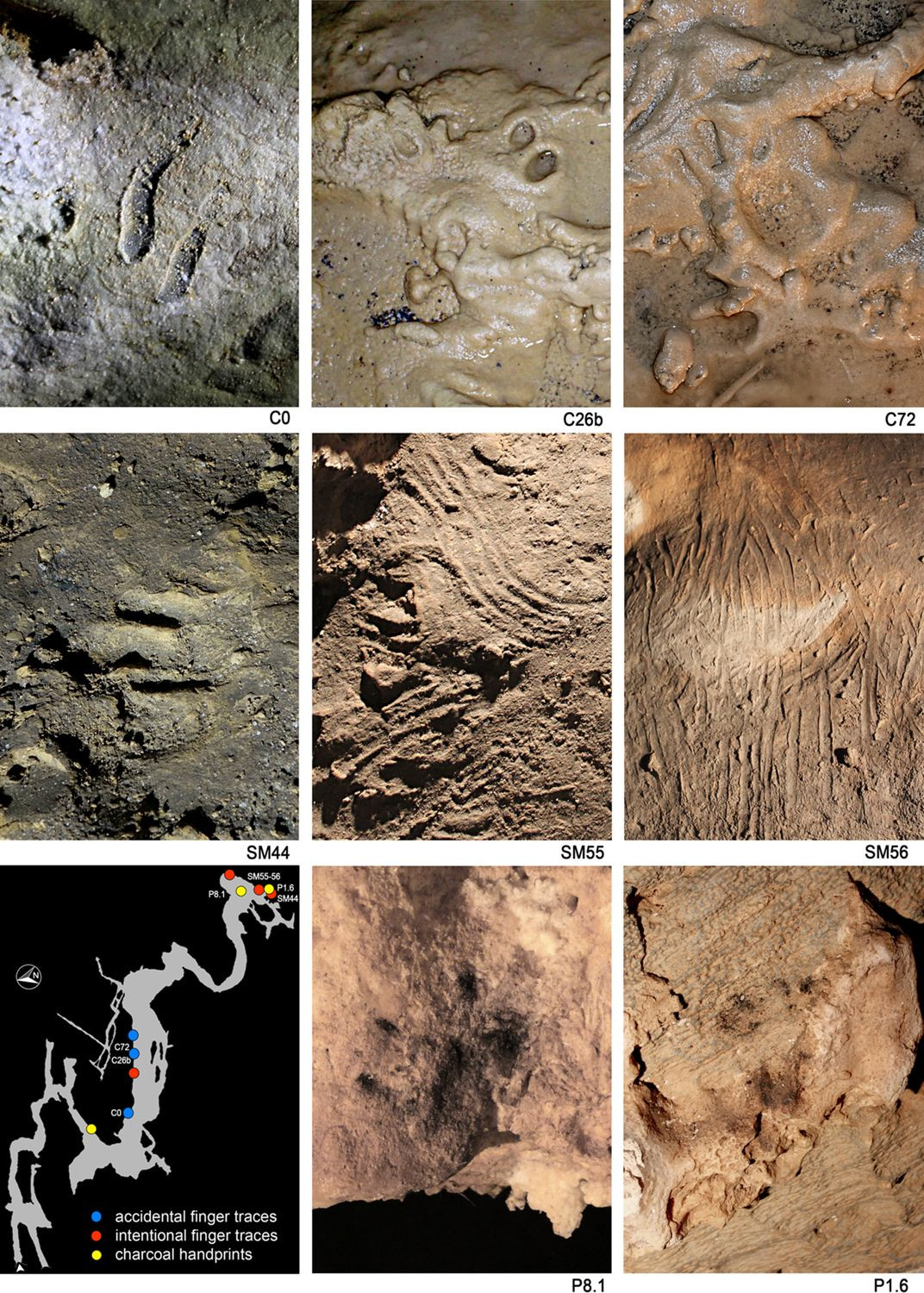
Some handprints appear accidental, produced as the group navigated the terrain, whereas others seem intentionally placed, which may point to social or ritual activities deep within the cave’s chambers.
The cave’s intricate layout, with narrow passages and chambers, was digitally mapped using advanced 3D technology, allowing researchers to delineate the explorers’ routes and their interactions with the cave space.
“Together, these approaches allowed us to construct a narrative of how the humans entered and exited the cave, and their activities once they were inside,” stated Dr. Romano,
The study also suggests these early humans used caves not only as shelter or hunting sites but potentially for communal or symbolic purposes.
Young Children Actively Participated in Paleolithic Exploration
One remarkable aspect of the research is the identification of footprints belonging to very young children, approximately three and six years old, alongside those of adults. This discovery implies that children were active participants in these expeditions.
The presence of children navigating tight cave passages suggests that in Upper Paleolithic societies, youngsters were involved in a diverse array of activities within their communities.
- Categories:
- News








0 comments
Sign in to Comment