
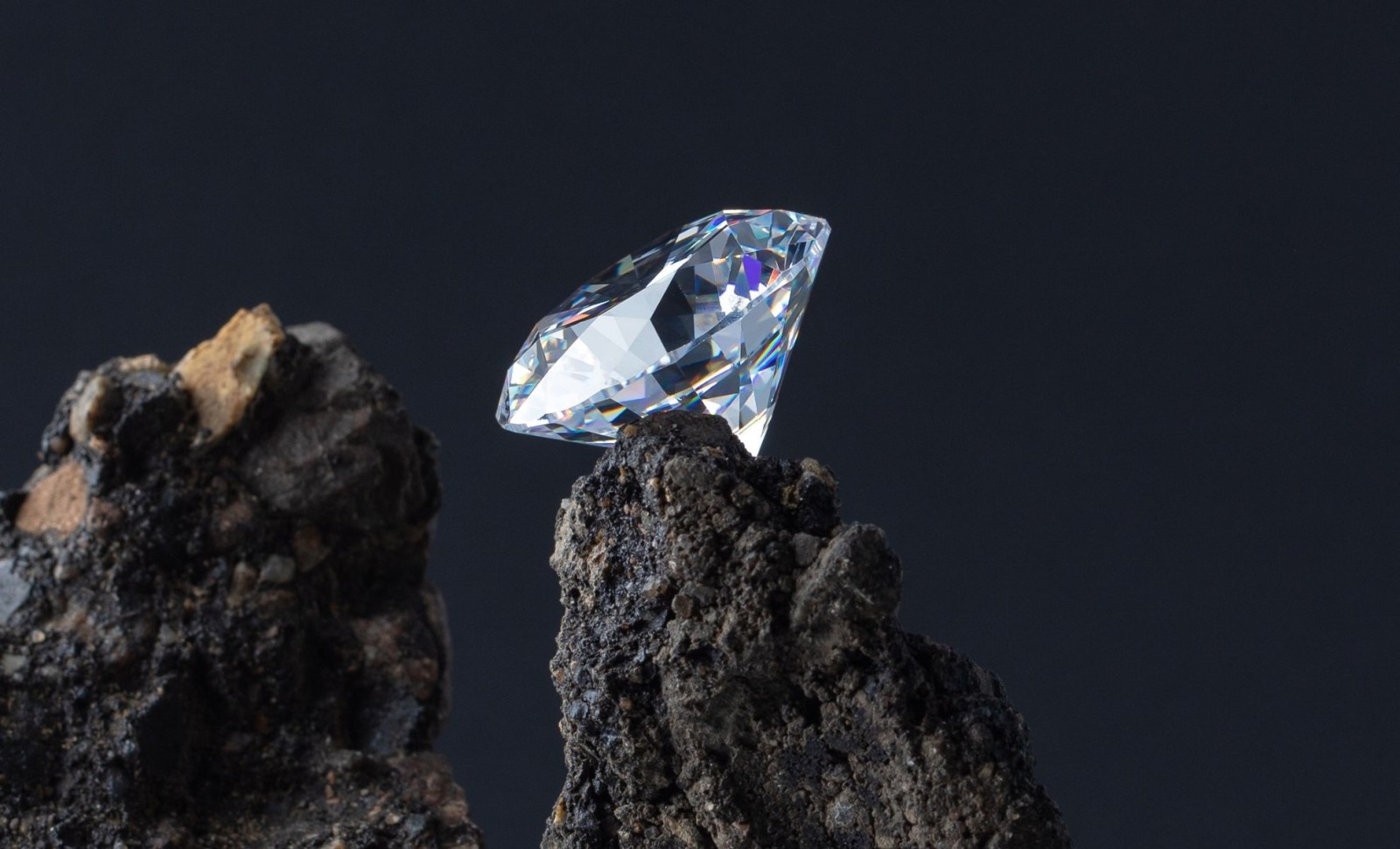
While making an unplanned stop to celebrate a birthday in southwestern Arkansas, an Oklahoma family uncovered a remarkable treasure: a 2.79-carat brown diamond. This extraordinary gem was found on September 13 at Crater of Diamonds State Park, one of the rare locations globally where visitors can search for natural diamonds still embedded in their volcanic origin.
A Surprise Birthday Adventure Leads to a Precious Gem
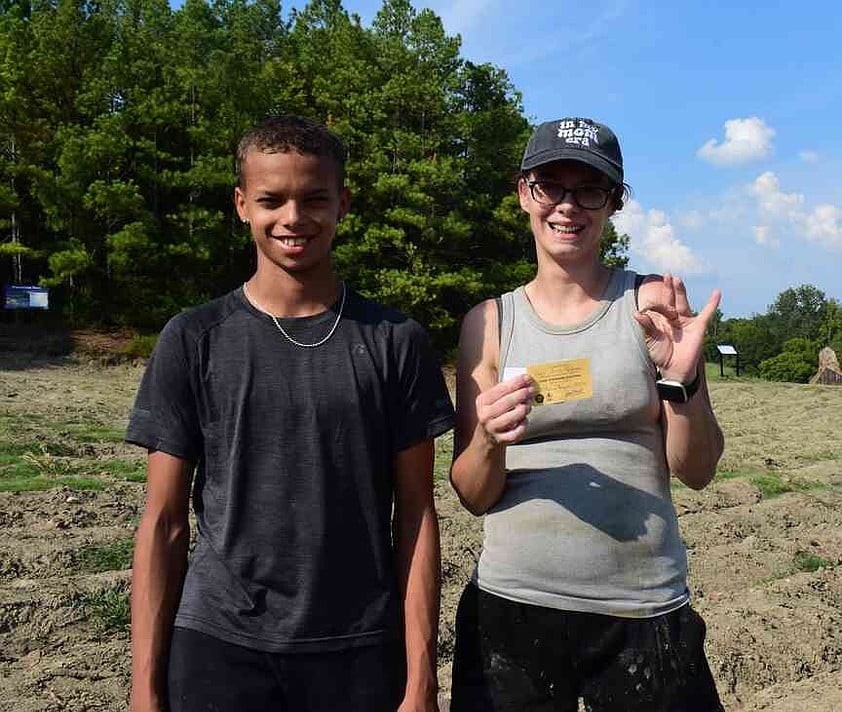
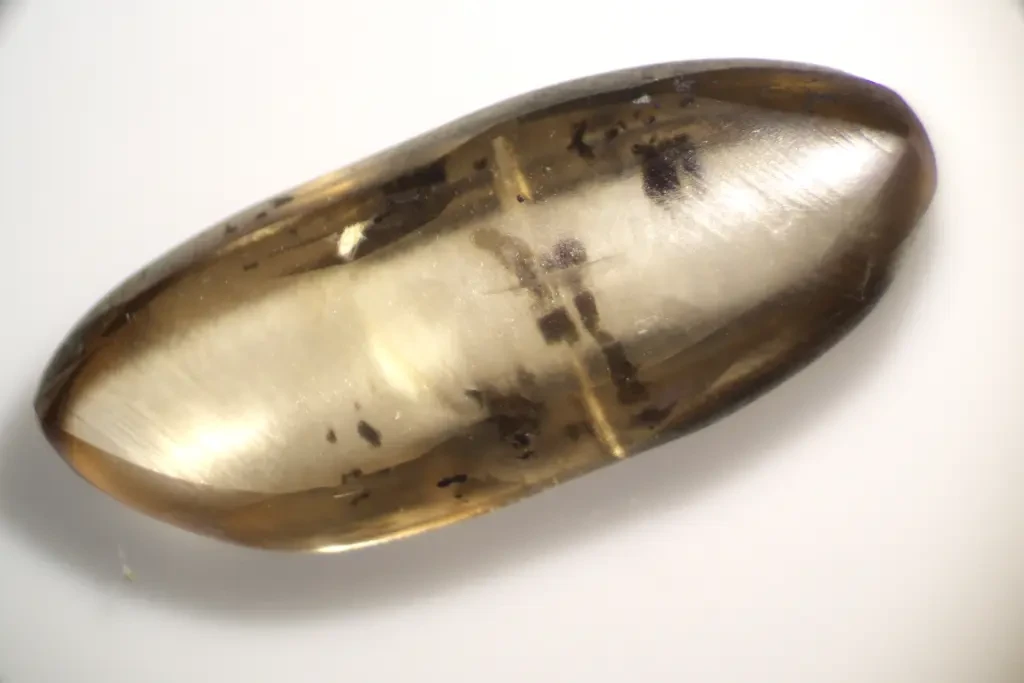
The family decided on a spontaneous visit to the park as part of their nephew William’s birthday outing. Near the Prospector Trailhead on the northern edge of the site, they employed simple tools including screens and a beach play set purchased from a dollar store. After sifting through several buckets of soil, they spotted a glossy, elongated stone that stood out. Experts at the park’s Diamond Discovery Center authenticated the find as a 2.79-carat diamond. The family chose to name it the William Diamond to honor the young boy’s birthday inspiration.
“I honestly thought it was too big to be a diamond!” said Raynae Madison, as reported in a press release, recalling the moment they realized what they had found.
Add Cosmo Herald as a Preferred Source

Though impressive in size, the diamond’s market value remains undetermined. Like many rough stones found here, its price relies on factors such as clarity, potential outcome after cutting, and current market trends.
The Intriguing Nature of Brown Diamonds
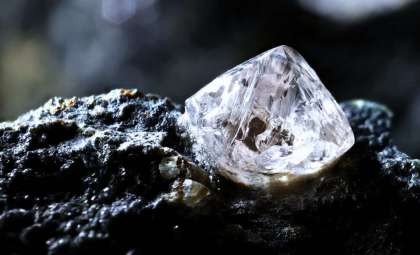
Park officials described the stone as a rich chocolate brown color, containing distinctive internal features called inclusions. These natural formations allow gem experts to understand how the diamond developed and traveled from deep earth layers to the surface. These inclusions typically consist of mineral particles or tiny voids formed alongside the host crystal. Emma O’Neal, Park Interpreter at Crater of Diamonds State Park, explains:
“Brown diamonds from the Crater occur due to a process called plastic deformation, which creates structural defects during a diamond’s formation or movement in magma, These defects reflect red and green light, combining to make the diamond appear brown.”
Such deformation layers can also produce pink or other color variations, depending on the arrangement and type of imperfections involved.
What Makes This Arkansas Site Unique?
The park follows a “finders keepers” rule, letting anyone keep the gems they unearth. Covering 37.5 acres of volcanic soil, the area is regularly tilled to uncover fresh material. Visitors try different methods such as surface searching, dry, or wet sifting using simple gear.
Positioned atop the Prairie Creek volcanic pipe, this geological site formed during the Cretaceous period through a violent volcanic eruption. This ancient eruption propelled rocks from the Earth’s mantle to the surface via a vertical volcanic conduit called a diatreme.
Millions of years of erosion have exposed weathered volcanic rock — specifically lamproite, a mantle-derived igneous rock capable of transporting rare diamonds. As this rock crumbled, diamonds became mixed into the loose soil, making them accessible for discovery.
“2025 has been a great year for large diamond finds!” said O’Neal. “So far, we have registered four diamonds weighing over two-carats.”
Only a small percentage of diamonds survive their journey from the deep mantle to the surface unscathed, so finds like this are relatively rare. The public access to such a scientifically and touristically significant site adds immense value to the experience.
- Categories:
- News








0 comments
Sign in to Comment