
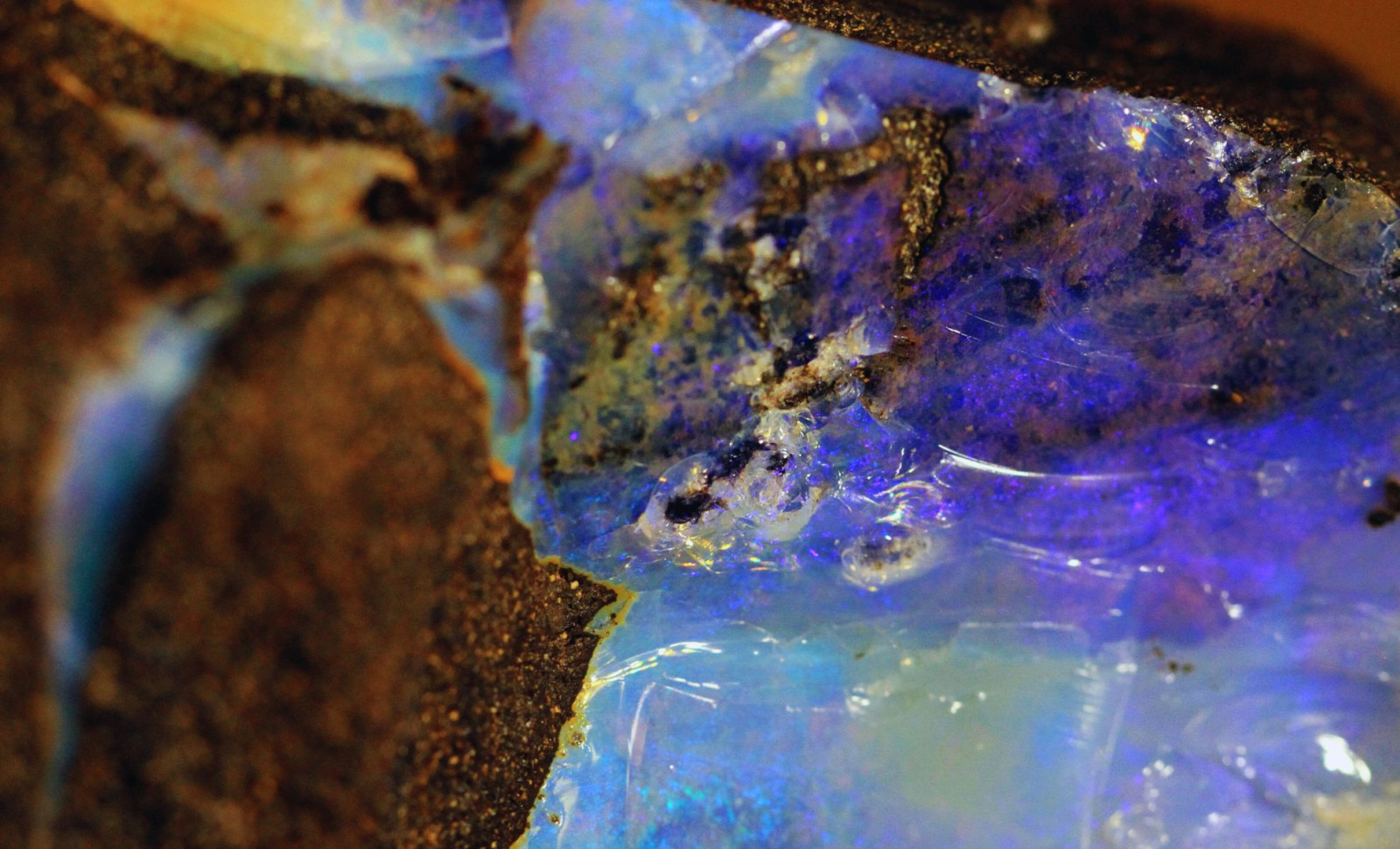
Perched nearly 10,000 feet above sea level, villagers in northern Ethiopia have stumbled upon a vein of pure black opal nestled within tunnels excavated by hand. This discovery, located in the remote Wollo Province, is gaining recognition for the remarkable quality of these gemstones.
What makes this finding extraordinary is not only the gem’s naturally dark hue but also the fact that it emerges from modest, artisanal mining rather than large-scale industrial extraction. As global demand grows for untreated black opals, stones from this Ethiopian locale are increasingly valued in international markets and gemological laboratories.
A Naturally Dark and Robust Gem
Stayish black opals stand apart from other Ethiopian varieties. Dr. Lore Kiefert, chief gemologist at Gübelin Gem Lab, notes these gems possess a dark body color consistent throughout the stone, unlike those darkened superficially through treatments. Using X-ray fluorescence, her team detected barium concentrations up to 1,000 ppm, confirming the unique geological fingerprint of these opals.

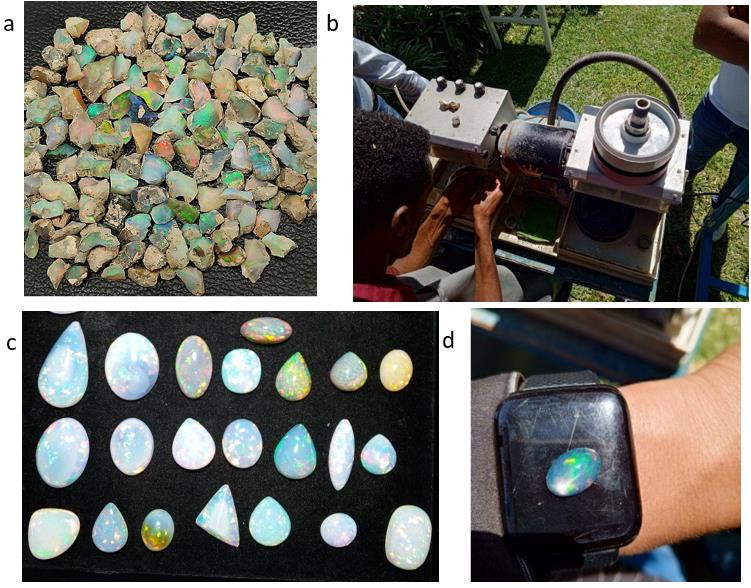
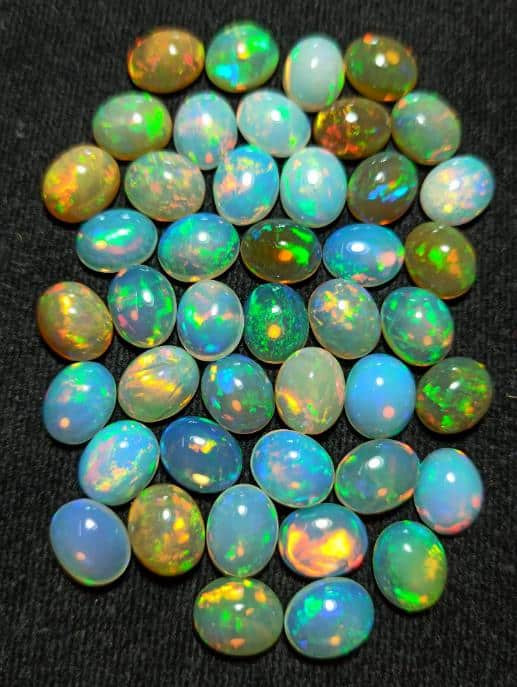
Unlike the porous hydrophane white opals from Wegel Tena that absorb moisture, the Stayish black opals maintain their integrity when worn, resisting water damage. Their surfaces stay pristine without the staining linked to smoke or sugar-acid treatments. Cross-sectional views reveal alternating black and gray bands encircling vibrant patches, typical of high-quality play-of-color opals.
Manual Labor Yields Precious Finds
Mining here is a fully artisanal pursuit. Families painstakingly excavate tunnels by hand, using pickaxes to follow the clay layers, hauling rock one bucket at a time. As reported by Earth.com, miners switch to fine chisels and water when color flashes appear in the rock to ensure the gems remain intact during extraction.
The tunnels, often with low ceilings supported by wooden braces set by experience, require intense manual effort. Without the aid of machinery, miners alternate between farming during the rainy season and mining in drier months, creating a seasonal rhythm. A single opal piece can help fund education or agricultural tools in this highland community.
Challenges in the Gem Market
The surge in demand for Ethiopian black opals has led to confusion regarding authenticity and treatments. As detailed in a GIA report, many hydrophane opals undergo treatments such as smoke exposure, dyes, or sugar-acid processes to mimic black opals, although their structural properties differ significantly.
The authentic Stayish opals, however, feature an innate dark tone throughout and minimal water absorption. Consequently, buyers increasingly rely on laboratory testing and clear provenance to verify treatment history and confirm the genuine nature of these prized gems.
- Categories:
- News












0 comments
Sign in to Comment