
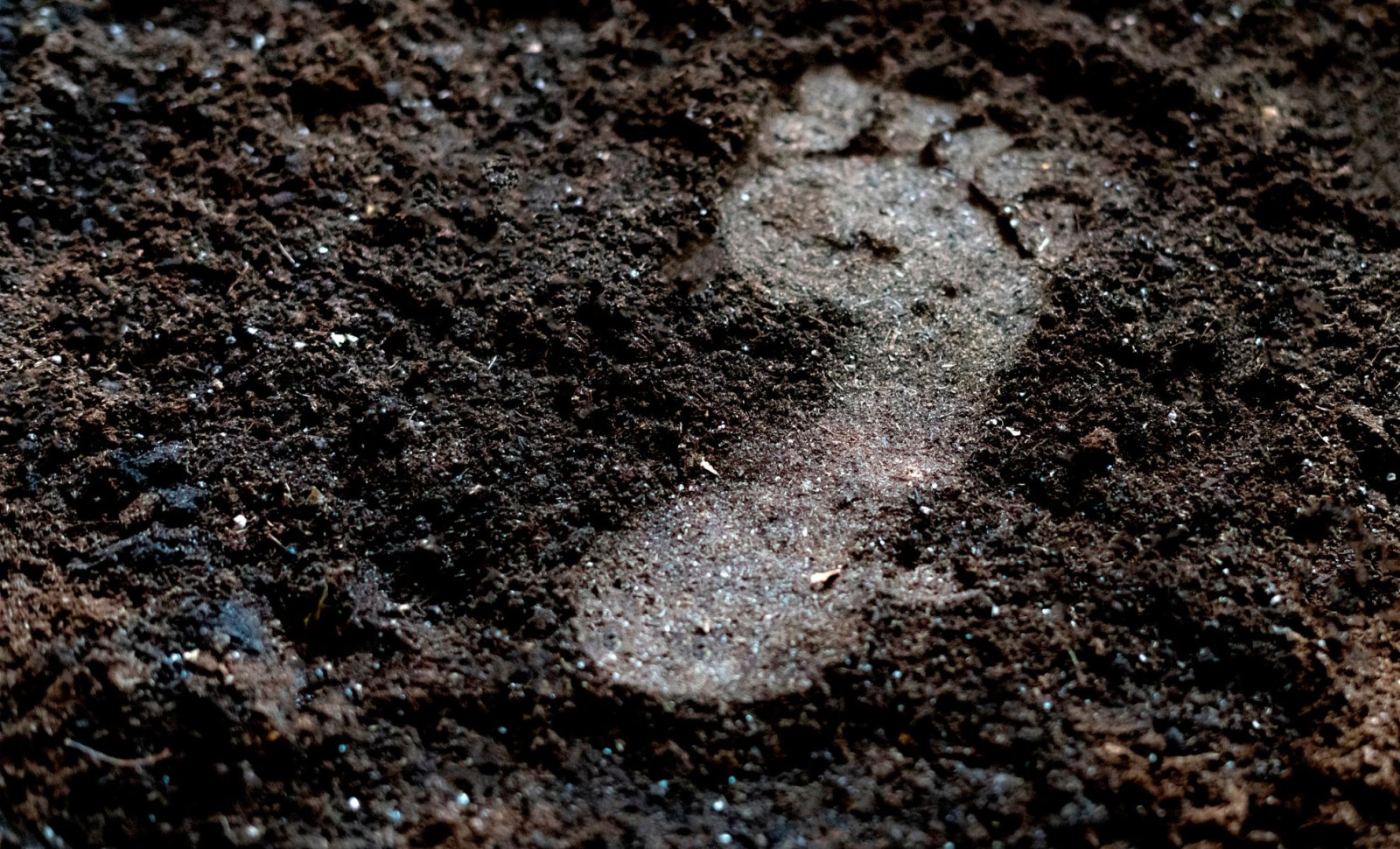
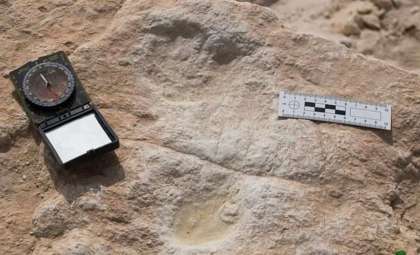
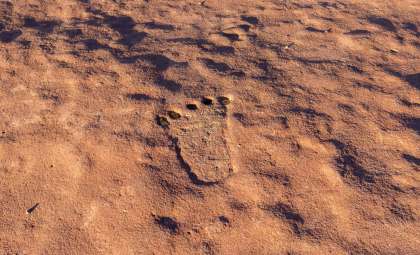
Unearthed tracks in White Sands, New Mexico, are prompting scientists to rethink when humans first settled in North America. These footprints, locked in prehistoric mud, date back to the Last Glacial Maximum, approximately 23,000 years ago, far predating the established Clovis-first timeline.
For many years, the Clovis culture, associated with stone tools discovered near Clovis, New Mexico, has stood as the earliest confirmed human presence on the continent. This theory suggests humans migrated over the Bering Land Bridge from Siberia to Alaska around 13,000 years ago. Yet, these newfound footprints from White Sands suggest that people may have arrived much earlier.
Breakthrough Discoveries at White Sands
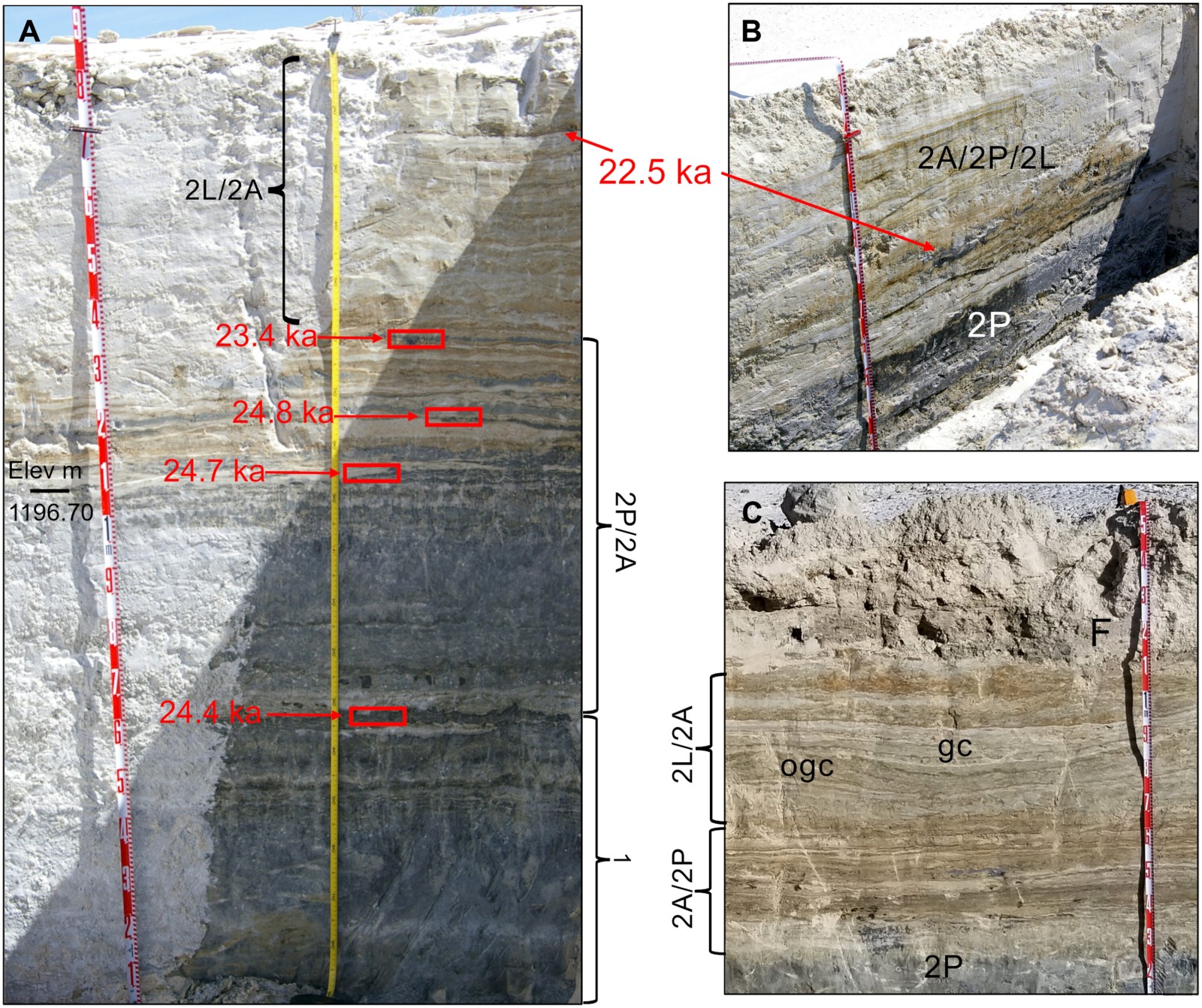
The footprints were found in an ancient lakebed in New Mexico, a site that historically had a much wetter climate. Analysis indicates these human tracks were made between 20,700 and 22,400 years ago, based on radiocarbon dating of seeds, pollen, and sediment enclosing the prints.

This research, featured in the journal Science Advances, was led by Vance Holliday, an archaeologist and geologist from the University of Arizona. Multiple testing laboratories independently confirmed the dating results, strengthening the credibility of the timeline.
Holliday emphasizes the strength of this data as a “remarkably solid record,” that challenges dismissal of the findings.
“You get to the point where it’s really hard to explain all this away,” he said. “As I say in the paper, it would be serendipity in the extreme to have all these dates giving you a consistent picture that’s in error.”

Rethinking the Clovis-First Paradigm
The long-accepted Clovis-first paradigm held that humans first entered North America around 13,000 years ago near the end of the last Ice Age, moving southward as the initial settlers. These early populations were credited as the originators of the Clovis culture.
“I really had no doubt from the outset because the dating we had was already consistent,” Holliday remarked. “We have direct data from the field – and a lot of it now,”
This discovery opens the door to the idea that humans may have arrived in North America much earlier, possibly using different migration paths or adapting to distinct climatic conditions.
The Mystery of Missing Artifacts
While the footprints offer direct proof of ancient human presence, no tools or other cultural artifacts have surfaced nearby. Holliday posits that the transient lifestyle of the footprint makers could explain this absence. Since the prints were likely made over a brief interval, there might not have been enough time to leave behind material traces.
“These people live by their artifacts, and they were far away from where they can get replacement material. They’re not just randomly dropping artifacts. It’s not logical to me that you’re going to see a debris field.”
Despite the lack of physical artifacts, the footprints remain powerful evidence of early human activity dating back thousands of years.
- Categories:
- News










0 comments
Sign in to Comment