
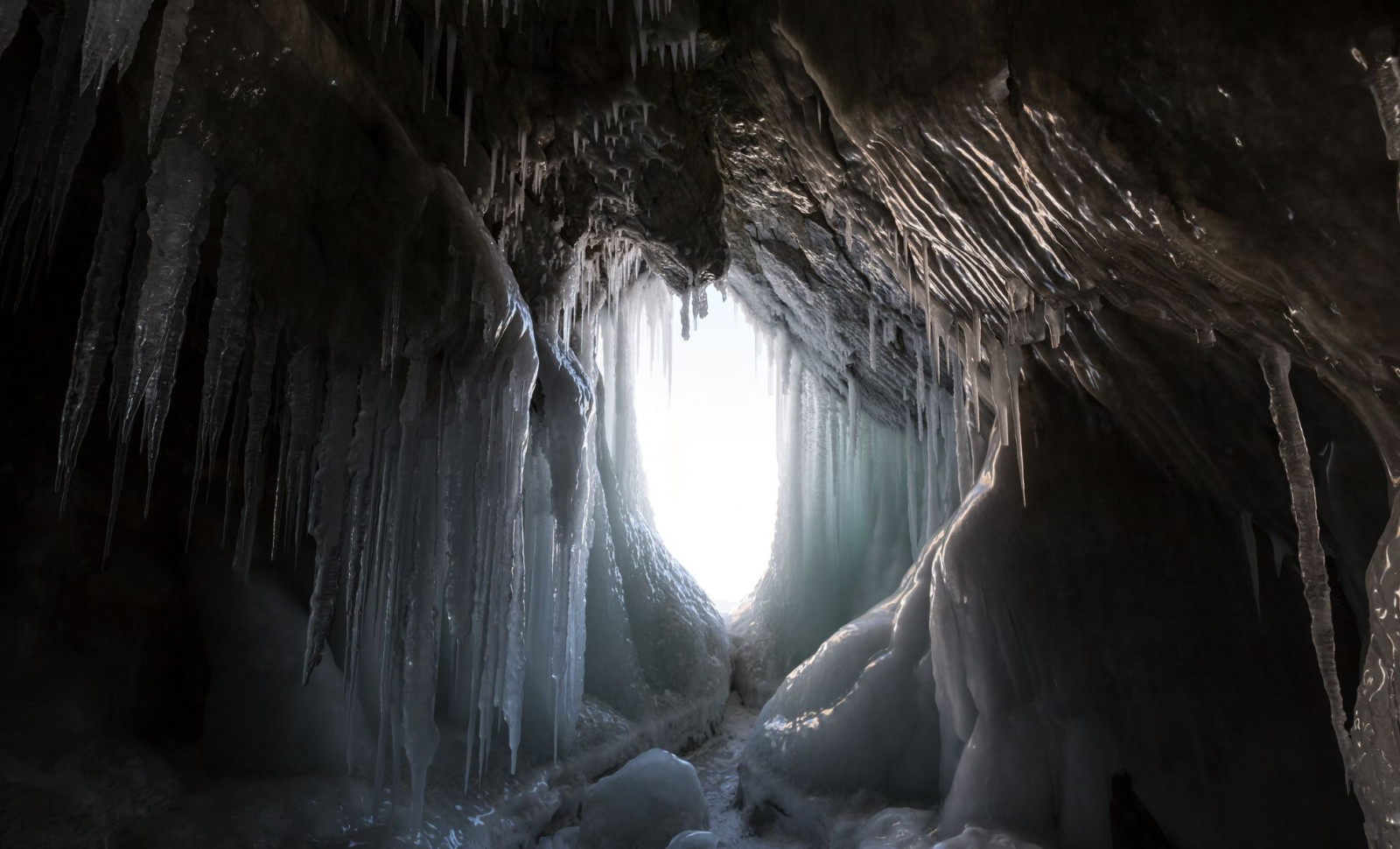
A bacterial species discovered frozen within 5,000-year-old ice in Romania's Scărișoara Ice Cave exhibits resistance to a broad spectrum of modern antibiotics while demonstrating the ability to suppress dangerous drug-resistant pathogens.
Antibiotic resistance is responsible for over a million deaths globally each year. Although commonly viewed as a recent problem driven by antibiotic misuse, this phenomenon reflects a long-standing evolutionary contest among microorganisms.
The recent research led by scientists at the Institute of Biology Bucharest (IBB) of the Romanian Academy highlights how icy environments may preserve microbial characteristics that could offer new therapeutic avenues or complicate existing public health efforts.

Extracting a 25-Meter Ice Core Unveils a Vast Genetic Defense
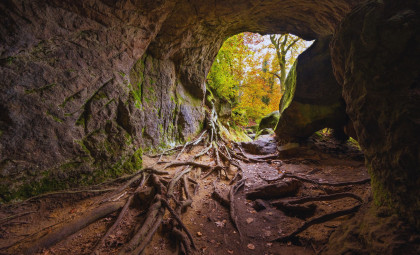
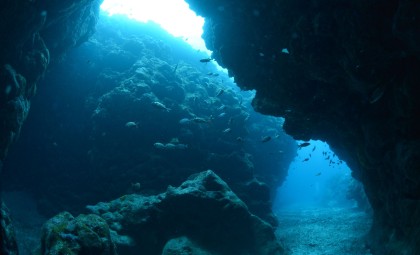
To access these ancient microbes, the team extracted a 25-meter-long ice core from the Great Hall section of Scărișoara Ice Cave, home to one of the planet’s largest and oldest underground ice formations.
Following isolation of bacterial strains from the ice, the researchers conducted genomic analyses to pinpoint genes linked to cold survival and antimicrobial activity. Reported in Frontiers in Microbiology, the bacterium, identified as Psychrobacter SC65A.3, possesses over 100 genes associated with antibiotic resistance.
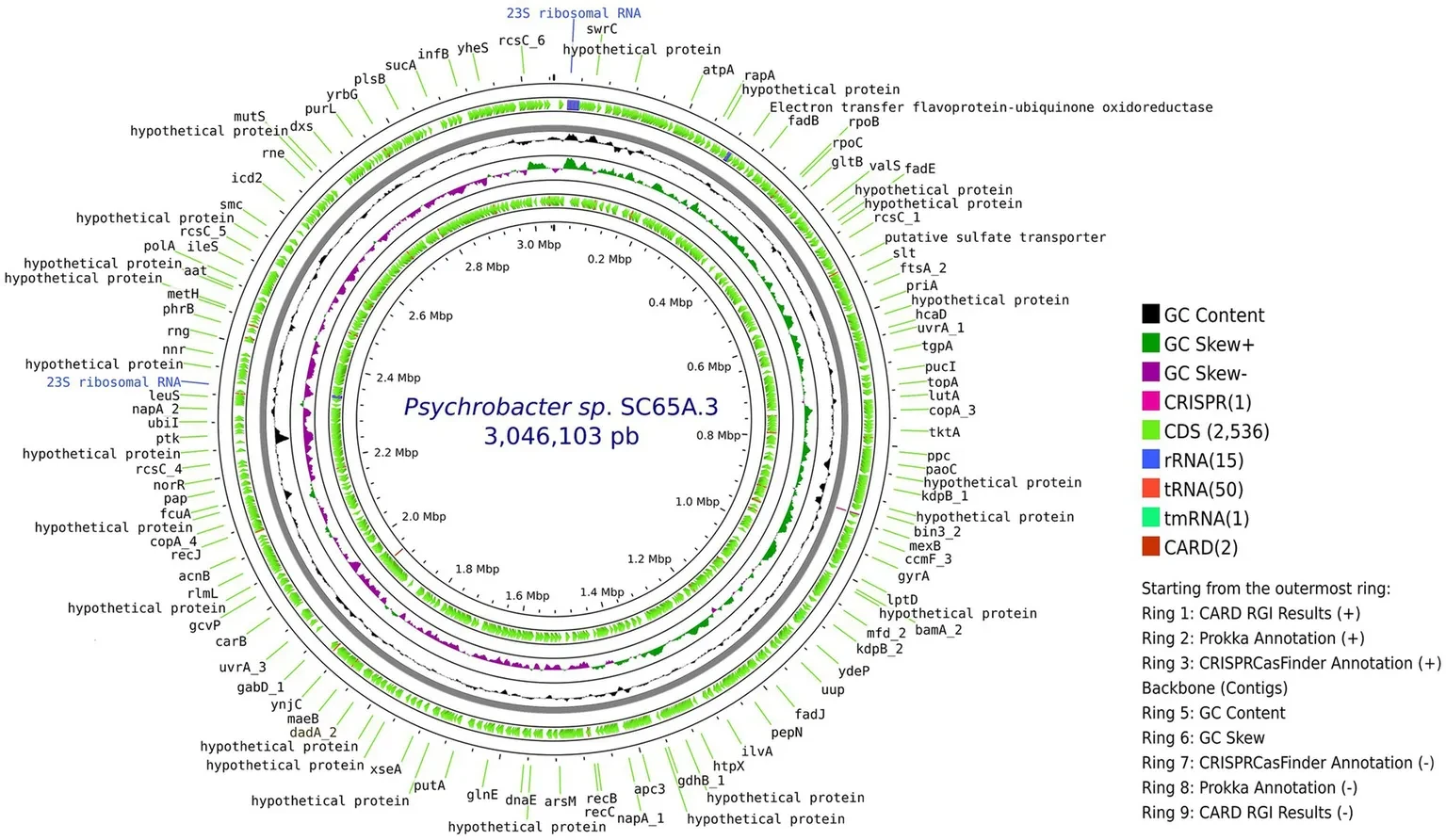
Despite its millennia-long freeze, this microbe resisted multiple common antibiotics used against infections of the lungs, skin, bloodstream, and more. Microbiologist Cristina Purcarea described the findings as:
the strain “shows resistance to multiple modern antibiotics and carries over 100 resistance-related genes.”
A Microbe with the Power to Combat Superbugs
But the story doesn't end with antibiotic resistance. Laboratory experiments revealed that Psychrobacter SC65A.3 can actively inhibit several major antibiotic-resistant “superbugs.” The research team noted:
” it can also inhibit the growth of several major antibiotic-resistant ‘superbugs’ and showed important enzymatic activities with important biotechnological potential.”
Members of the Psychrobacter genus are well adapted to extreme cold environments, which fosters genetic variation and specialization. Purcarea emphasized that this strain produces distinctive enzymes and antimicrobial agents with promising applications in antibiotic discovery and industry.
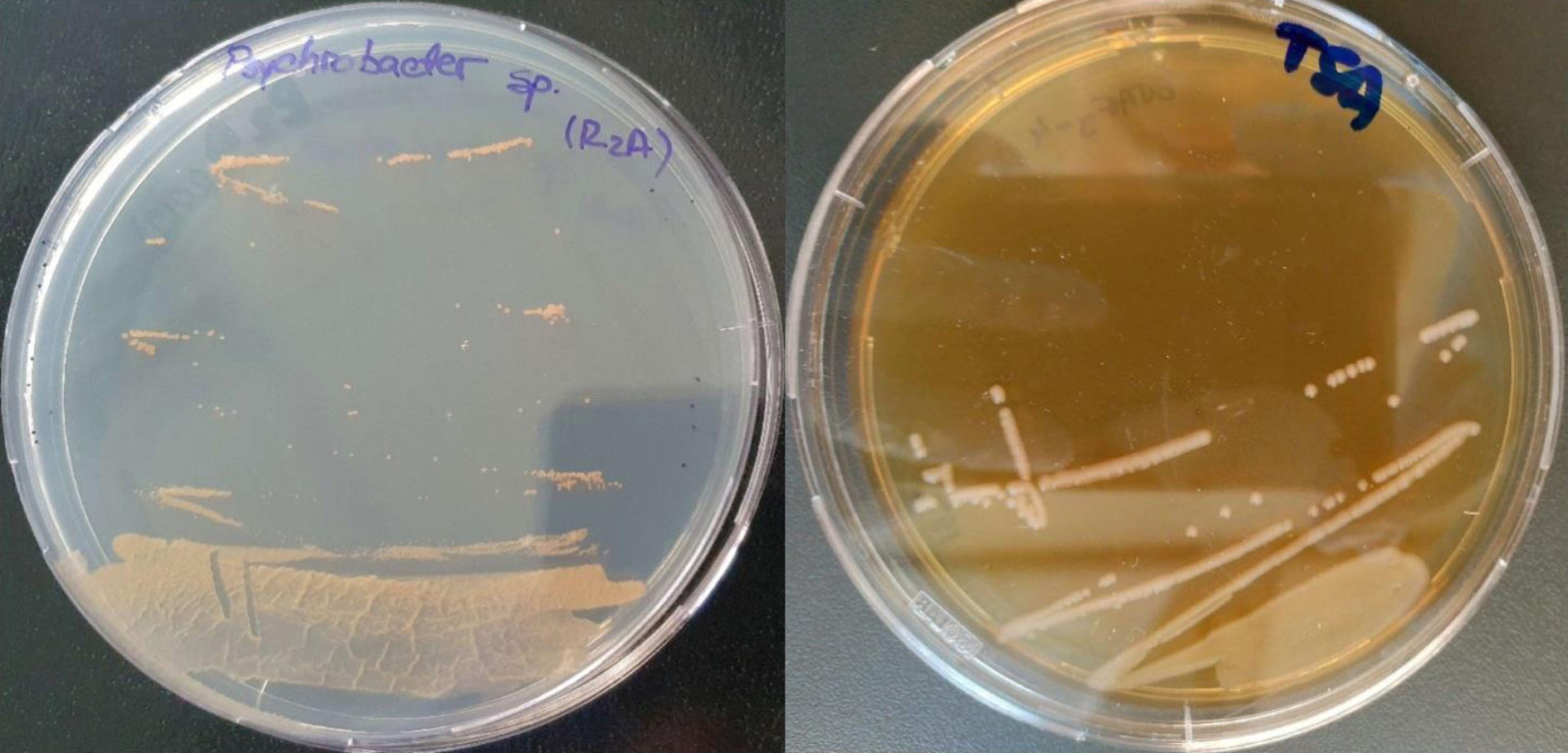
This remarkable combination of resisting antibiotics and creating antimicrobial compounds makes this bacterium a unique subject representing both potential risk and opportunity.
Activation of Dormant Resistance Genes
The research also raises broader ecological concerns. Frozen habitats might act as long-term reservoirs for resistance genes preserved over thousands of years under stable conditions.
“If melting ice releases these microbes, these genes could spread to modern bacteria, adding to the global challenge of antibiotic resistance,” explained Purcarea.
The spread or genetic exchange of resistance markers from ancient strains like Psychrobacter SC65A.3 to contemporary bacteria could exacerbate the worldwide antibiotic resistance crisis.
- Categories:
- Science


0 comments
Sign in to Comment