
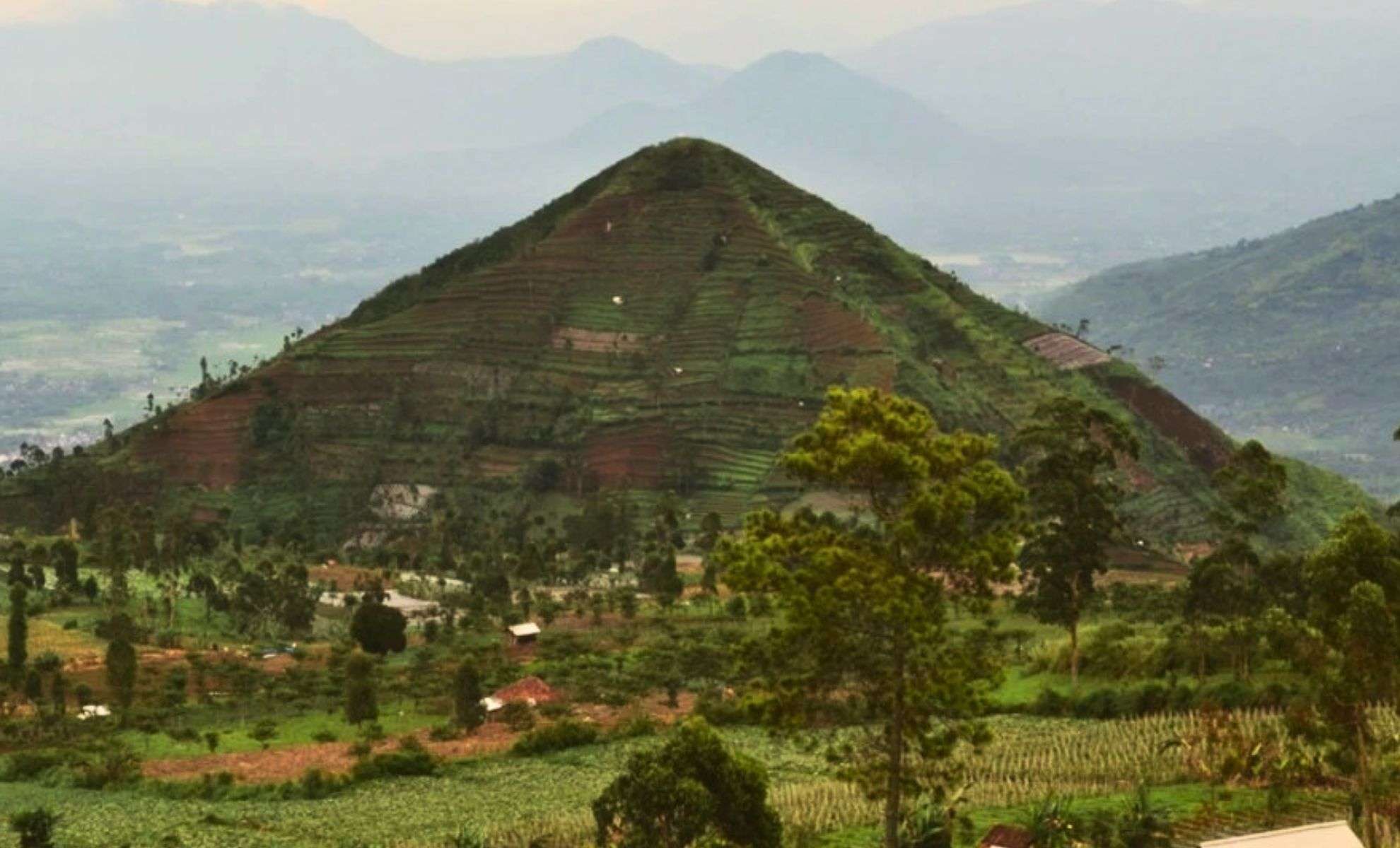
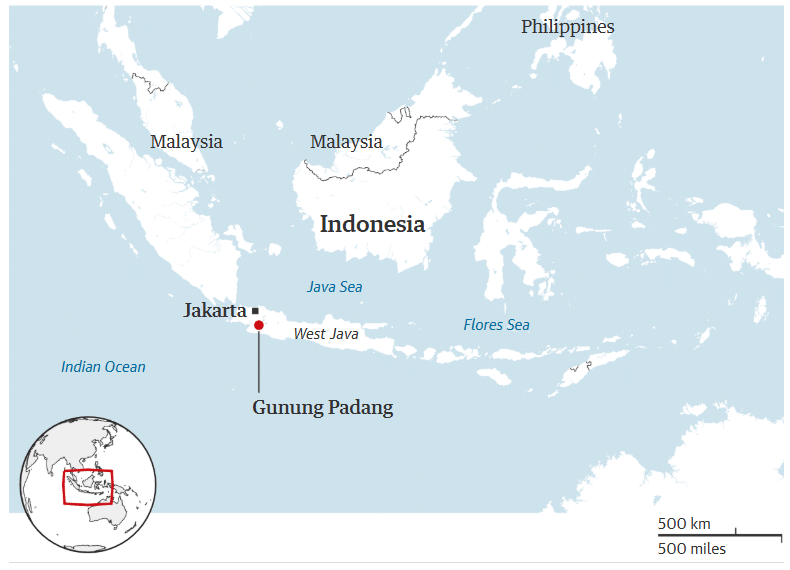
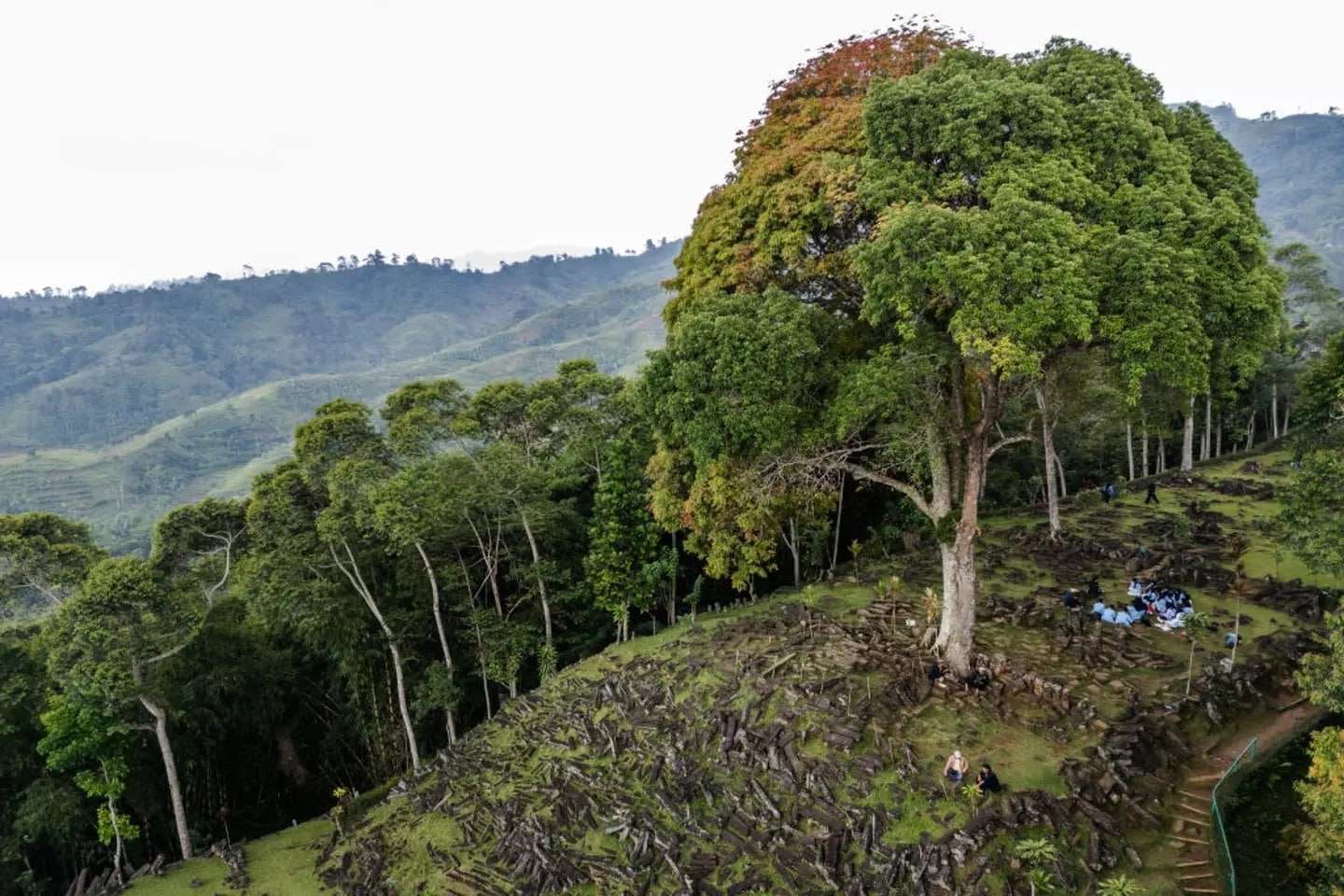
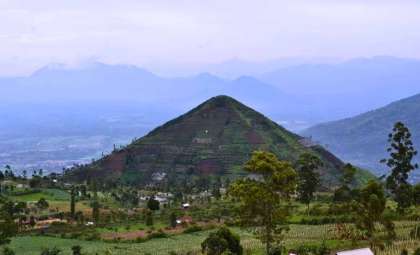
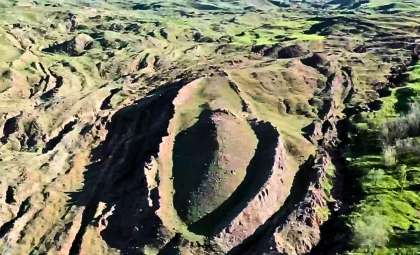
Perched at nearly 3,000 feet above sea level in the mist-covered highlands of West Java, Indonesia, lies a fascinating series of stone terraces cloaked in moss, known locally as Gunung Padang, or the "Mountain of Enlightenment." For centuries, it has been cherished as a sacred location where rituals and communal activities take place.
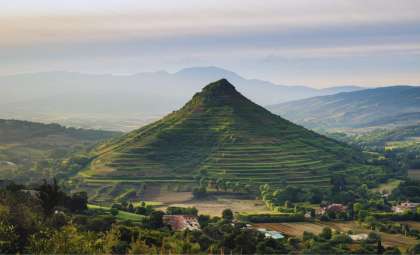
In late 2023, Gunung Padang captured international attention following a study published in the peer-reviewed journal Archaeological Prospection. The research suggested that beneath the visible terraces there might be a complex, multi-layered pyramid-like structure dating back an astonishing 25,000 years—significantly predating the development of agriculture or established civilizations.
A discovery of this magnitude would dramatically alter our understanding of early human history. However, the claim quickly met with widespread skepticism. By February 2024, after numerous critiques citing insufficient evidence and methodological flaws, the journal formally retracted the paper, emphasizing that there was no reliable proof the underground formations were manmade.

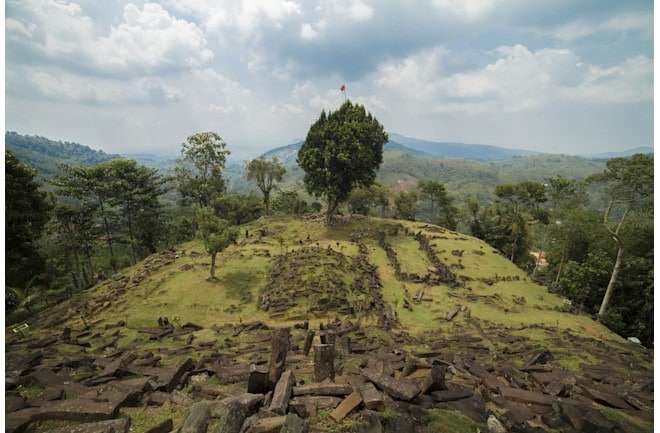
This controversy has reignited discussions about scientific standards in archaeology and the openness of the field to potentially revolutionary discoveries.
The 25,000-Year-Old Puzzle
Leading the now-discredited research was Danny Hilman Natawidjaja, a geologist affiliated with Indonesia’s national research and innovation agency (BRIN). His team’s work spanned more than ten years and combined technologies such as ground-penetrating radar (GPR), seismic tomography, and radiocarbon testing on organic soil materials to identify successive construction layers beneath the site.
Their findings suggested the earliest stratum, termed Unit 3, dated to the Paleolithic period, with carbon age estimates ranging between 25,000 and 14,000 BCE. Overlying layers, consisting of visible terraces and standing stones, appeared to originate from between 6000 BCE and 2000 BCE, aligning with recognized Southeast Asian megalithic traditions.
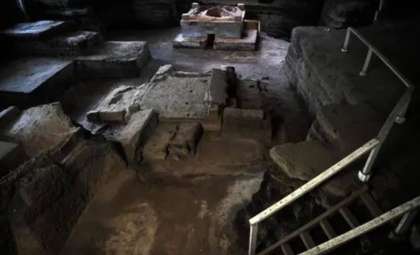
Natawidjaja claimed that the deepest layers exhibited human craftsmanship, citing stacked stones, chamber-like voids, and mortar-like materials among the rocks. If accurate, such features would push the origins of complex construction far back beyond the timeframe of the renowned Göbekli Tepe, the currently oldest known monumental site, dated to around 11,000 years ago.
Widespread Scientific Doubt
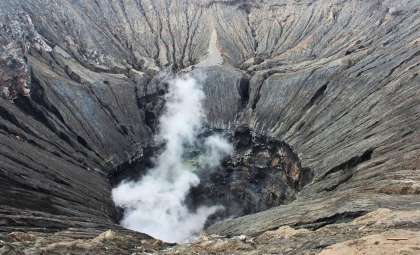
Many specialists in archaeology and geology challenged the conclusions, pointing to the absence of typical markers of ancient human settlements, such as tools, charcoal deposits, or human remains. They emphasized that radiocarbon dating of soil only indicates when organic material was deposited, not when a structure was built. Furthermore, the purported chambers and architectural features could be naturally formed through volcanic activity.
“It would be like sampling soil beneath the Eiffel Tower and declaring the tower itself is prehistoric,” remarked Flint Dibble, an archaeologist from Cardiff University, in an interview with The Guardian. He and other experts warned against conflating natural geological formations with intentional ancient architecture, particularly in volcanic terrains.
The decisive moment arrived when Archaeological Prospection, published by Wiley, formally withdrew the article in early 2024. The editorial board criticized the work as lacking sufficient scientific support and noted that the interpretations of geophysical data did not satisfy the publication’s rigorous standards.
Enduring Controversy
Despite the retraction, Natawidjaja remains an outspoken defender of his research. He has labeled the retraction “a harsh form of censorship” and accused detractors of resisting new historical perspectives. His stance gained backing from alternative history circles, including Graham Hancock, known for the Netflix documentary series Ancient Apocalypse, who was involved as a proofreader during the manuscript’s preparation.
Hancock’s connection, though not as a co-author, heightened academic apprehension. His theory of a lost Ice Age civilization annihilated by global disaster is widely dismissed by mainstream archaeologists. Yet his audience remains large, and that Netflix production helped make Gunung Padang a hotspot for speculation about hidden ancient civilizations and advanced prehistoric societies.
Thus, beyond archaeology, the debate resonates with broader questions about history’s completeness: whether the past is mostly uncovered or still largely hidden beneath layers of earth.
The Importance of Gunung Padang Today
Regardless of its origin or age, Gunung Padang is a significant cultural landmark. It is officially recognized as a national heritage site by Indonesia’s Ministry of Education and Culture, featuring five stone terraces atop a hillside that offers sweeping views of surrounding volcanoes. The visible megalithic elements date back millennia and provide valuable clues about the region’s early religious and cultural expressions.
Even if it does not revolutionize prehistoric timelines, Gunung Padang enriches the understanding of Indonesia’s ancient history. Comparable megalithic sites, such as Lebak Cibedug and Candi Kethek, have yet to be thoroughly explored, meaning much of Indonesia’s prehistoric heritage remains understudied.
At present, the oldest pyramid confirmed by scholars remains Egypt’s Step Pyramid of Djoser, erected circa 2630 BCE. Nevertheless, the enduring fascination with Gunung Padang underscores a collective curiosity about deep time and the mysteries potentially hidden beneath the world’s soils.
- Categories:
- Science








0 comments
Sign in to Comment