
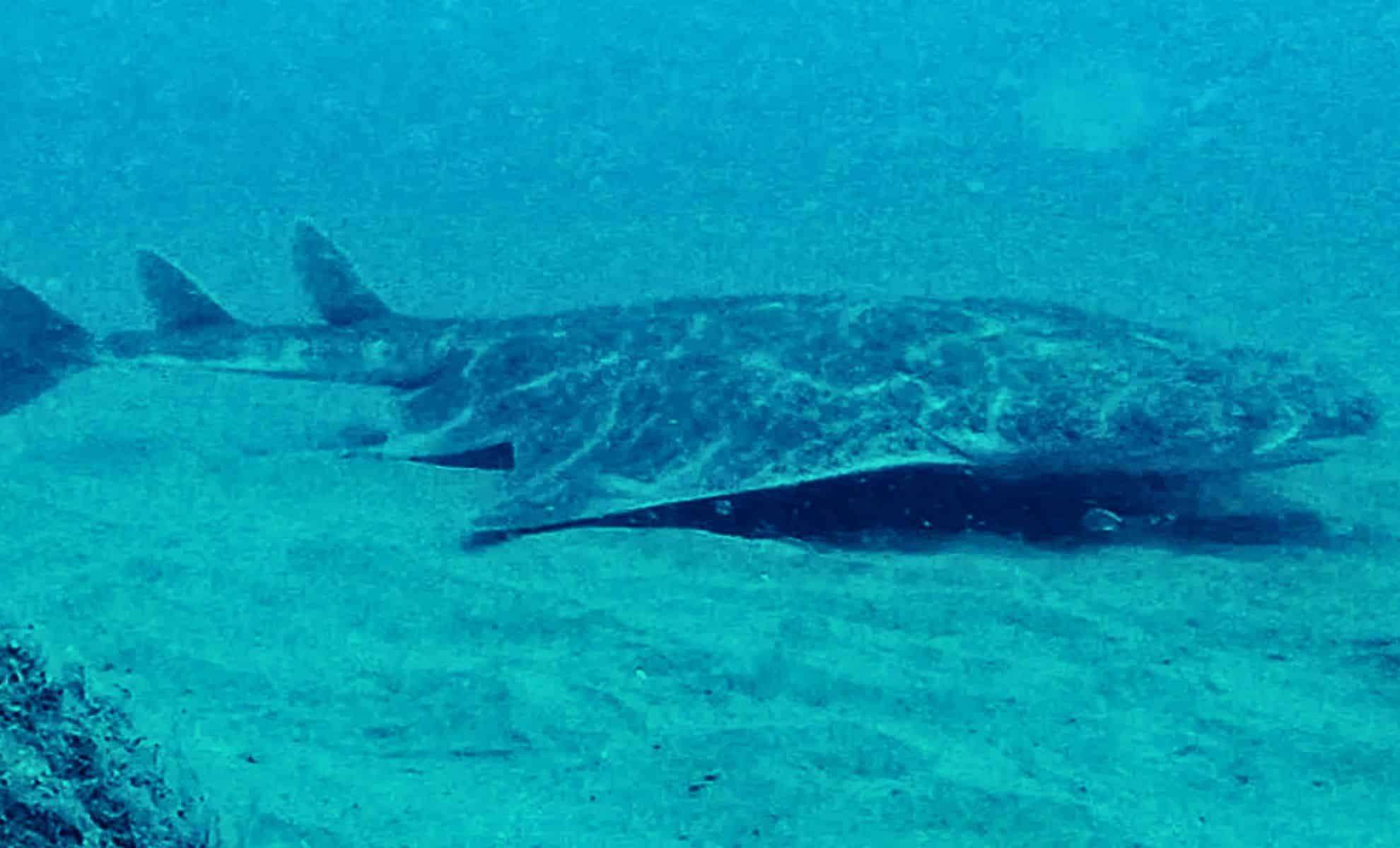
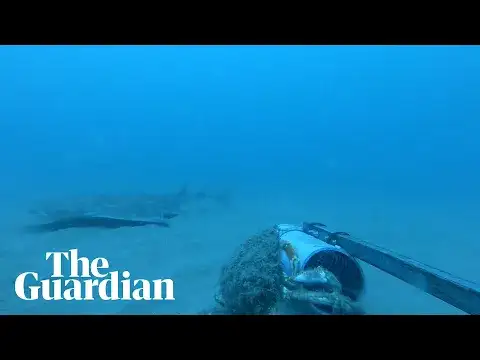
A distinctive and scarcely seen marine species has been spotted again in the seas off Wales: the angel shark (Squatina squatina). This summer, the Wildlife Trust of South and West Wales (WTSWW) captured video evidence of the shark in Cardigan Bay, marking the first official encounter since 2021. The footage, collected through ongoing biodiversity assessments, confirms that this critically endangered species still inhabits UK coastal waters. This discovery comes at an important juncture as authorities are considering enhanced marine conservation measures.
Significance of the Angel Shark’s Rediscovery
This sighting represents the result of persistent scientific effort rather than chance. Through the use of underwater surveillance technology and continuous monitoring programs spearheaded by the WTSWW, researchers are able to document rare appearances and track marine biodiversity patterns in Cardigan Bay. Sarah Perry, head of marine research at the Trust, described the event as "uncommon and thrilling," a sentiment widely shared by conservationists.
The IUCN Red List classifies the angel shark as “critically endangered” largely because of habitat degradation and accidental catches by commercial fisheries. Fishing methods such as bottom trawling, which involves dragging heavy gear along the seabed, have severely damaged the habitats vital for survival of species like the angel shark by stripping essential marine environments.

Evidence presented by the UK Parliament’s Environmental Audit Committee highlights how even designated marine protected zones struggle to prevent harmful fishing practices that continue to threaten ocean ecosystems and undermine conservation efforts.
The Angel Shark’s Fragile Existence
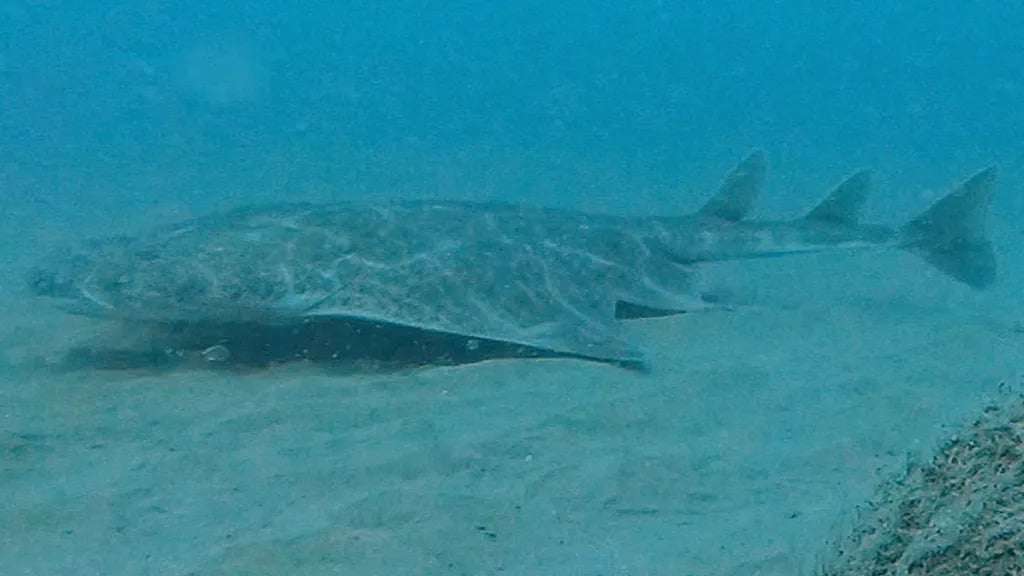
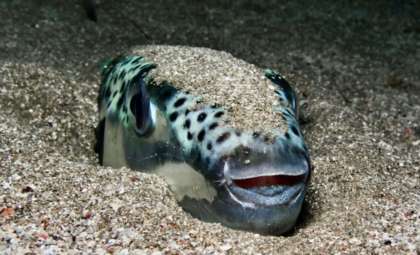
In contrast to larger, more ubiquitous shark species, the angel shark is highly specialized. Its flattened physique and sandy coloration enable it to blend seamlessly with the ocean floor, adopting a sit-and-wait hunting tactic. Although adept at ambush predation, these adaptations make it particularly vulnerable to widespread threats such as seabed trawling and habitat disruption.
The species’ slow reproductive cycle and limited offspring production further complicate recovery efforts. Historical research from the Zoological Society of London reveals population decreases exceeding 80% throughout the eastern Atlantic and Mediterranean regions.
Where effective protection is rigorously applied, like in the Canary Islands, angel shark populations have shown signs of rebound. However, much of their historical habitat remains perilous. Despite over 130 marine protected areas in Wales, gaps and exceptions still permit destructive activities, presenting ongoing risks to the species.
Growing Demand for Enhanced Ocean Safeguards
This recent sighting has intensified discussions concerning enforcement of marine conservation laws. Both the Welsh Parliament and the UK government are contemplating stricter regulations to ban bottom trawling in vulnerable habitats, yet implementing these policies remains challenging. Organizations such as The Wildlife Trusts emphasize that successful recovery hinges on closing existing loopholes that allow industrial fishing and seabed mining to persist in supposedly protected areas.
Increasingly, public opinion and scientific communities are urging policymakers to act decisively. As Sarah Perry emphasized, “This observation comes at a crucial moment.” Lessons from other nations with more robust marine protections demonstrate that effective policy can lead to real ecological improvements alongside economic gains when carefully executed.









0 comments
Sign in to Comment