
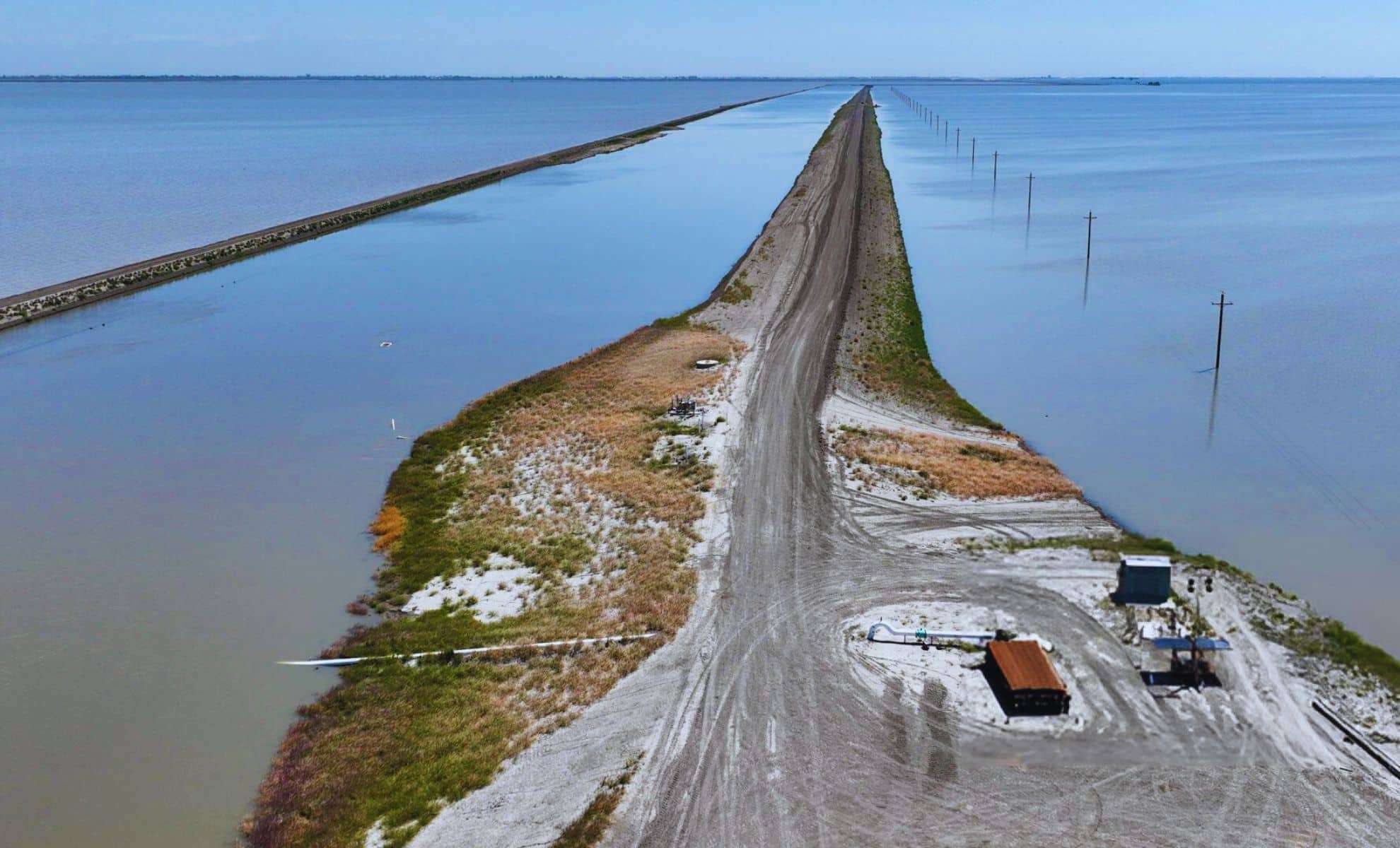
In 2023, Tulare Lake, once celebrated as the largest freshwater lake west of the Mississippi, resurfaced after disappearing for over 130 years. Fueled by extraordinary rainfall and snowmelt, the revitalized lake now covers nearly 94,000 acres of agricultural land in California’s San Joaquin Valley. This remarkable event has sparked widespread discussion about regional water management, ecological restoration, and the stability of local farming.
The Evolution of Tulare Lake
Tulare Lake historically served as an essential ecological hub in California’s San Joaquin Valley. During the 19th century, it supported thriving wildlife populations and underpinned the local economy by providing vital freshwater resources for nearby communities. However, as large-scale irrigation projects expanded, the lake’s natural water supply was redirected, gradually causing its disappearance by the early 1900s.
This shift transformed the surrounding landscape into fertile farmland, where crops like cotton and alfalfa flourished. The loss of Tulare Lake also profoundly affected the indigenous Tachi Yokut community, whose traditional lifestyle depended heavily on the lake’s resources for sustenance and cultural activities.

The Sudden Reemergence of Tulare Lake
Following a series of intense winter storms and melting snow from the Sierra Nevada mountains, Tulare Lake began to refill in 2023, inundating extensive tracts of farmland. While the restored lake does not yet match its historic extent, it has submerged roughly 94,000 acres of cultivated land, primarily planted with pistachios, almonds, and cotton, leading to significant crop and infrastructure losses.
The lake’s revival has piqued environmental interest due to the reestablishment of aquatic habitats, but it has also created major economic challenges for farmers who have invested years developing these fields.
Ecological Gains Versus Environmental Hazards
The return of Tulare Lake has delivered notable environmental benefits, with revitalized wetlands attracting migratory birds such as ducks, geese, and herons that had not been observed in the area for over a century. Additionally, native tule grasses are beginning to flourish along the shoreline, aiding in the ecosystem’s recovery.
Nevertheless, there are risks involved. The flooding has submerged fields laden with fertilizers, pesticides, and other chemicals, raising concerns about contamination and water quality. Moreover, the saturated soils have experienced shifts in salinity and erosion patterns, complicating efforts to restore farmland productivity.
The Consequences for Agriculture
The flooding has had a swift and dramatic effect on farming throughout the region. Key impacts include:
The repercussions extend beyond lost harvests to include damaged farming equipment, irrigation infrastructure, and storage facilities, making recovery a formidable challenge for the local agricultural sector.
Strategies and Prospects Moving Forward
Facing the dual nature of Tulare Lake’s return, experts emphasize the need for innovative solutions that safeguard both environmental progress and agricultural productivity. Some specialists suggest this flooding may be part of larger cyclical cycles influenced by increasingly volatile weather patterns, possibly intensified by climate change. Planning for such phenomena will be critical.
Potential approaches involve investing in advanced water management infrastructure to mitigate flooding impacts while preserving farmland. Encouraging sustainable farming methods may also help local growers adapt to shifting water availability and weather unpredictability.
Restoring Cultural Connections with Tulare Lake
For the Tachi Yokut tribe, the lake’s reappearance is deeply meaningful, representing a chance to reconnect with ancestral territory after generations of change. This resurgence may inspire renewed efforts to combine environmental restoration with cultural preservation.
Local officials see the event as a call to action for integrated land and water stewardship. Striking a balance between agricultural activity, ecological restoration, and cultural heritage will be vital to maintaining the region’s environmental health and economic vitality over time.
- Categories:
- News ,
- Climate change ,
- Nature









0 comments
Sign in to Comment