

Researchers have gained remarkable insights into early life stages of our extinct Neanderthal cousins by analyzing a collection of tiny bones and teeth. The investigation revealed that a Neanderthal fetus progressed in development similar to that of present-day humans, while two young individuals’ teeth exhibited evidence of possible metabolic challenges.
These fossils were initially discovered in the 1960s and 1970s at Sesselfelsgrotte, a cave located in Bavaria. Due to their small size, their Neanderthal identity was not confirmed until the 1990s. After decades stored in a museum in Erlangen, Germany, the specimens were recently examined using advanced CT scanning techniques.
Featured in Royal Society Open Science, the study focuses on what is likely an unborn Neanderthal and two juvenile molars dated between 50,000 to 75,000 years ago. Given that fewer than ten Neanderthal fetuses and infants have ever been identified, these remains present a rare opportunity to investigate development in this species before and shortly after birth.

Neanderthal Development in the Womb
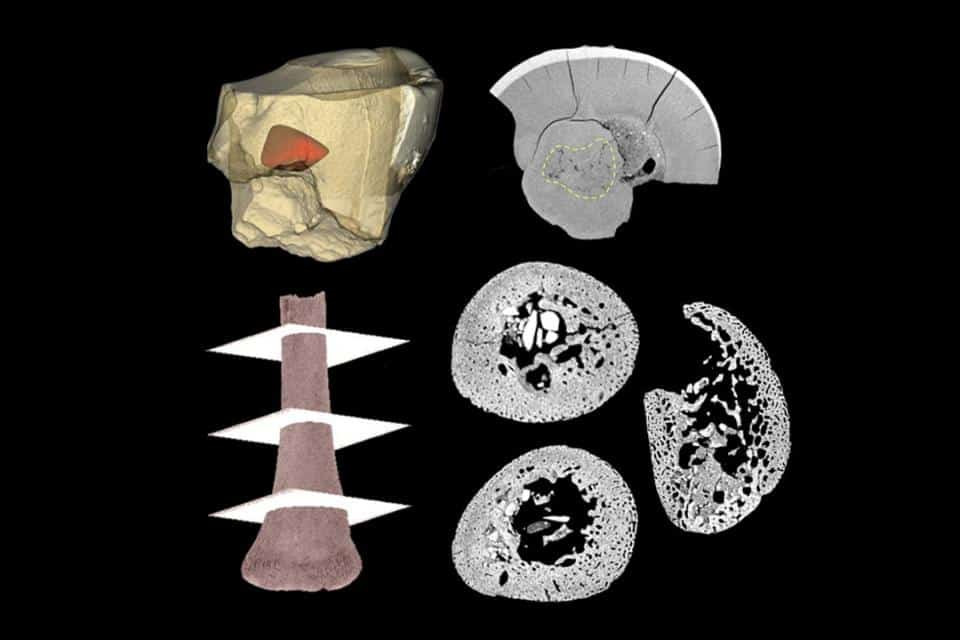
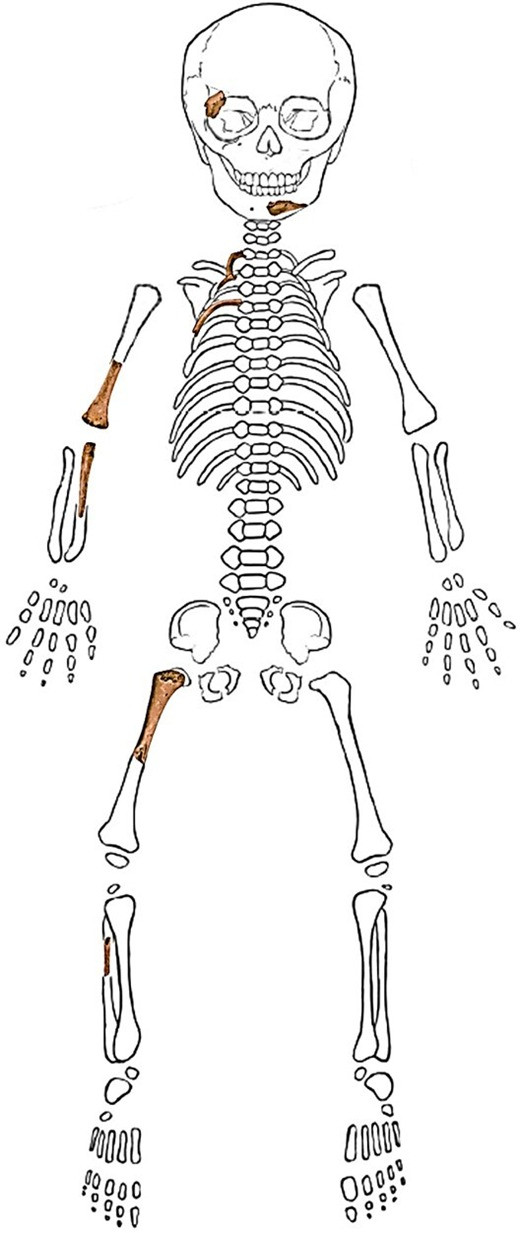
The latest research details how scientists analyzed twelve tiny bone fragments—parts of the femur, humerus, ribs, jaw, and skull—attributed to a fetus nearing full term, around eight to nine months of gestation.
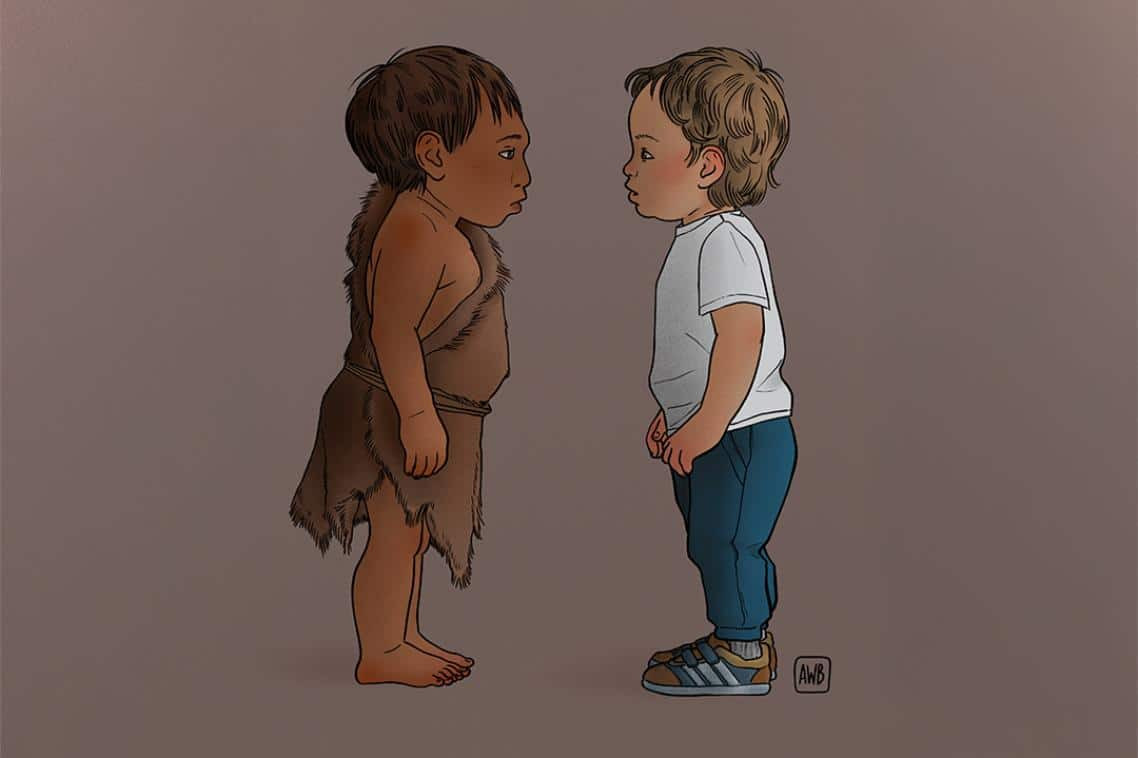
Imaging revealed rapidly growing bones filled with numerous blood vessels, typical for this stage of development. This growth pattern closely mirrored that seen in human fetuses today.
One minor distinction was that certain sections of the femur and humerus seemed slightly more mature than in a modern human fetus at the same stage. Nonetheless, the overall findings highlight a strong similarity in prenatal growth between Neanderthals and modern humans.
Lead researcher Justyna Miszkiewicz commented in a University of Queensland press release:
“These tiny remnants provide an incredible glimpse into our human evolutionary history,” she said. “It’s important to understand where we came from and the ways in which we’re similar.”
Infant Teeth Reveal Early Life Stress
The study also investigated two baby molars believed to come from two distinct Neanderthal youngsters. The scans uncovered small zones within the teeth that had not fully mineralized during their growth phase.
These areas, identified as interglobular dentine, are defects associated with disturbances in calcium metabolism. According to the researchers, this could be due to vitamin D scarcity, calcium deficiency, or impaired calcium absorption during development.
Co-author Ricardo Miguel Godinho noted that while these defects suggest metabolic stress, the precise cause remains uncertain based on current evidence.
Since Neanderthal baby teeth begin forming during the third trimester and continue developing until roughly two years old, the researchers concluded these dental imperfections record a period of physiological strain during early life, though they cannot pinpoint when exactly this happened.
Valuable Fossils Shed New Light on Neanderthal Development
Neanderthal prenatal and infant remains are among the rarest finds in paleoanthropology, with fewer than ten specimens documented worldwide. This makes the Sesselfelsgrotte fossils particularly significant.
Moreover, these individuals rank among the youngest Neanderthals ever recorded. The team emphasizes that Neanderthals coexisted with modern humans for approximately 5,000 years before disappearing from the fossil record.
“These tiny remnants provide an incredible glimpse into our human evolutionary history,” said Dr.Miszkiewicz. “It’s important to understand where we came from, and the ways in which we’re similar.”
- Categories:
- Science






0 comments
Sign in to Comment