
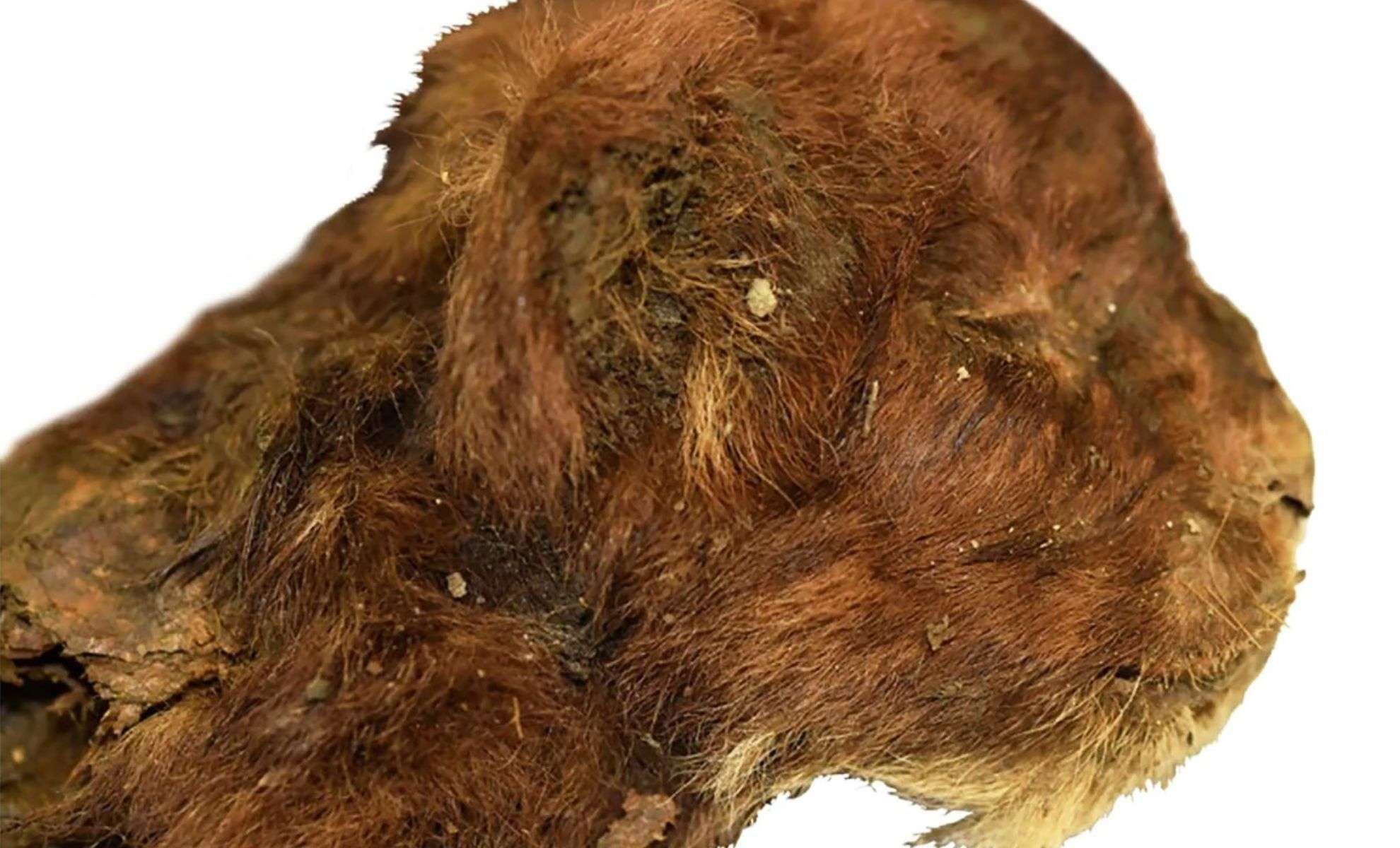
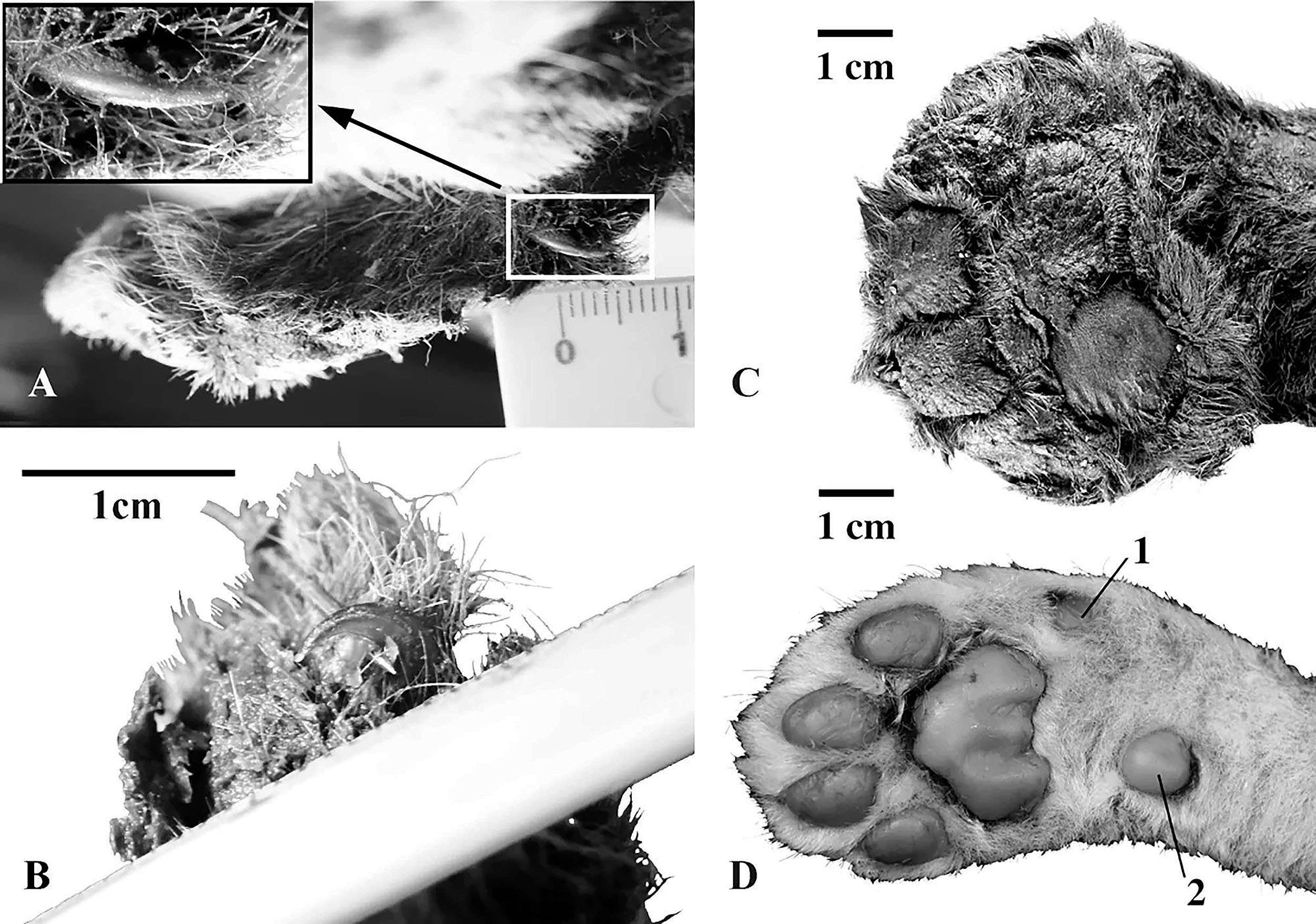
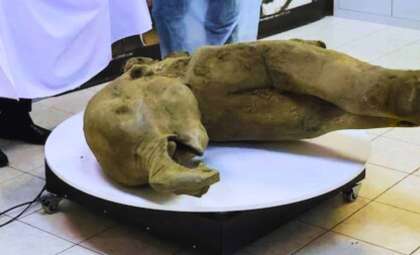
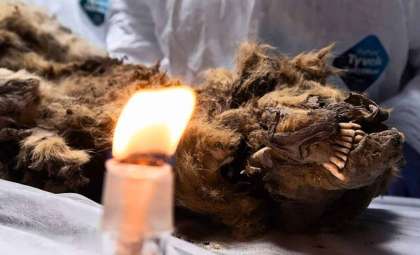
A baby saber-toothed cat, astonishingly preserved with its fur intact along with clearly visible paw pads and whisker patterns, has been uncovered in Siberia. Dating back approximately 35,000 to 37,000 years, this rare find provides valuable insight into the existence of this extinct Ice Age carnivore.
Authored by a team led by Russian scientists, this is the first mummified Homotherium latidens ever found in Asia. Due to freezing conditions in the permafrost, researchers were able to examine its internal anatomy through scanning techniques, avoiding any need for invasive procedures.
Insight Into an Ice Age Juvenile Predator
The discovery by the Borissiak Paleontological Institute of the Russian Academy of Sciences reveals intricate details about this saber-toothed cub at just three weeks old. These predators once inhabited the expansive northern steppes alongside mammoths and bison, adapted for cold, open landscapes.

The cub’s adaptations to its environment are clearly observable from head to toe. It sported dense, short, dark fur ideal for heat retention in frigid climates. Its paws are notably broad and square-shaped, with rounded pads nearly matching their length, traits that, as Earth.com reports, would have aided the cub in traversing snowy terrain without slipping or sinking.
Its ears, placed low and small, helped minimize heat loss, while a surprisingly robust neck suggests well-developed muscles even at a young age. Compared to lion cubs, this specimen had a more robust snout and a bulkier build, highlighting how distinct this ancient species was.
Revealing Internal Anatomy with Advanced Imaging
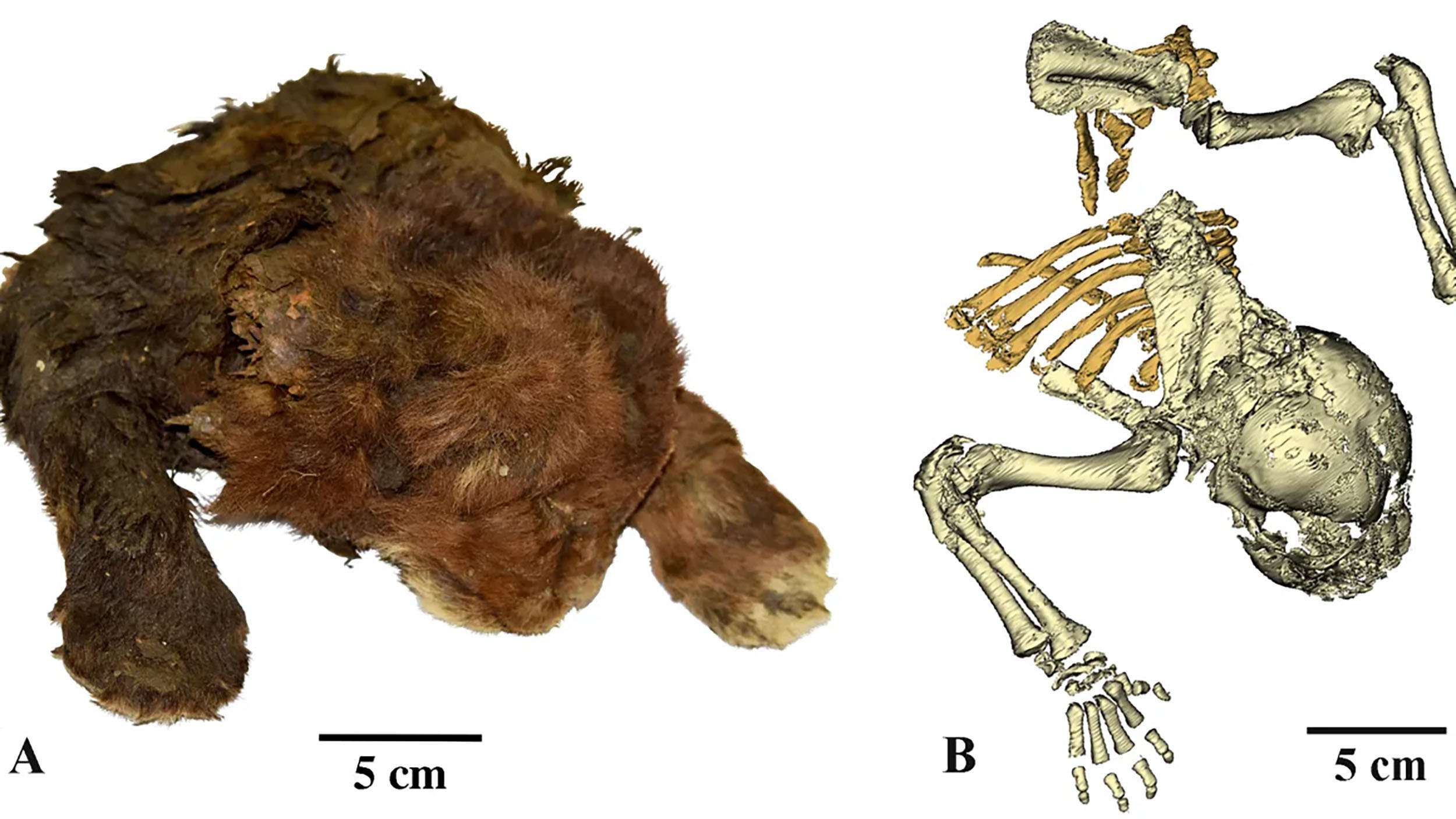
By utilizing clinical CT imaging, scientists reconstructed detailed 3D representations of the cub’s musculature and skeletal framework, observing features indicative of a three-week age, comparable to a lion cub of the same stage.
The scans confirmed that characteristics such as the broad jaws and flared skull were innate from early development, indicating these traits were fundamental to the species. Unlike the ambush-hunting Smilodon, recognized for its elongated saber teeth and robust frame, Homotherium appeared adapted for speed and endurance, with a lighter physique suited to chasing prey across open terrain.
A Rare Glimpse Into Ice Age Wildlife
The extraordinary state of preservation seen in this carnivore is extremely uncommon, making this juvenile cat a highly significant discovery. While Siberian permafrost frequently yields mummified megafauna such as mammoths and woolly rhinoceroses, well-preserved saber-toothed cats remain elusive in the fossil record. This marks the first documented mummified case of Homotherium in Asia, as noted by researchers in related studies.
The findings were published in Scientific Reports, where the soft tissue preservation allows scientists to connect external characteristics with skeletal anatomy, enriching understanding of this species’ physiology and evolution.
Such detailed preservation extends beyond mere visuals, offering deeper insights into the physical configuration and survival strategies of these prehistoric hunters.
- Categories:
- Science






0 comments
Sign in to Comment