
Hidden within the rugged Calabrian mountains, a compelling genetic revelation has emerged from ancient remains: a child conceived from a father-daughter relationship more than 3,700 years ago. This unique DNA evidence represents the earliest documented instance of such kinship in prehistoric Europe.
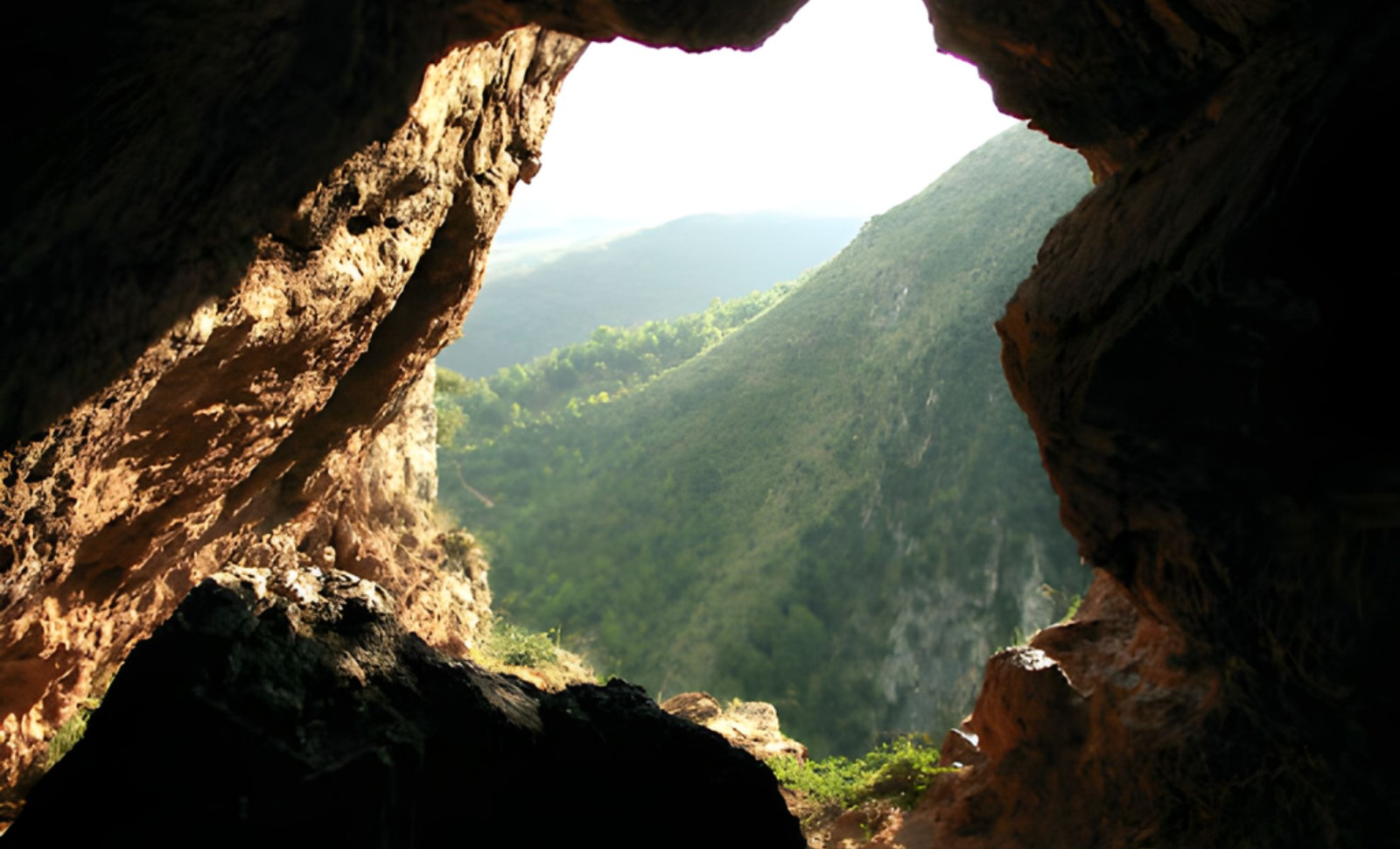
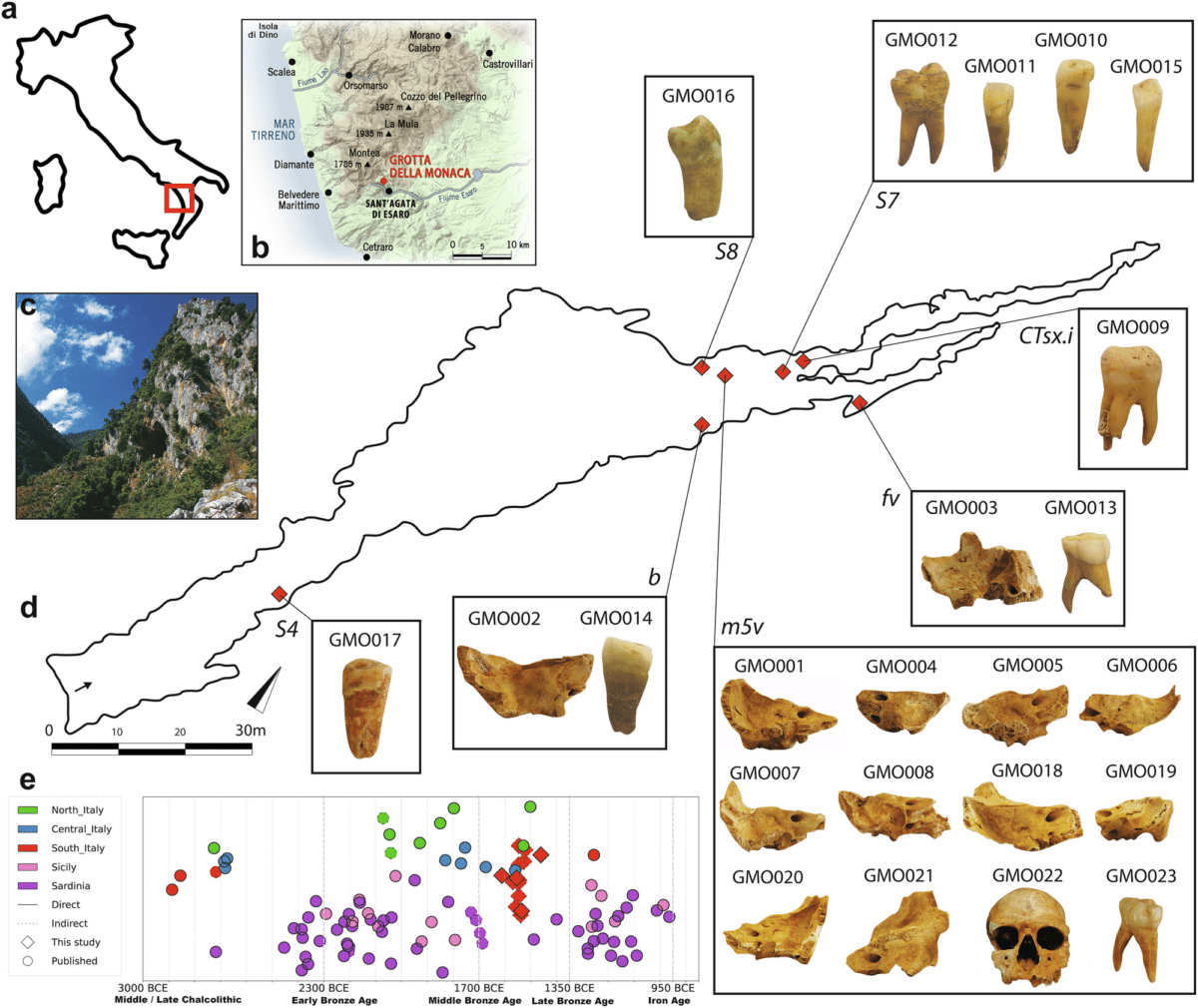
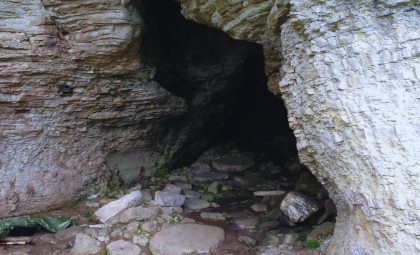
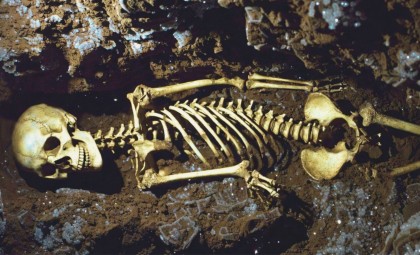
Researchers uncovered these findings at Grotta della Monaca, a burial site located high in the Calabrian range. They examined the disarticulated remains of 23 individuals who lived between 1780 and 1380 BCE, enabling them to reconstruct familial connections and glimpse everyday life within a community long lost to history.
Genetic Clues Uncover a Complex Family History
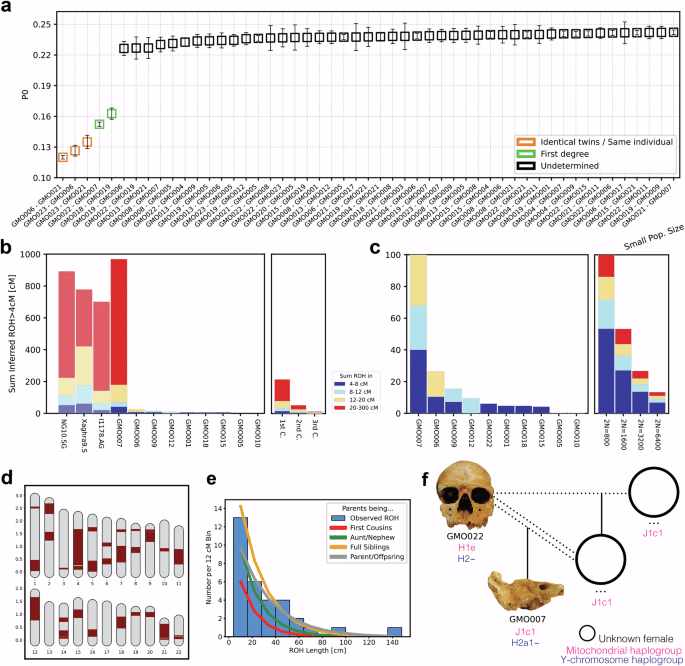
By analyzing shared segments of DNA across individuals from the site, the team detected an unusual genetic pattern in one child’s genome. The extensive identical sequences on both chromosomes indicated a close biological relationship explained only by either a parent-child or sibling pairing.

The genetic data revealed that this child was the offspring of a father and his daughter, a conclusion reached by a research group led by Dr. Francesco Fontani from the University of Bologna. Although the mother's remains were unidentified, the DNA evidence built a clear portrait of this rare kinship.
The study also noted burial patterns suggesting family groupings, with mothers often placed near their children. One section of the cave predominantly contained women and youth, with only a single adult male present.
Linking Calabria with Sicily While Retaining Local Identity
Despite its seclusion, the cave's population was not isolated from wider regional influences.
“Our analysis shows that the Grotta della Monaca population shared stronggeneticaffinities with Early Bronze Age groups from Sicily, yet lacked the eastern Mediterranean influences found among their Sicilian contemporaries,” Fontani explained.
The research, featured in Communications Biology, identified two individuals connected genetically to northeastern Italy. This suggests the movement of people across considerable distances despite difficult landscape, linking this remote group to larger regional interaction networks.
Since caves like Grotta della Monaca were used for burials across many generations, they provide researchers with unique longitudinal insight into how family structures, mobility, and cultural practices evolved through the centuries.
Cultural Adaptation in Diet Despite Genetic Limits
One particularly intriguing discovery came from comparing genetic data with dietary evidence. Although most adults lacked the gene enabling adult lactose tolerance, their skeletal remains showed clear indications of frequent dairy intake.
The community likely coped by transforming milk into yogurt or cheese, reducing its lactose to make it more digestible. According to Dr. Donata Luiselli, a senior author on the study, this is a prime example where cultural innovation preceded genetic adaptation. This prehistoric society demonstrated resilience by herding and exploiting dairy resources even without the genetic advantage for lactose digestion.
“This exceptional case may indicate culturally specific behaviours in this small community, but its significance ultimately remains uncertain,” pointed out Dr. Alissa Mittnik of the Max Planck Institute for Evolutionary Anthropology.
- Categories:
- Science

0 comments
Sign in to Comment