
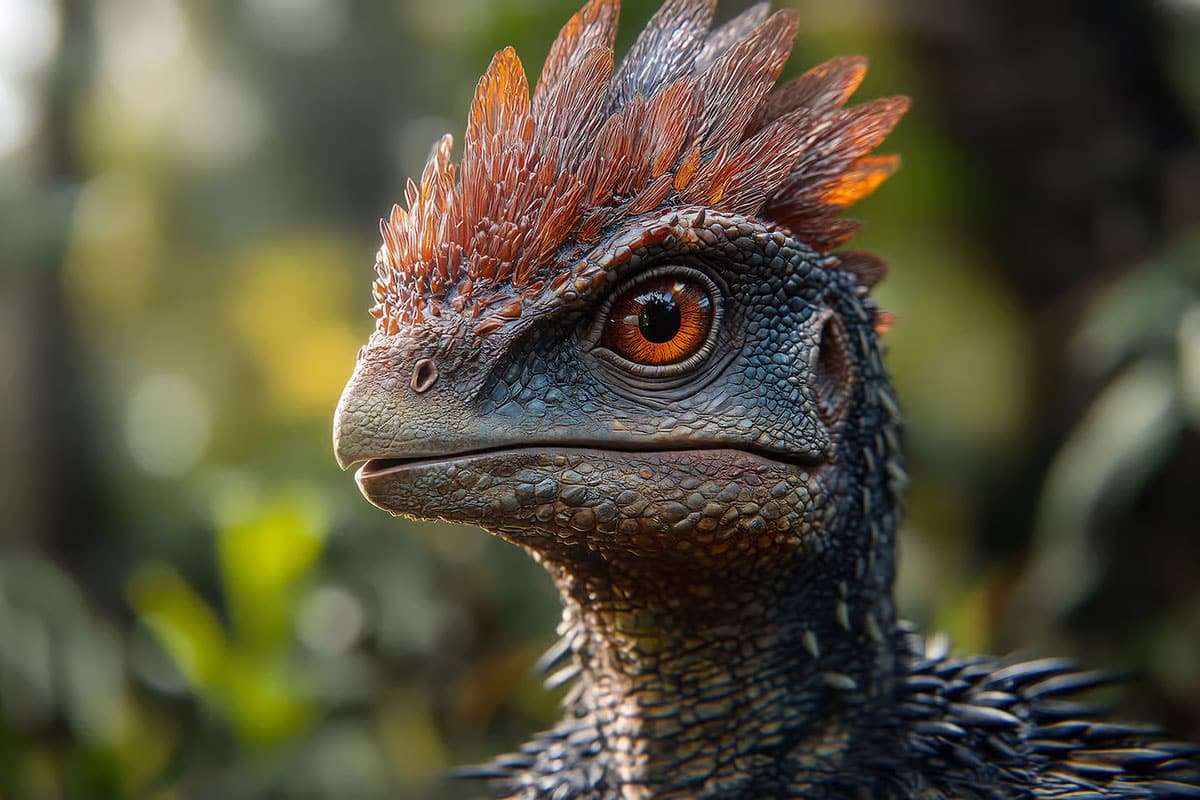
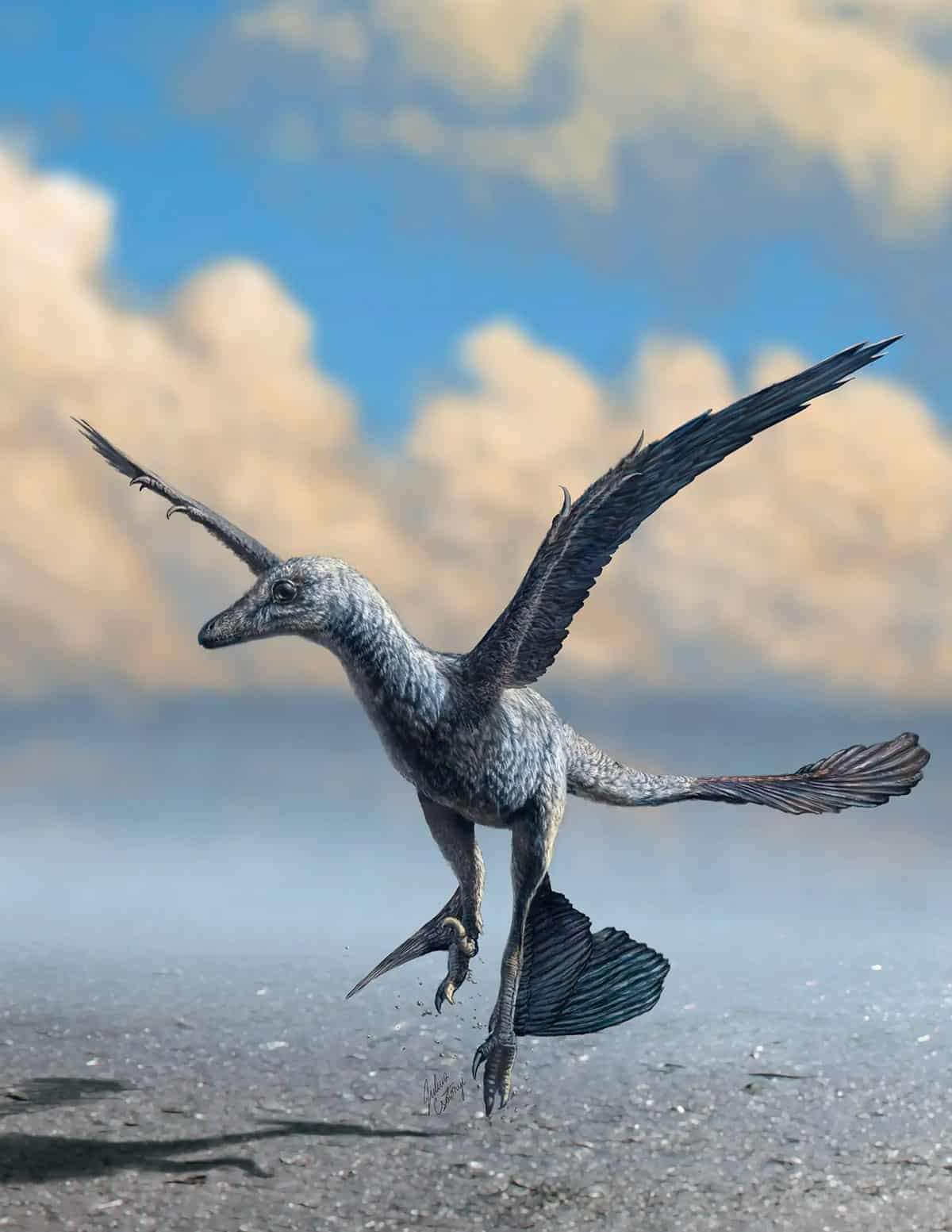
Picture a small, agile raptor using its wings not for flying, but to sprint swiftly across the ground. This remarkable behavior was unveiled by a recent study in the journal Pnas, which analyzed fossilized footprints found in South Korea revealing fascinating details about dinosaur movement.
These prints belong to Dromaeosauriformipes rarus, a feathered, non-avian raptor from about 120 million years ago. Although it had wings, this tiny dinosaur was not adapted for flight. Instead, its wings enhanced its ability to run quickly across the terrain.
The footprints were discovered accidentally during the development of a commercial complex, profoundly changing how scientists view dinosaur locomotion. The stride lengths recorded in the tracks are surprisingly large for an animal weighing only 10 to 20 grams—three times longer than the stride length of an ostrich.

The multiple roles of feathered forelimbs
Feathers and early wing structures appeared well before true flight evolved, dating back about 200 million years to the late Triassic period. Initially, these features served various purposes, including:
- Regulating body heat
- Engaging in mating displays
- Camouflaging within the environment
- And now, as we see, aiding in ground locomotion
This diversity of functions showcases the adaptability of dinosaurs, illustrating how evolutionary pressures repurposed anatomical traits over vast timescales.
Remarkably, this finding resonates with discoveries in other paleontological areas. For example, ancient Amazonian rock art has documented extinct animals long before scientists formally described them, revealing how much prehistoric knowledge remains hidden.
Wing-assisted running: a prehistoric acceleration method
Wing-assisted running is a fascinating concept uncovered by researchers who propose that Dromaeosauriformipes rarus utilized its wings similarly to modern birds flapping during takeoff—to generate additional thrust and lift. This strategy allowed the raptor to reach estimated speeds of 37 km/h (23 mph).
To better grasp this feat, here’s how the raptor’s speed compares with other runners:
SpeciesMax Velocity (km/h)Dromaeosauriformipes rarus37Human (Usain Bolt)44.7Ostrich70
Achieving such speed would have been crucial for catching prey and avoiding predators, underlining how evolution can produce innovative survival mechanisms.
New perspectives on dinosaur variety and research
Identifying wing-assisted running opens the door to re-evaluating dinosaur movement diversity. It motivates paleontologists to revisit fossils and trackways with new hypotheses, potentially identifying other unique locomotive adaptations.
This discovery also emphasizes the value of collaborative efforts spanning biomechanics, geology, and evolutionary biology to build a fuller understanding of prehistoric ecosystems.
It reminds us that hidden finds in archaeology continue to reshape our knowledge—much like a mammoth graveyard unveiling unexpected relics, these raptor footprints add a remarkable chapter to the story of dinosaur movement.
As we delve deeper into Earth’s ancient past, the ingenuity of nature and evolutionary marvels persist in inspiring scientists and enthusiasts alike. The tale of wing-assisted running in these raptors exemplifies the endless mysteries pulp paleontology still holds.
- Categories:
- Evolution













0 comments
Sign in to Comment