
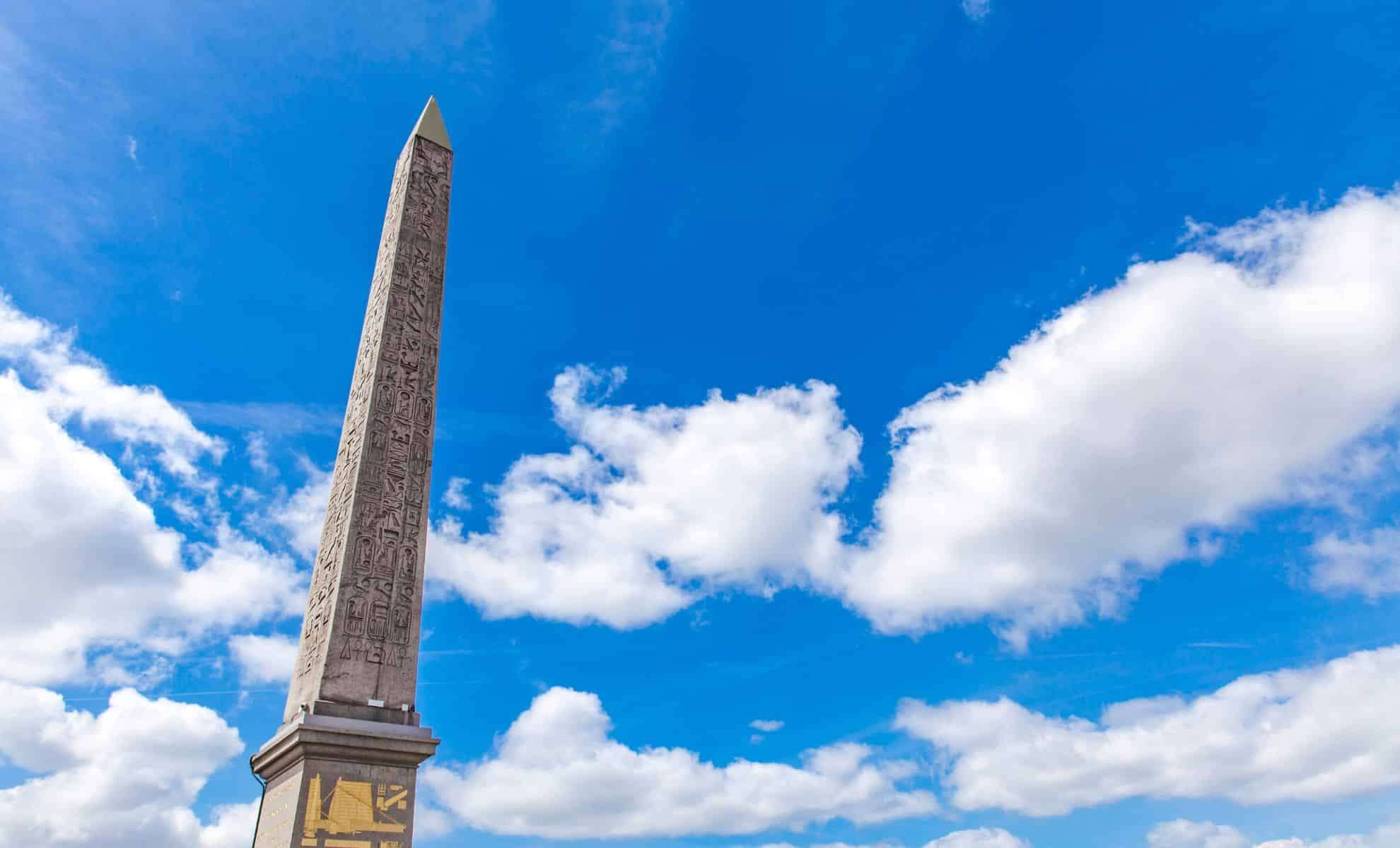
For nearly two centuries, the imposing Luxor Obelisk has stood as a majestic centerpiece at Place de la Concorde in Paris, representing a timeless emblem of Egypt’s rich heritage. Yet, beneath its weathered exterior lies a newly revealed chapter of Egypt’s illustrious past, tied to the reign of the legendary pharaoh Ramses II.
A Surprising Revelation
Originally crafted over 3,300 years ago under Ramses II’s orders at the entrance of Luxor Temple in Egypt, the Luxor Obelisk was gifted to France's capital in 1830 by Egypt’s viceroy.
Installed in Place de la Concorde in 1836, it quickly became an iconic landmark. Nevertheless, key details etched into its surface remained undiscovered by historians and archaeologists for generations.
The Mystery of ‘Crypto-Hieroglyphs’
It wasn’t until December 2021 that Jean-Guillaume Olette-Pelletier, an expert in Egyptology and cryptology, uncovered extraordinary features while the monument was undergoing restoration and wrapped in scaffolding.
This close inspection granted access to the obelisk’s upper inscriptions, which had escaped prior attention.
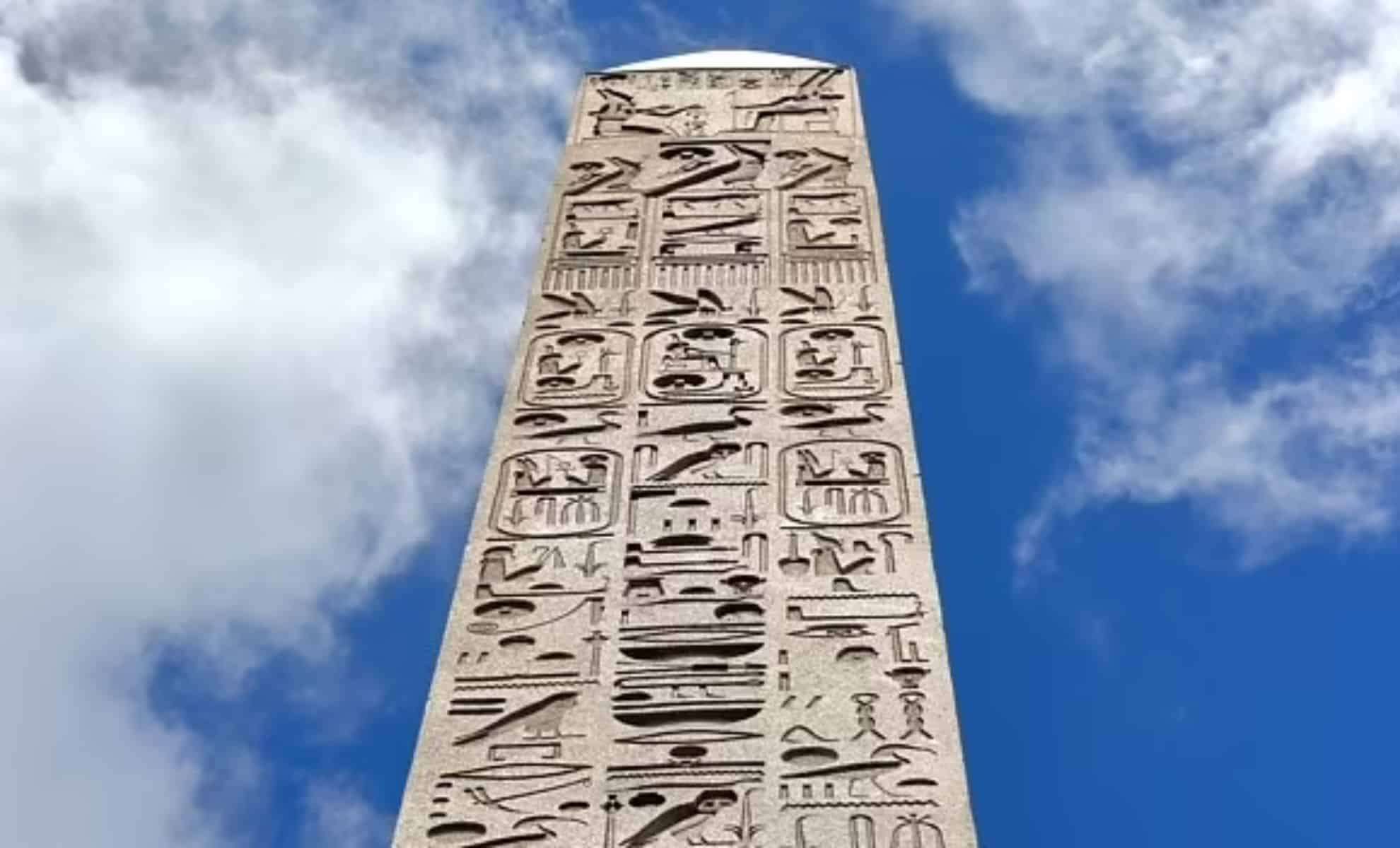
By interpreting the hieroglyphs horizontally rather than vertically, Olette-Pelletier identified a series of concealed symbols called ‘crypto-hieroglyphs,’ a coded script traditionally employed by Egypt’s ruling elite.
The Egyptologist remarked, “People had not noticed that under [one of the drawings] of the god Amun, there is an offering table. This allows us to discover a sentence where no element is missing: an offering that the king gives to the god Amun,”

Messages as Divine Political Statements
These encoded texts served as more than mere carvings—they acted as sophisticated instruments of divine propaganda. Ramses II, who ruled from 1279 to 1213 BCE, embedded them to emphasize his sacred legitimacy and reinforce his authority.
The messages glorified his triumphs, long reign, and intimate connections to the gods. As Olette-Pelletier explained, “These messages are a form of propaganda in favor of the builder of the site: Pharaoh Ramses II.”
The carvings were intentionally designed to be observed from select vantage points, some even visible only from perspectives on the water.
The Obelisk’s Enigmatic Script
What makes these inscriptions particularly remarkable is the craftsmanship used to conceal them.
Olette-Pelletier revealed that the hieroglyphs utilize a technique called three-dimensional cryptography, where the arrangement of symbols conveys different meanings depending on the viewer's angle.
“The messages in question can only be seen from a specific angle,” he said.
A Sacred Monument Representing God and King
Among the most notable aspects of the discovery are inscriptions urging observers to offer sacrifices to the gods, highlighting Ramses II’s role as the intermediary between divine forces and humanity.
The obelisk was crafted not only to honor the pharaoh but to underscore his divinely sanctioned right to govern. Some of these texts emphasize the importance of keeping the gods appeased.
An Enduring Cultural Treasure in Paris
Olette-Pelletier’s breakthrough enriches the historical depth of the Luxor Obelisk. Nearly two centuries after it arrived in Paris, this monument’s significance has grown far beyond its status as a grand diplomatic gift.
Today, the Luxor Obelisk embodies the lasting impact of Egypt’s civilization on the contemporary world. Despite its prominence, these newly unearthed secrets remind us that even celebrated relics can reveal hidden narratives waiting to be discovered.
- Categories:
- News











0 comments
Sign in to Comment