
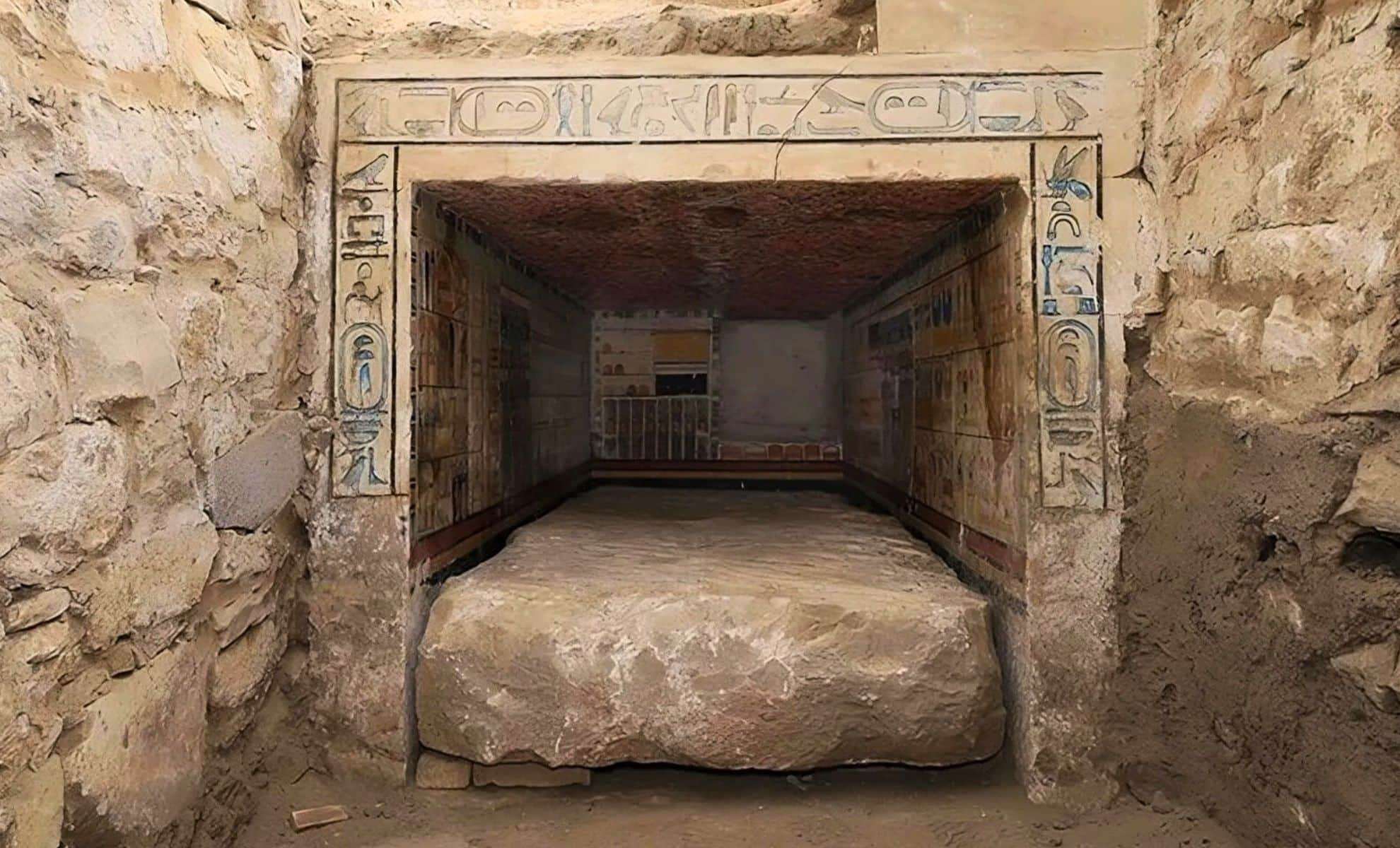
Archaeologists working at the Saqqarah necropolis, a UNESCO-listed site near Cairo, have uncovered a remarkable tomb belonging to Titi Nep-Fu, who was a royal doctor, magician, and priest dating back some 4,200 years to the era of Pharaoh Pepi II. This long-concealed burial site offers fresh insights into the intertwined spiritual and medical traditions of Egypt's Old Kingdom.
Titi Nep-Fu: Renowned Physician and Spiritual Practitioner
The inscriptions within the tomb illuminate the multifaceted role of Titi Nep-Fu. As a chief medical professional, he stood at the forefront of ancient Egyptian healthcare, particularly adept in treating venomous injuries. His skills also encompassed dentistry and herbal remedies, reflecting a comprehensive approach to wellness.
Distinctively, Titi Nep-Fu served as a priest-magician dedicated to the goddess Serket, famed for her association with venom and healing. The tomb’s decorations reveal his dual duties as both healer and spiritual conduit, emblematic of the era’s close blending of medicinal knowledge and mystical practice.

“Titi Nep-Fu’s connection to Serket is evident from inscriptions and reliefs that detail his rituals and offerings,” say researchers.
Such depictions offer invaluable information about the ceremonial roles and responsibilities held by court physicians in ancient Egypt.
The Tomb's Design and Features
The resting place of Titi Nep-Fu was concealed behind a brick enclosure, preserving it remarkably well. Notable elements include:
- An engraved stone sarcophagus bearing his name and titles.
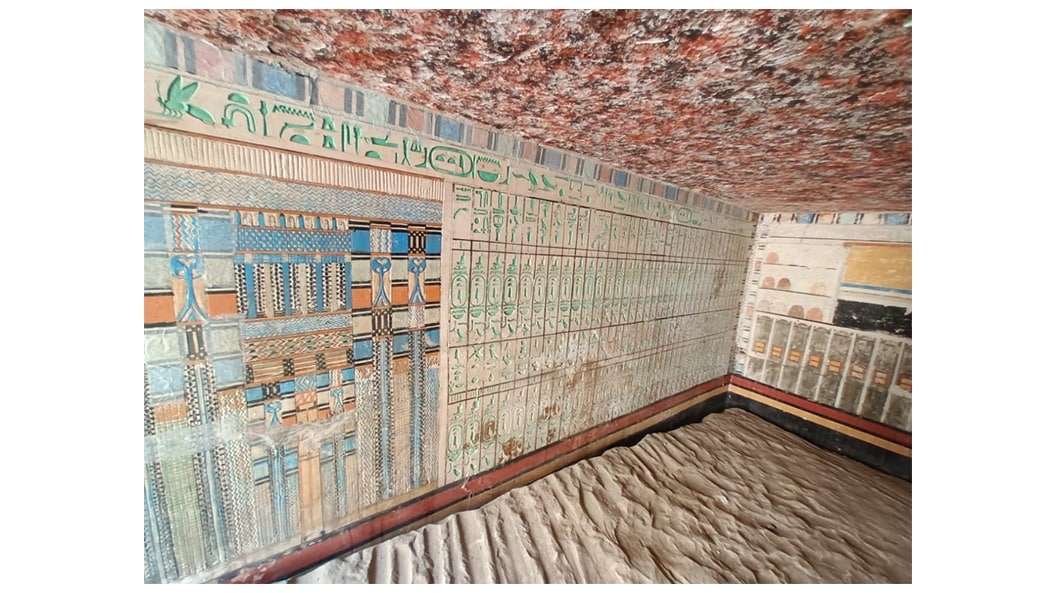
- Vivid wall reliefs and hieroglyphic texts illustrating rituals, everyday activities, and religious scenes.
- A concealed chamber strategically designed to protect the tomb from grave robbers.
Related Finds: The Mastaba of Vizier Ouni the Elder
Near Titi Nep-Fu’s tomb, archaeologists discovered remains of the mastaba belonging to Ouni the Elder, who was the vizier under Pharaoh Pepi I. This suggests that the area was a prestigious burial ground for top officials, underscoring Saqqarah’s importance during the Old Kingdom period.
The Protective Deity Serket and Her Role
Often illustrated with a scorpion crown, Serket was a key figure in Egyptian mythology, revered as a defense against venomous threats and a guardian of the deceased during funerary rites.
Titi Nep-Fu’s link to Serket highlights the fusion of divine power with medicinal practices. The tomb's carvings describe rituals honoring Serket, emphasizing her role in safeguarding health and aiding recovery.
Saqqarah: An Enduring Source of Ancient Insights
The Saqqarah necropolis, famed for landmarks like the Step Pyramid of Djoser and numerous elite tombs, continues to be a rich wellspring of historical discoveries. Recent unearthings such as Titi Nep-Fu’s resting place deepen our knowledge of governance, medical expertise, and spiritual beliefs during Egypt’s Old Kingdom.
This find also sheds light on burial innovations that combined protective architecture with intricate decorations, aimed at ensuring a safe journey to the afterlife.
- Categories:
- News











0 comments
Sign in to Comment