
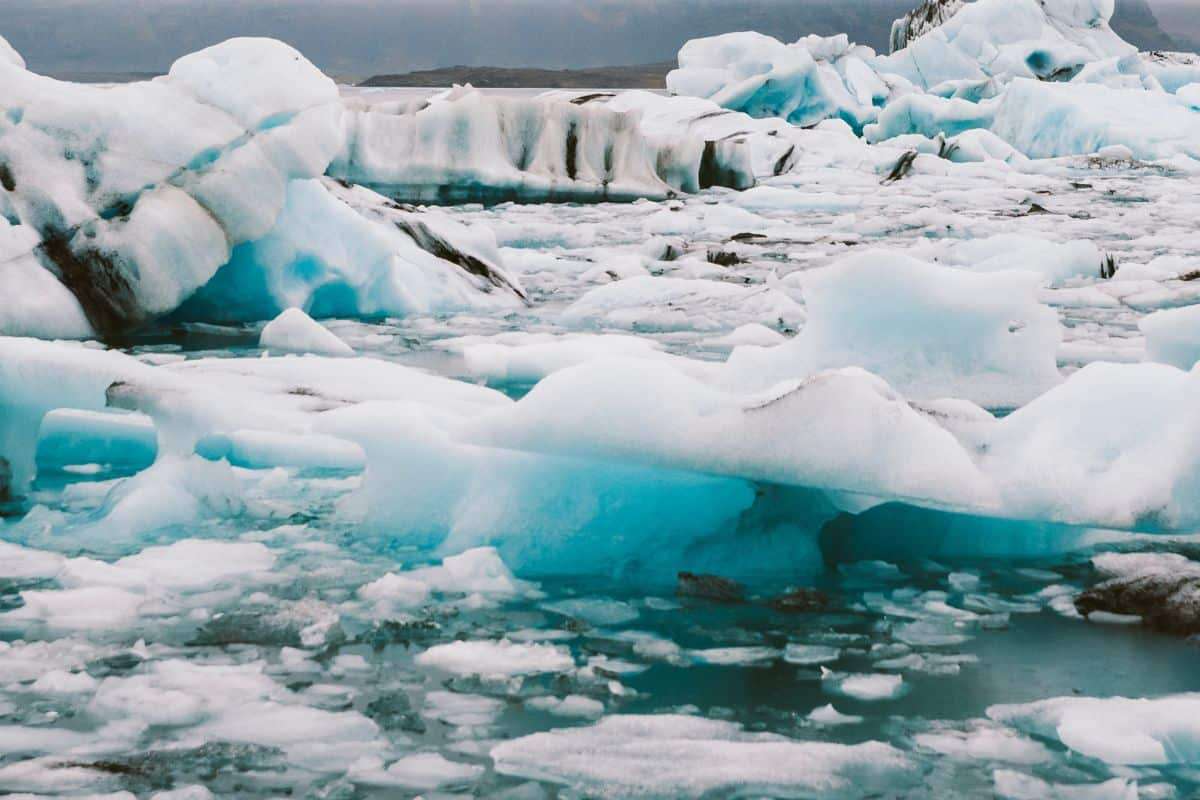
Scientists have uncovered a rare window into the ancient world beneath the melting ice of Wyoming’s Beartooth Plateau. A forest, preserved for nearly 6,000 years, was recently exposed as ice patches retreated, providing valuable information about past climates and ecosystems. This finding, detailed in a Proceedings of the National Academy of Sciences study, also highlights the accelerating impact of global warming on mountainous environments.
Unearthing Timeless Pines
During an archaeological expedition, researchers discovered 30 whitebark pine specimens in remarkable condition, with radiocarbon dating revealing their origins between 5,440 and 5,950 years ago. Positioned 180 meters above today’s tree line, their location indicates that ancient temperatures once supported forests at altitudes now considered too cold for tree growth.
This breakthrough challenges previous assumptions about the Rocky Mountains’ climate history and demonstrates how tree lines have shifted substantially over several millennia in response to environmental changes.

Insights Into Past and Future Environmental Shifts
While the fossilized forest offers crucial data about ancient environments, it also underscores a discomforting truth: these trees appeared only because once-permanent ice has melted. Professor Cathy Whitlock describes the find as a “window into past conditions” that simultaneously reveals the vulnerability of alpine habitats amid ongoing climate change.
As the planet warms, treelines are expected to move even higher, altering natural habitats and species distributions. Although expanding forest zones may aid in carbon sequestration, they also indicate ecosystem changes that could threaten species adapted to high-altitude environments.
Emerging Risks from Receding Ice
The thawing of ancient ice does not only unveil prehistoric forests; it may also release dormant microbes. The United Nations Environment Programme (UNEP) warns of potential threats from ancient viruses and bacteria that could re-emerge as permafrost melts.
Furthermore, melting ice can disrupt fragile hydrological systems, increasing risks of floods, landslides, and altering river flows critical to both human populations and wildlife ecosystems.
Actions Toward Mitigation
The primary driver behind melting glaciers and warming temperatures is human-induced pollution. Individuals can contribute by adopting renewable energy, minimizing waste through composting and recycling, and enhancing household energy efficiency.
Backing climate policies plays a vital role in initiating widespread change and safeguarding sensitive ecosystems.
A Sobering Perspective
The emergence of this ancient forest is both captivating and cautionary. It not only enriches scientific understanding of historical climate patterns but also highlights the rapid pace of earth’s climatic transformation.
As global temperatures rise, more locked-away ecological treasures are likely to surface, offering historical revelations yet signaling potentially severe impacts on biodiversity, ecosystems, and future generations.
- Categories:
- News






0 comments
Sign in to Comment