
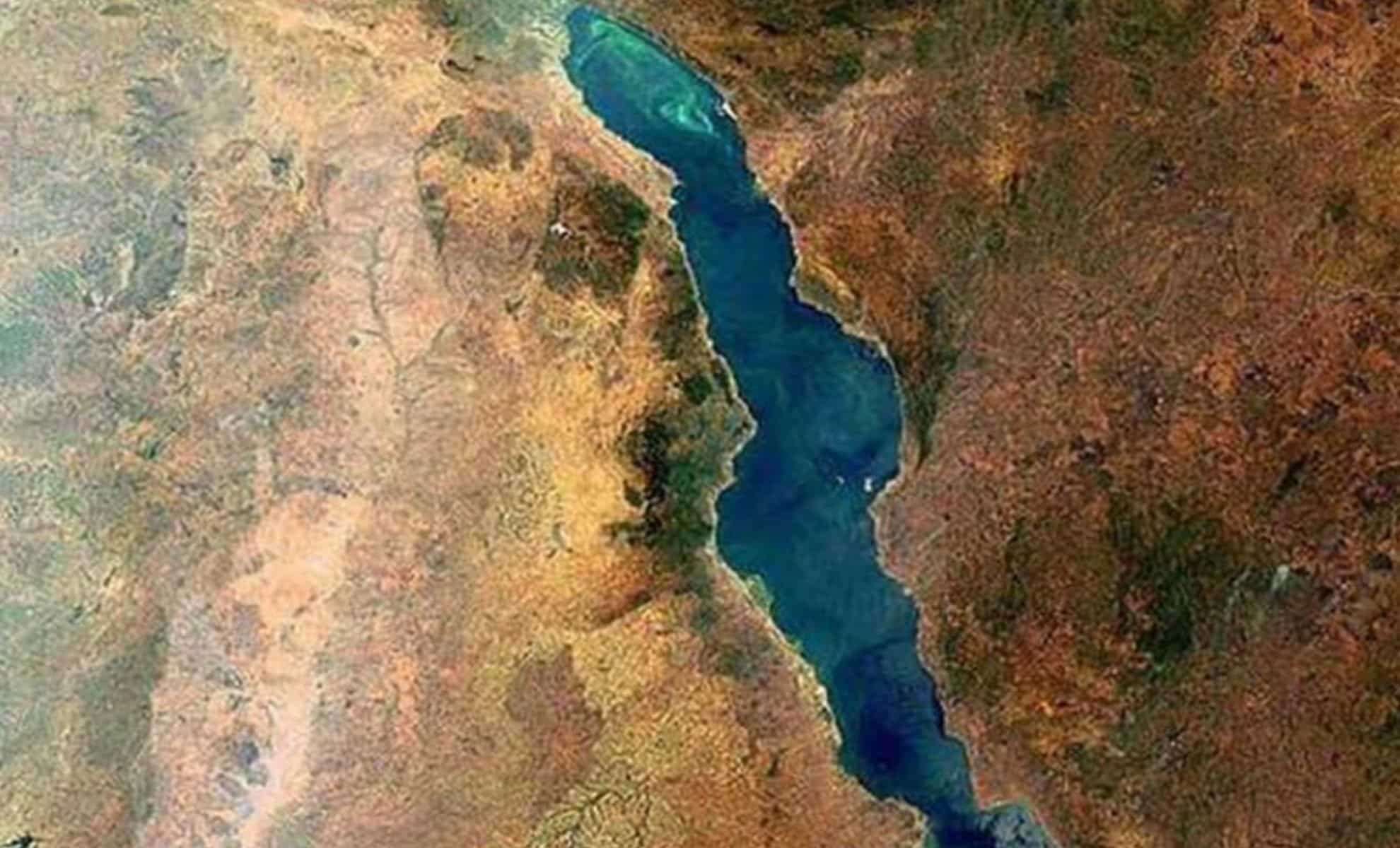
A monumental transformation is taking place beneath Africa's surface as tectonic activity sets the stage for the creation of a new ocean. Central to this ongoing process is the East African Rift System, an extensive fault network stretching from Mozambique up to the Red Sea. Recent findings indicate that the tectonic plates in this region are diverging more rapidly than previously believed, potentially reconfiguring the continent’s terrain and ecological makeup within a much shorter span — possibly under a million years.
Accelerated Rift Expansion Alters Africa’s Terrain
The African and Somali plates are moving apart at nearly 0.8 centimeters annually, driving the expansion of a significant valley in East Africa. Across a 60-kilometer stretch in the Ethiopian desert, a rift has developed with depths reaching 10 meters. While these shifts unfold slowly from a human perspective, they signify the embryonic phase of a massive geological event — the genesis of a new ocean basin.
Geoscientist Cynthia Ebinger from Tulane University highlights this hastening process:
“Our estimates have shortened the development timeline to around 1 million years, or potentially even less,” Ebinger states. She also points out that significant seismic events, such as earthquakes, could hasten this evolution, though precisely forecasting such events remains complex.


Lessons From Geological History: Watching a New Ocean Form
The East African Rift’s formation reflects the processes that caused the Atlantic Ocean to form millions of years ago. It stands as the sole location where scientists can observe continental crust transforming into oceanic crust as it happens. This unique setting provides researchers invaluable insight into the mechanisms of tectonic plate separation and the creation of new geological formations.
One notable event in 2005 within Ethiopia highlighted the rift’s intense activity. More than 420 earthquakes took place in a brief interval, resulting in a substantial fissure in the Afar region, known for its harsh climate and extreme heat. Processes that would usually span centuries unfolded in just days, prompting a reexamination of geological timelines.
How This Will Redefine Africa’s Landscape
The birth of a new ocean will profoundly transform Africa’s map. Countries currently without ocean access, such as Zambia and Uganda, could acquire coastlines, affecting their economic prospects and biodiversity. This prospect exemplifies the remarkable dynamism of Earth’s surface and the ongoing influence of tectonic forces shaping our world.
Consequences of Ocean Formation
- Geographical Evolution: Emergence of new seashores and the gradual division of the African continent.
- Economic Development: Creation of new maritime trade routes benefiting formerly landlocked nations.
- Ecological Transformation: Development of marine ecosystems within newly formed ocean basins.
- Infrastructure Adaptation: Challenges for urban planning and coastal management in altered landscapes.
This phenomenon also presents complex challenges for the scientific community. Building precise predictive models, developing robust monitoring methods, and analyzing environmental consequences demand cross-disciplinary research efforts.
Urgent Need for Cutting-Edge Geological Research
With this accelerated tectonic activity unfolding, scientists are called to innovate their methodologies to better comprehend Earth’s evolving geology. Researchers like Ebinger are enhancing models that simulate plate movements, seismic events, and crustal changes, aiming to deepen understanding and anticipate future impacts across Africa.
The emergence of this oceanic basin in East Africa provides a vivid illustration of our planet’s constant evolution. As ongoing research uncovers further details, this extraordinary geological event continues to illuminate the powerful forces shaping Earth’s ever-changing surface.
- Categories:
- News







0 comments
Sign in to Comment