
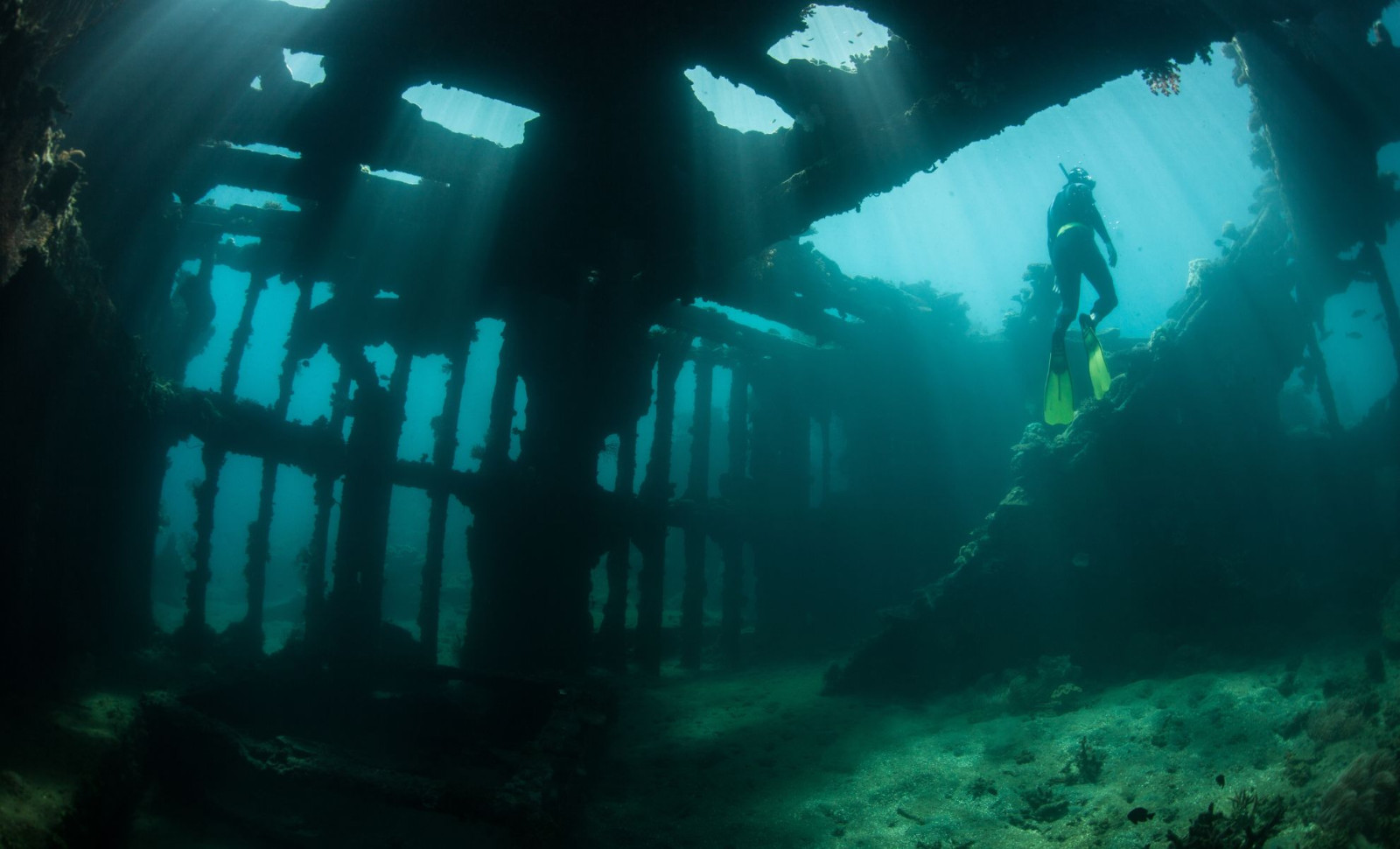
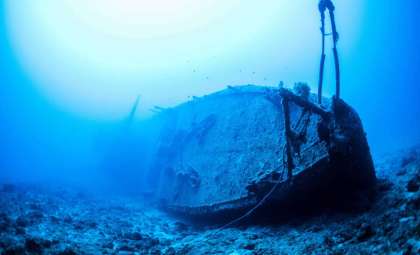
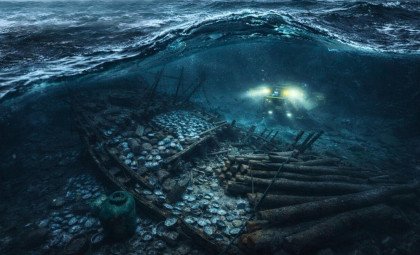
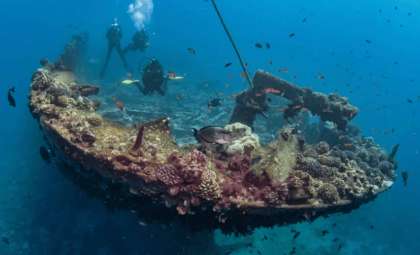
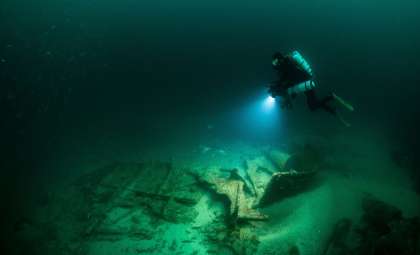
Off the Mediterranean shoreline near Caesarea, underwater explorers have located two shipwrecks packed with an impressive array of artifacts from the Roman and Mamluk eras, which are separated by over a millennium. Situated in shallow waters, the sites contain coins, jewelry, and everyday items.
Resting at depths close to 4 meters, these shipwrecks have been intermittently exposed due to shifting sands. They reveal maritime incidents that took place in a coastal region known for its susceptibility to severe weather.
Coins Illuminate Ancient Trade Networks
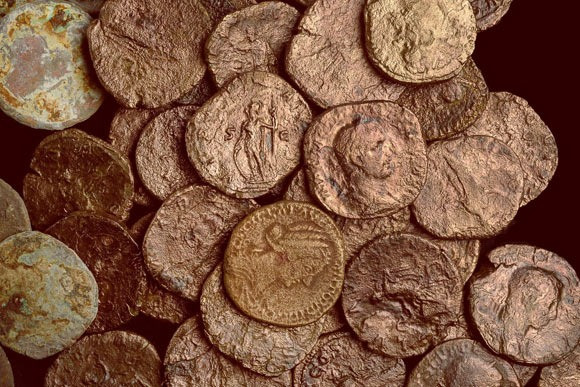
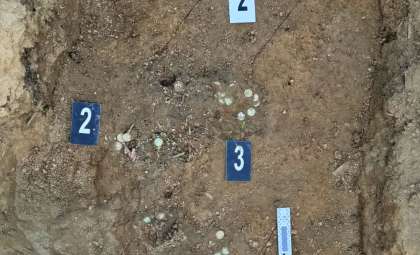
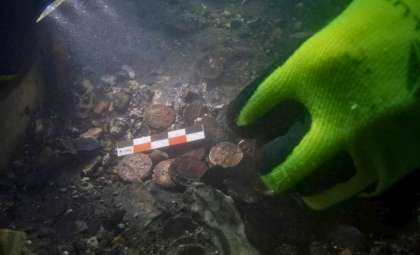
The excavation uncovered an extraordinary assortment of silver and bronze coins dating back approximately 1,700 and 600 years, along with a substantial collection of Mamluk silver currency. A press release from the Armstrong Institute of Biblical Archaeology highlighted that these artifacts illustrate exchange routes spanning two separate historical periods. The coins were scattered across the ocean floor, a sign that the vessels were broken apart during their sinking.

“The ships were probably anchored nearby and were wrecked by a storm,” stated the Israel Antiquities Authority.
Experts reiterated that such perilous conditions were commonly understood by sailors of antiquity, who were fully aware of the hazards of docking in exposed coastal zones. They explained:
“They may have been anchored offshore after getting into difficulty, or fearing stormy weather, because sailors know well that mooring in shallow, open water outside of a port is dangerous and prone to disaster.”
Artifacts Highlight the Human Side of the Shipwrecks
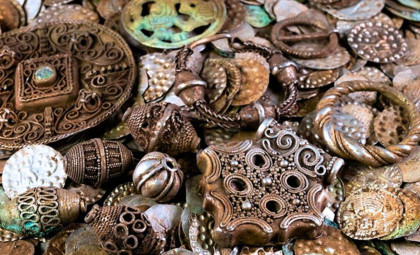
Among the treasures recovered were personal items believed to belong to passengers and crew. Notably, a red gemstone engraved with a lyre, crafted for a gemma ring and recognized in Jewish culture as the Kinor David, was found. Researchers noted:
“The underwater remains include rare personal effects of the shipwrecked victims,” highlighting the human dimension of the discovery. Other finds include bronze bells, pottery vessels and small figurines.
A Gold Ring Points to Early Christian Symbolism
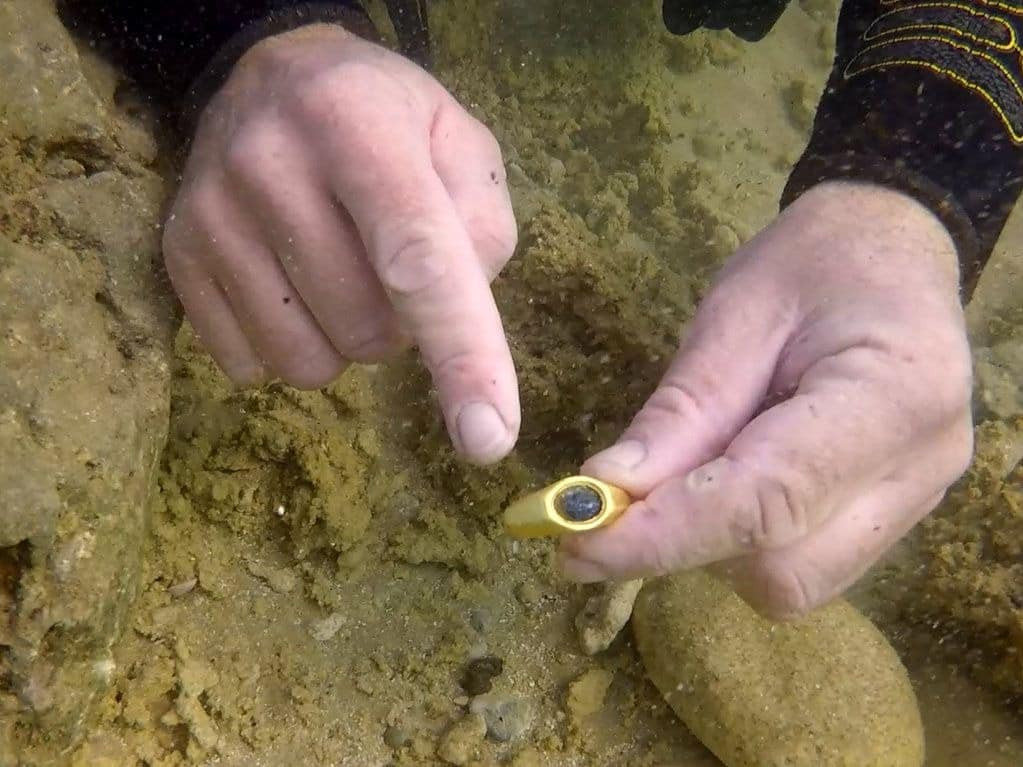
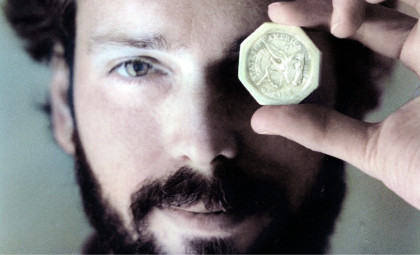
Among the most striking discoveries is an octagonal gold ring featuring a green stone engraved with an image of a young shepherd carrying a lamb. This item has been described as “a rare and exquisite find” by researchers, who added:
” The image, of the ‘Good Shepherd’, is one of the earliest and oldest images used in Christianity for symbolizing Jesus; it represents Jesus as humanity’s compassionate shepherd, extending his benevolence to his flock of believers and all mankind. This unique gold ring bearing the figure of the ‘Good Shepherd’ gives us, possibly, an indication of its owner, an early Christian.”
Further artifacts recovered include a bronze eagle figurine, a comic mask figurine, lead pipes from a bilge pump, and a substantial iron anchor. Preserved for centuries in shallow waters, these items provide valuable insight into the commercial activity and personal lives connected to the two shipwrecks.
- Categories:
- News



0 comments
Sign in to Comment