
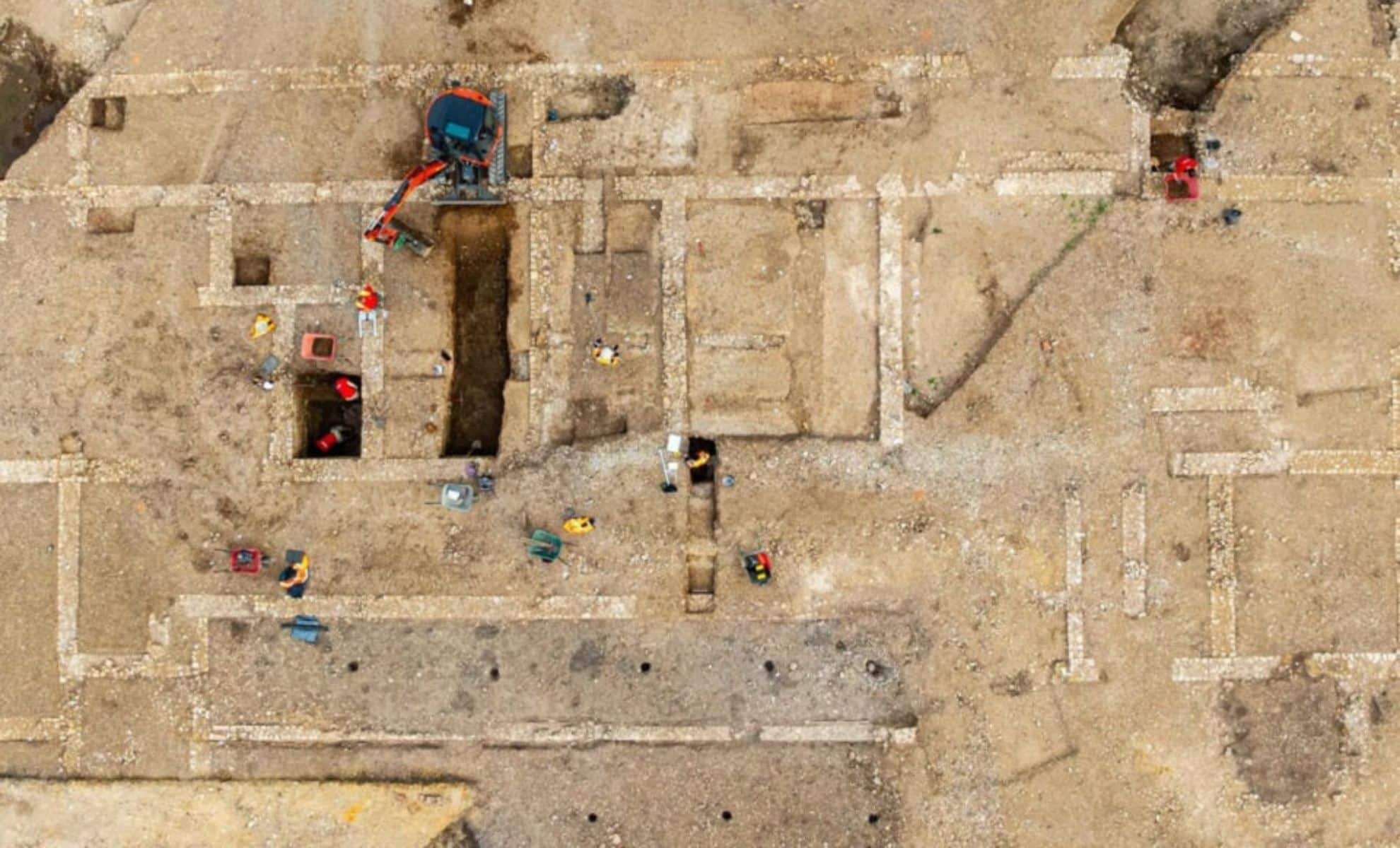
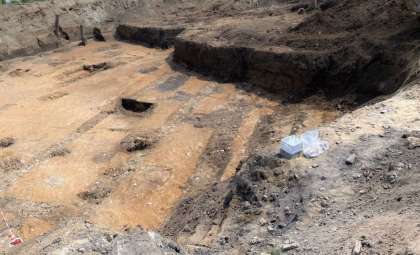
In France, archaeologists have uncovered remnants of what appears to be one of the grandest Roman estates ever identified in the region. Situated near Auxerre, this extensive complex was initially spotted in 1966, but recent excavations have revealed its true scale. Once believed to encompass just 7,535 square feet, the structure is now recognized as part of a far larger 43,056-square-foot villa.
Archaeological Team Reveals Vast Roman Villa in France
The site's early intrigue stemmed from well-preserved artifacts and rooms, including furniture remnants. Features like intricate mosaics and an underfloor heating system pointed to affluent residents, indicating the villa belonged to a high-ranking social class. As the dig progressed, it became clear that the uncovered section represented only a portion of an extensive luxury residence.
France’s National Institute for Preventive Archaeological Research (Inrap) reports that this villa is considered among the largest Roman estates in France. The complex was constructed in multiple phases, reflecting the classic Roman villa layout described in De Re Rustica, authored by the Roman agricultural writer Lucius Junius Moderatus Columella.

Columella outlined that Roman villas were typically divided into three sections: the pars urbana (the owner’s residence), the pars rustica (work and animal quarters), and the pars fructuaria (storage and processing). Near Auxerre, archaeologists primarily found the pars urbana, with some evidence of the pars rustica as well.
Architectural Grandeur of the Villa Unveiled
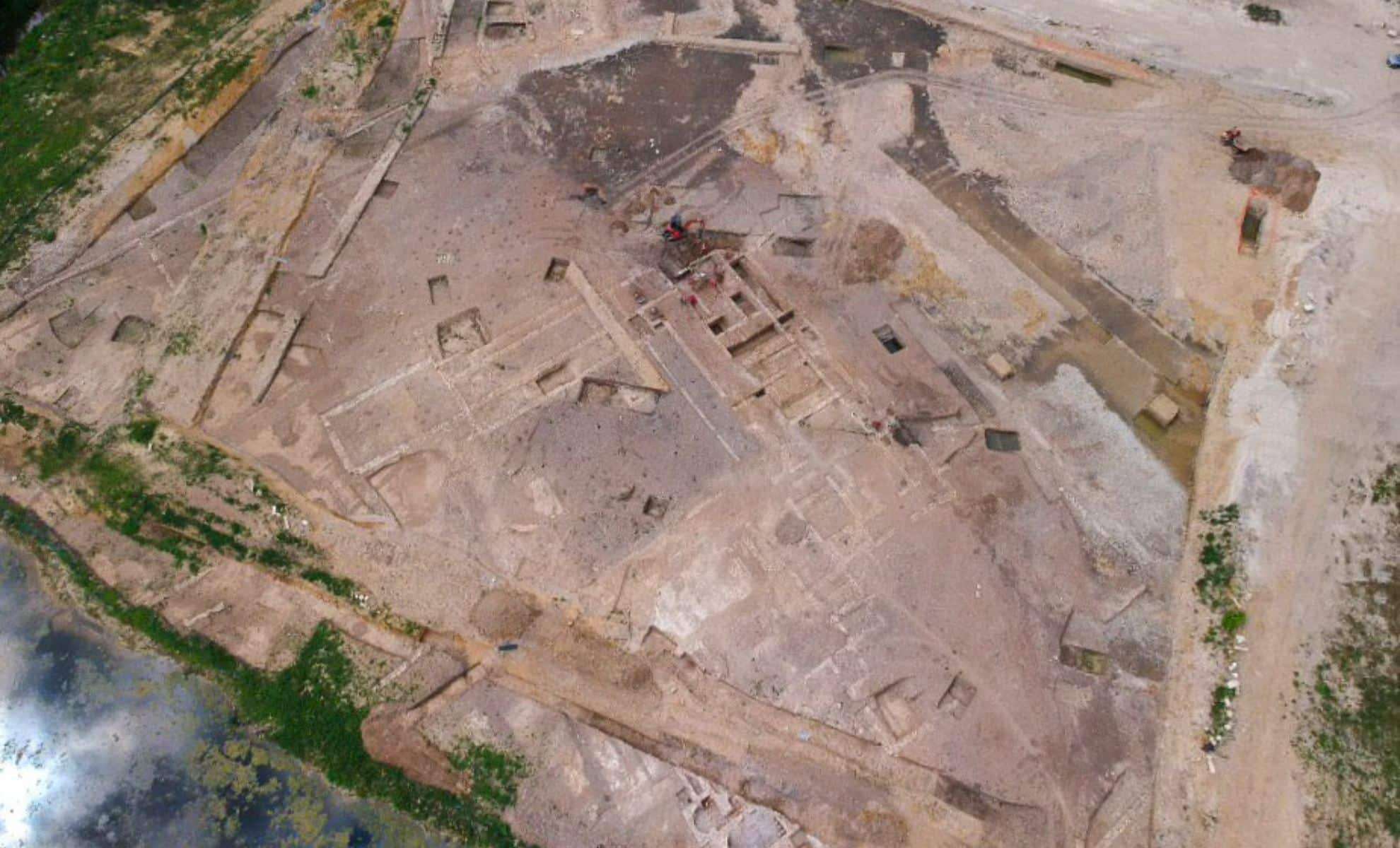
This newly discovered estate showcases the lavish lives of ancient Roman elites. Its design features a central courtyard garden, including a basin at one end and a fountain opposite. Surrounding this quadrangle are multiple rooms likely intended for entertaining guests, performing technical tasks, and possibly cooking purposes.
The villa’s eastern section contains a thermal bath complex—a hallmark of elite Roman residences. Beyond their practical use, these baths served as social hubs and relaxation spots.
The sheer dimensions and staggered construction stages of the villa highlight its significance. Experts believe the estate was developed over two or three main renovations, and ongoing research may expose its full extent. The site’s proximity suggests a connection to ancient Autessiodurum, now the city of Auxerre.
Insights into Roman-Era Life
Roman villas in Gaul, particularly large ones like this discovery, were symbols of wealth and influence, designed with elaborate sanctuaries, gardens, fountains, and richly decorated interiors featuring marble, frescoes, and mosaics. This villa’s opulence implies ownership by a prosperous landowner, possibly connected to the local political elite who played pivotal roles in shaping towns like Auxerre.
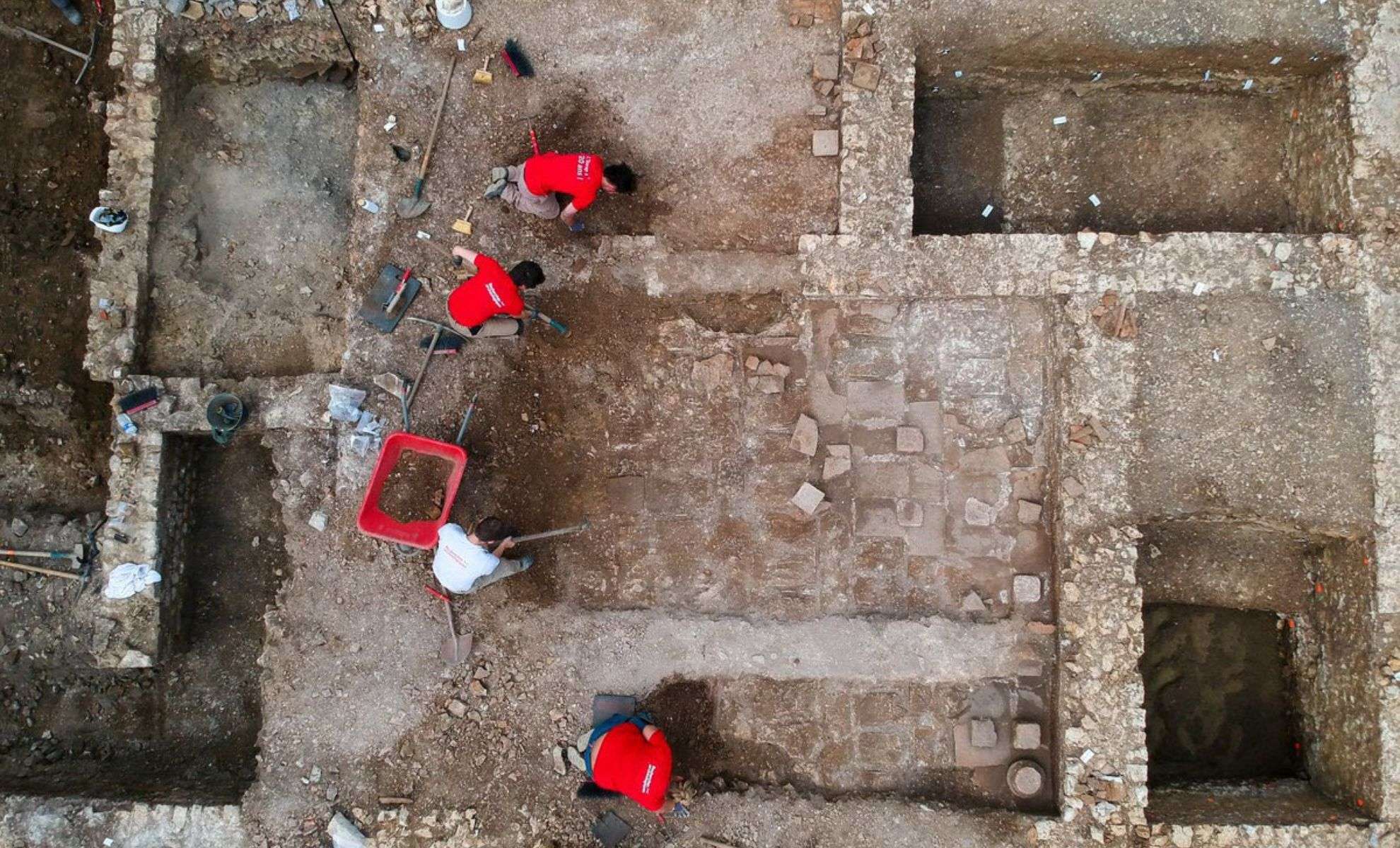
With excavations still underway, researchers anticipate uncovering additional details about this exceptional Roman estate. The villa near Auxerre stands as a remarkable example of Roman-Gallic architecture and offers crucial understanding of the lifestyles of Gaul's affluent citizens. A special guided visit is scheduled for June 15, coinciding with European Archaeology Days.
- Categories:
- News










0 comments
Sign in to Comment