
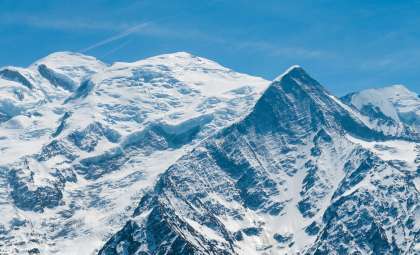
An ancient Roman military outpost perched nearly 7,000 feet above sea level in the Swiss Alps has been revealed. This site is directly connected to a documented Roman battlefield, confirming the presence of a strategic military force in the area some 2,000 years ago.
Located in Graubünden, where scholars have long investigated Roman-era remnants, the camp’s elevated location offered troops a vantage point to oversee critical Alpine valleys and thoroughfares, according to the Canton of Graubünden.
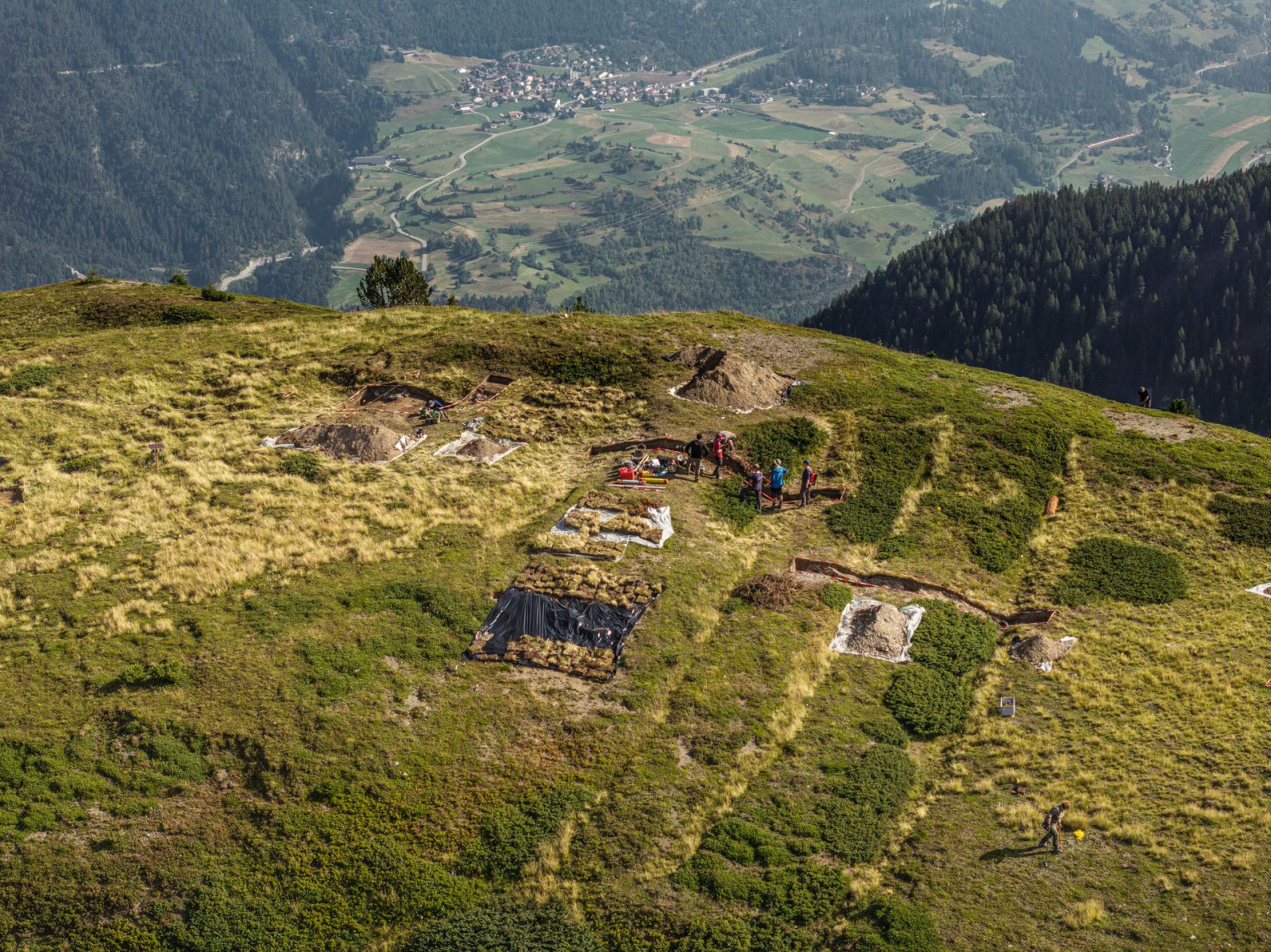
Since 2021, researchers from the University of Basel and the Graubünden Archaeological Service have concentrated their efforts on a known battleground in Crap Ses. A new breakthrough occurred in 2023 when a volunteer noticed an unusual formation at a higher elevation, leading to the discovery of a second site.

Aircraft Technology Reveals Concealed Fortification
Situated along the Colm la Runga corridor roughly 3,000 feet above the original battlefield, the camp was identified through LiDAR technology. This remote sensing method detected slight elevation variations, outlining what appears to be a man-made structure.
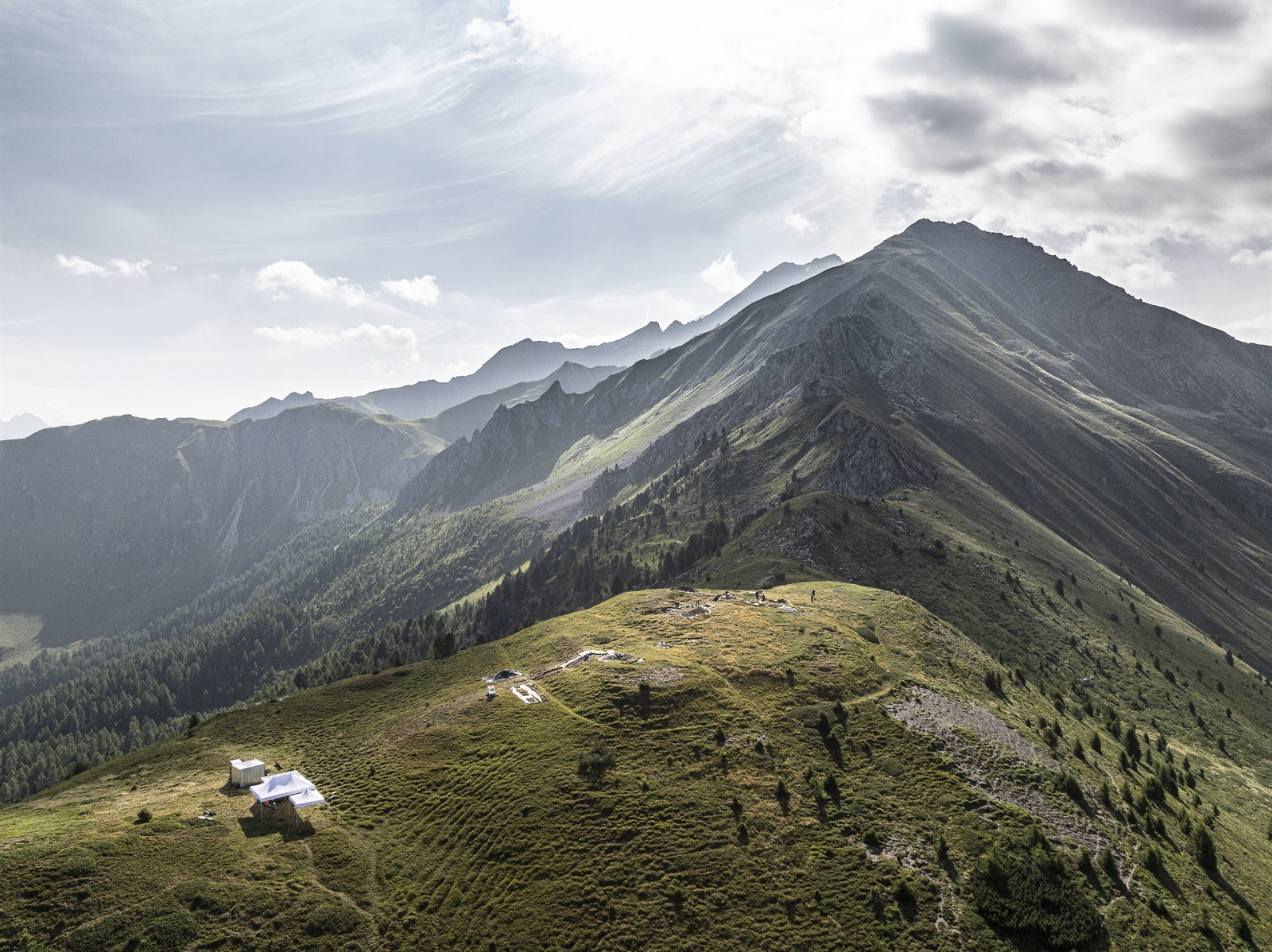
The excavations exposed a defensive installation featuring three ditches and a rampart wall, remarkably preserved after nearly two millennia. From this strategic vantage, Roman soldiers were able to survey key valleys and the heavily trafficked Lenzerheide route.
“The location of the camp at Colm la Runga was clearly chosen for strategic reasons. From this position, there is a wide view over the surrounding valleys, including Landwasser Valley, Albula Valley, Domleschg, and Surses. The Lenzerheide, which was an important passage at the time, is also clearly visible,” reported in a translated statement.
Artifacts Link Site to Roman Legions
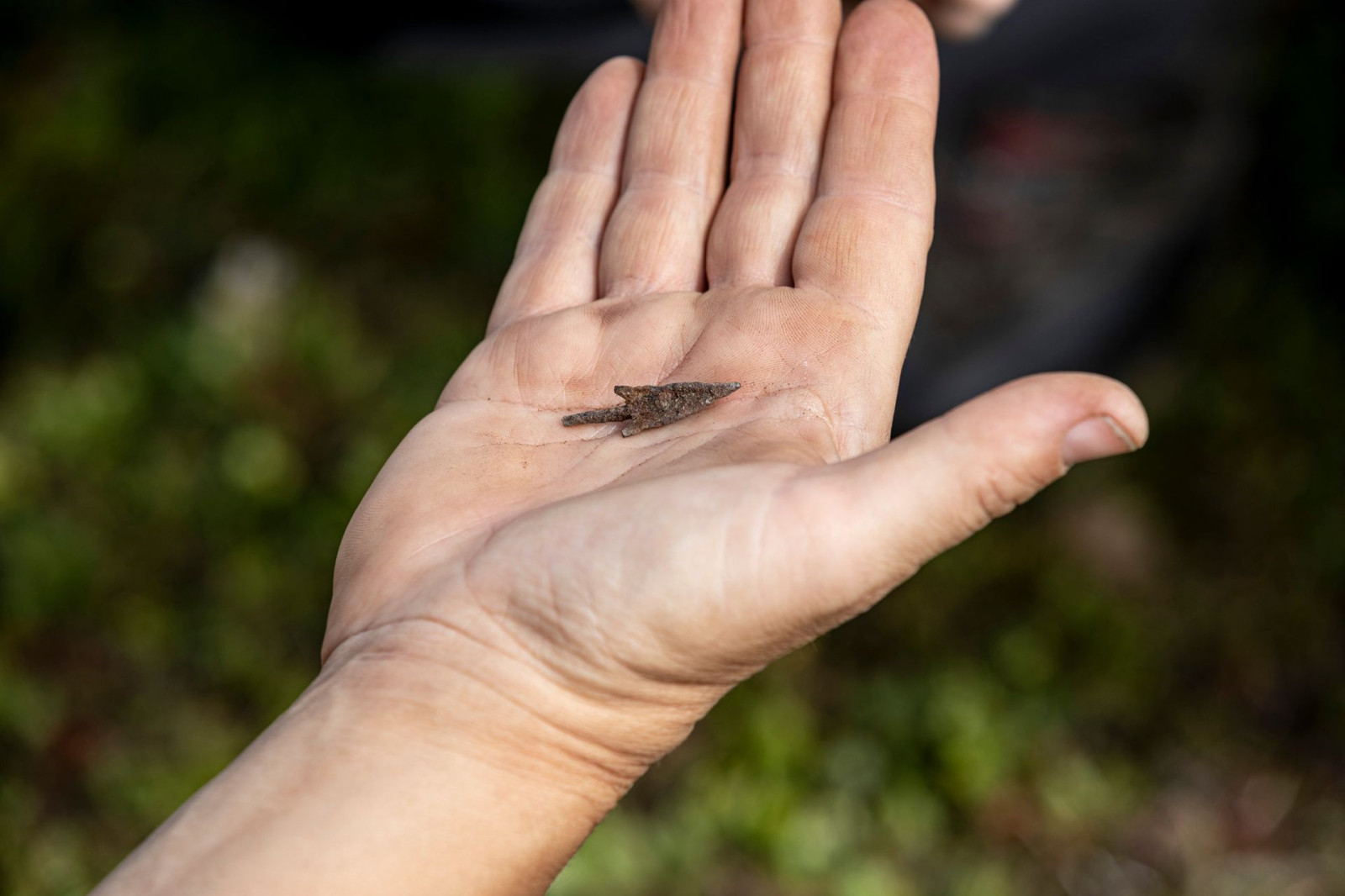
Inside the camp, archaeologists uncovered lead sling shots and hobnail remnants from military footwear. Some sling bullets bore the insignia of the Roman 3rd Legion, solidifying ties to this unit.
According to official reports, these finds correspond with those recovered at the adjacent battlefield, dating the two locations to the same historical period. This suggests the camp and battlefield were connected components of a unified military maneuver about two millennia ago.
Tracing the Roman Pathway Across Alpine Terrain
This discovery adds valuable insight into Roman troop movements through this Alpine region. Researchers believe soldiers advanced from Bergell over the Septimer Pass to Tiefencastel, then onward to Chur and the Alpine Rhine Valley.
The location of the camp at such a high altitude exemplifies how the Romans strategically exploited elevated terrain to oversee movement and secure critical mountain routes.
“The remarkable discovery of a Roman military camp in the canton of Graubünden underscores once more that archaeological research in ‘Roman Switzerland’ continues to reveal unexpected treasures”
- Categories:
- News





0 comments
Sign in to Comment