
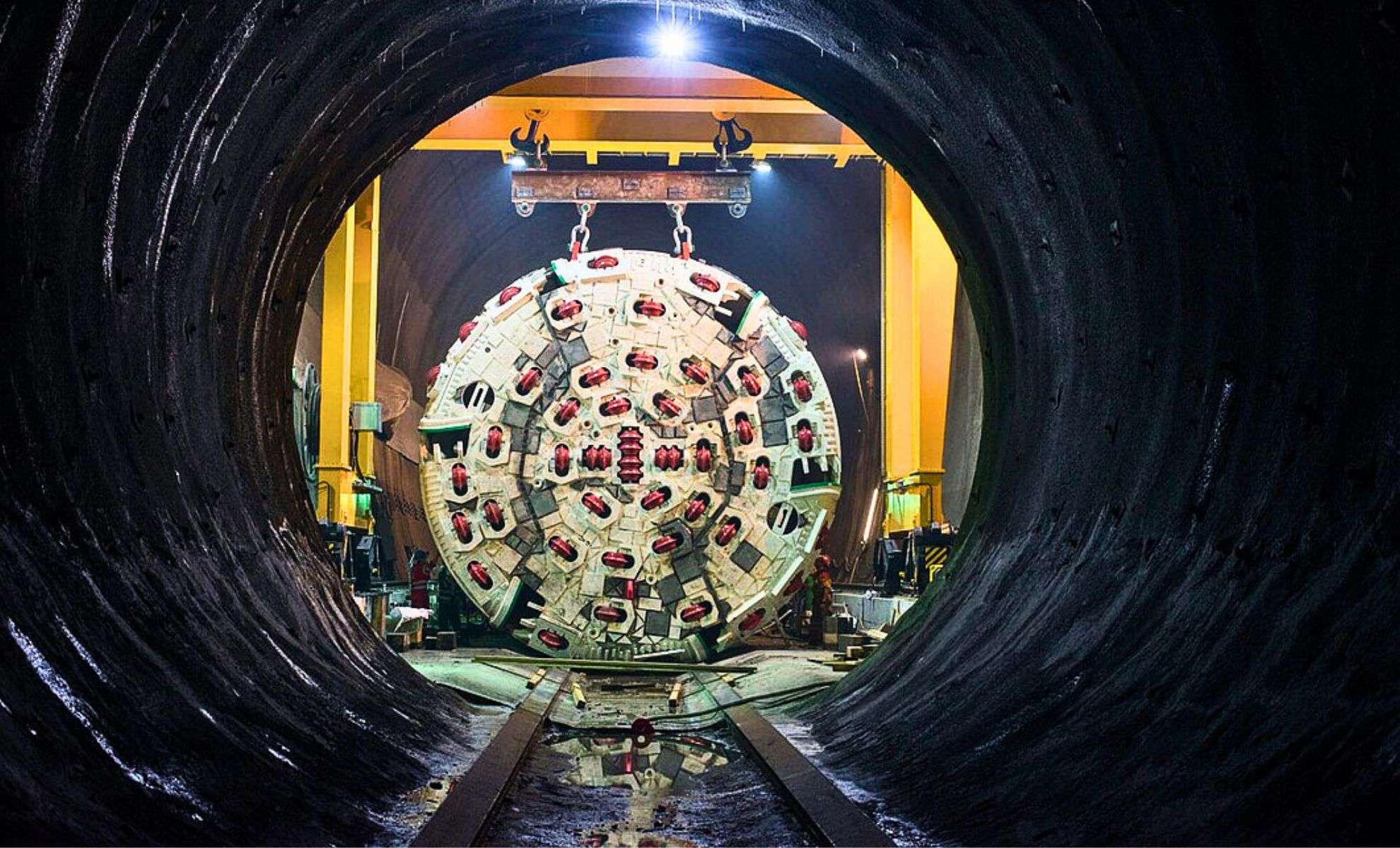
Deep beneath the formidable limestone peaks of the Alps, a renowned engineering challenge has reached a landmark moment. On September 18, 2025, engineering teams from Italy and Austria successfully linked their sections of the Brenner Base Tunnel, a 64-kilometre underground railway destined to become the longest rail tunnel on the planet. This critical cross-border connection represents both a symbolic achievement and a crucial step forward in one of Europe's most ambitious infrastructure ventures.
Connecting Innsbruck in Austria with Fortezza in Italy, the Brenner Base Tunnel (BBT) will soon facilitate high-speed passenger and cargo trains traveling up to 250 km/h. This tunnel will greatly reduce transit times and provide a sustainable alternative to the heavily trafficked alpine road routes. Largely funded by the European Union, the BBT is a vital segment of the Scandinavian–Mediterranean Corridor, a major north-south transport route running from Helsinki to La Valletta, aimed at enhancing trade efficiency and environmental sustainability across Europe.
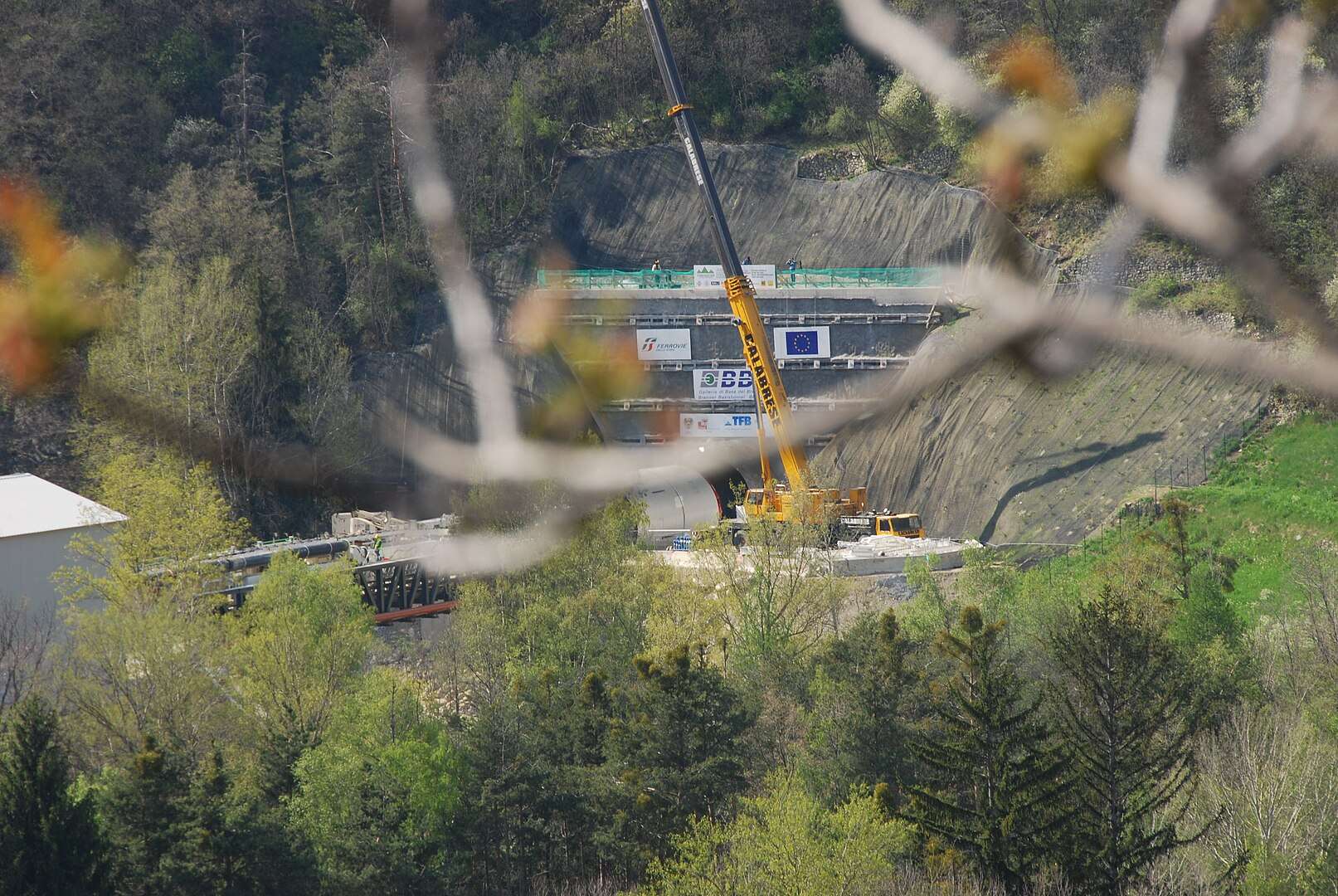
“This project exceeds the scope of conventional railway construction,” said Peter Hanke, Austria’s Climate Action Minister, at the milestone event. “It represents a tangible commitment to building a greener, better-connected Europe—both beneath the ground and in spirit.” His sentiments were shared by Italian Infrastructure Minister Matteo Salvini, who described the tunnel as a “symbol of collaborative engineering” following nearly 20 years of development.

Despite the celebrations, the journey has not been without setbacks. Although initially anticipated to be completed by 2025, the tunnel's opening has been delayed until 2032, due to challenges including complex geology, disruptions from the COVID-19 pandemic, and increasing costs.
A Decades-Long Endeavor Shaped by Terrain and Politics
The Brenner Pass has served as a vital trade route linking Northern and Southern Europe since ancient times but now faces extreme congestion, with over 2.5 million trucks and 14 million vehicles traversing annually. This traffic contributes significantly to CO₂ pollution and threatens the delicate alpine environment.
The new tunnel, positioned about 580 meters underground, aims to transfer up to 60% of freight transport from road to rail. According to the European Climate, Infrastructure and Environment Executive Agency (CINEA), the BBT will reduce travel between Innsbruck and Fortezza from 80 minutes to 25 minutes, by featuring a smooth incline of only 4 to 7%, vastly improving on the steep 26% gradient of the old 19th-century rail line.
Early phases heavily focused on exploratory tunnel excavation, a crucial but often overlooked step. A 56-km pilot tunnel beneath the main tubes was constructed to study the geological structure, water pressures, and potential hazards. The findings have minimized risks and will assist in future drainage, maintenance, and emergency response.
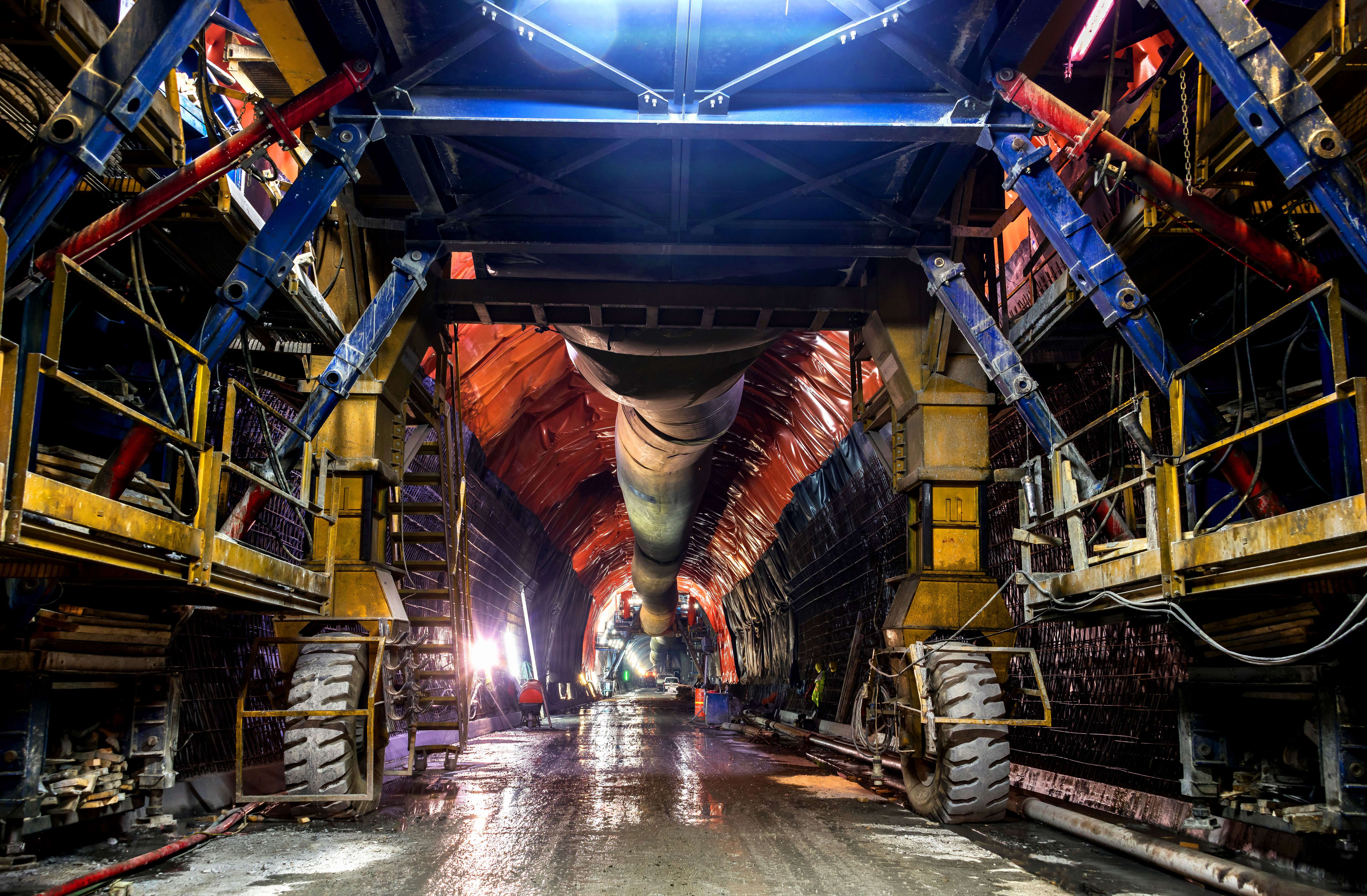
“The geology of the Alps is not just difficult but notoriously unpredictable,” remarked Dr. Lukas Berchtold, a geotechnical expert at the University of Innsbruck, during an interview with Der Standard. “We’re working through fractured ancient rock under immense stress, encountering water where it’s least wanted, and crossing seismic fault lines throughout the route.”
Tackling Engineering Complexities and Logistical Headaches
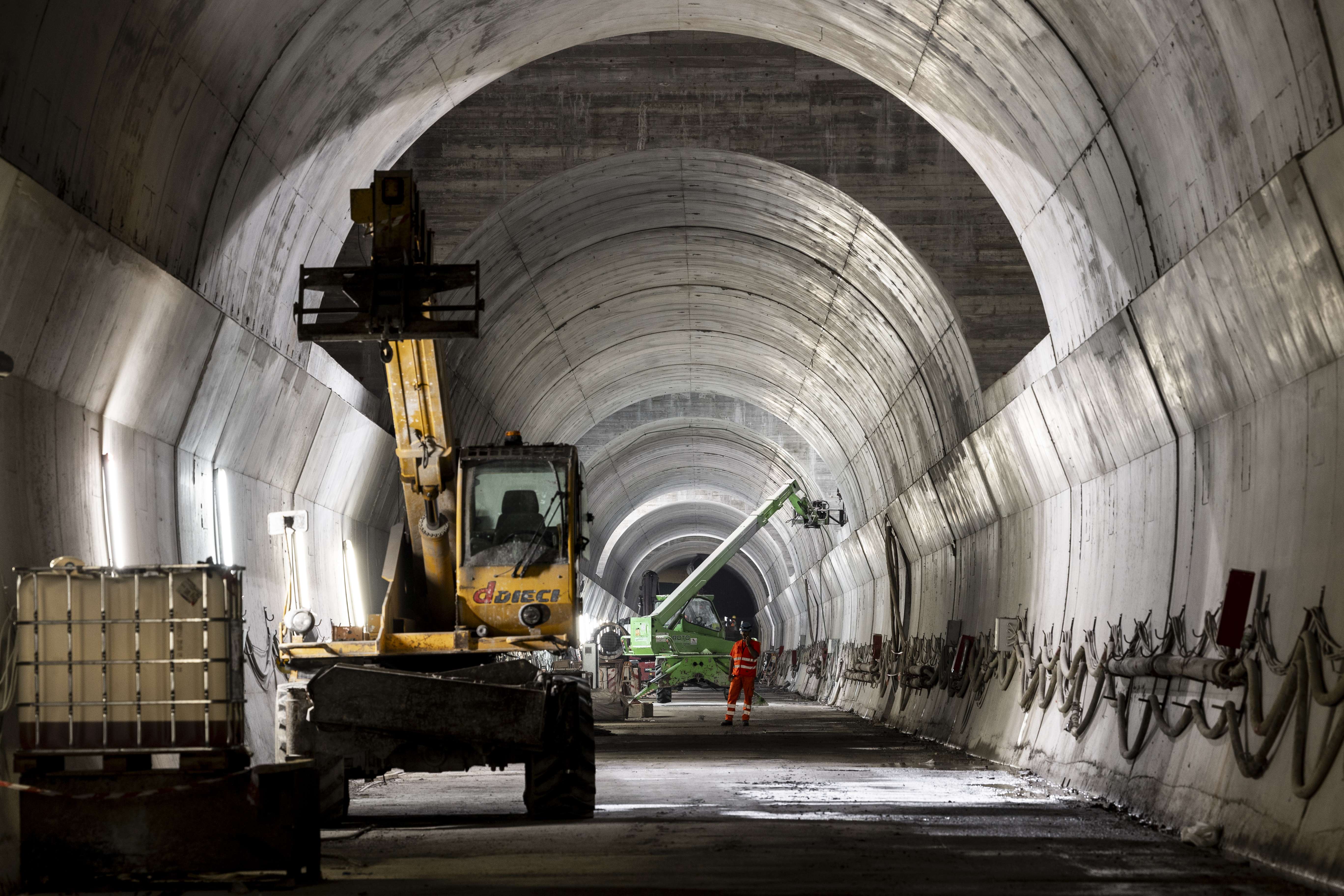
Despite numerous hurdles, substantial sections of the tunnel structure are nearing completion. By August 2025, the CINEA confirmed that 88% of the excavation was finished across both Austria and Italy. Parts like the H52 Hochstegen Lot and Mules 2-3 segment on the Italian side are advancing into the final stages of tunnel lining and installation of key systems such as ventilation, signaling, and emergency facilities.
The project has experienced significant cost overruns. Originally forecast at €6 billion, recent estimates from Engineering News-Record and EU budget documents now place the total near €8.4 billion. These increases stem from changes in tunneling techniques, workforce shortages, and supply chain interruptions caused by the pandemic.
The European Commission remains supportive of the project’s continued funding. Through the Connecting Europe Facility (CEF), Brussels has already allocated €2.3 billion, with further contributions expected under the upcoming 2027 CEF Transport program. The ultimate vision is to establish a fully electrified rail freight corridor spanning Northern and Southern Europe without any alpine barriers.
A Broader Shift to Subterranean Transit Solutions
The Brenner Base Tunnel is part of a wave of major European undertakings, including Switzerland’s Gotthard Base Tunnel (57.1 km) and the ongoing Mont Cenis tunnel connecting Lyon and Turin (57.5 km). These initiatives reflect a continental move toward tunnel infrastructure that navigates geographical obstacles while minimizing ecological damage.
By the 2030s, planners hope that a seamless trans-European rail network will enable effortless transport of goods and passengers between hubs like Berlin, Milan, Vienna, and Naples, reducing the carbon footprint to fractions of what air and road travel currently produce.
However, some experts question the sufficiency of rail transport alone to meet future demands and caution about ongoing maintenance and safety challenges, particularly with aging tunnel systems. Despite these concerns, most analysts agree that upgrading Europe’s rail capacity is an essential step.
“Europe’s rail systems are finally aligning with its ambitious sustainability goals,” stated Prof. Helena Richter, a logistics specialist at TU Dresden’s Faculty of Transport and Traffic Sciences. “Invisible as it might be, the Brenner Base Tunnel’s effects on commerce, environmental impact, and international cooperation will be profound and lasting.”
- Categories:
- News






0 comments
Sign in to Comment