
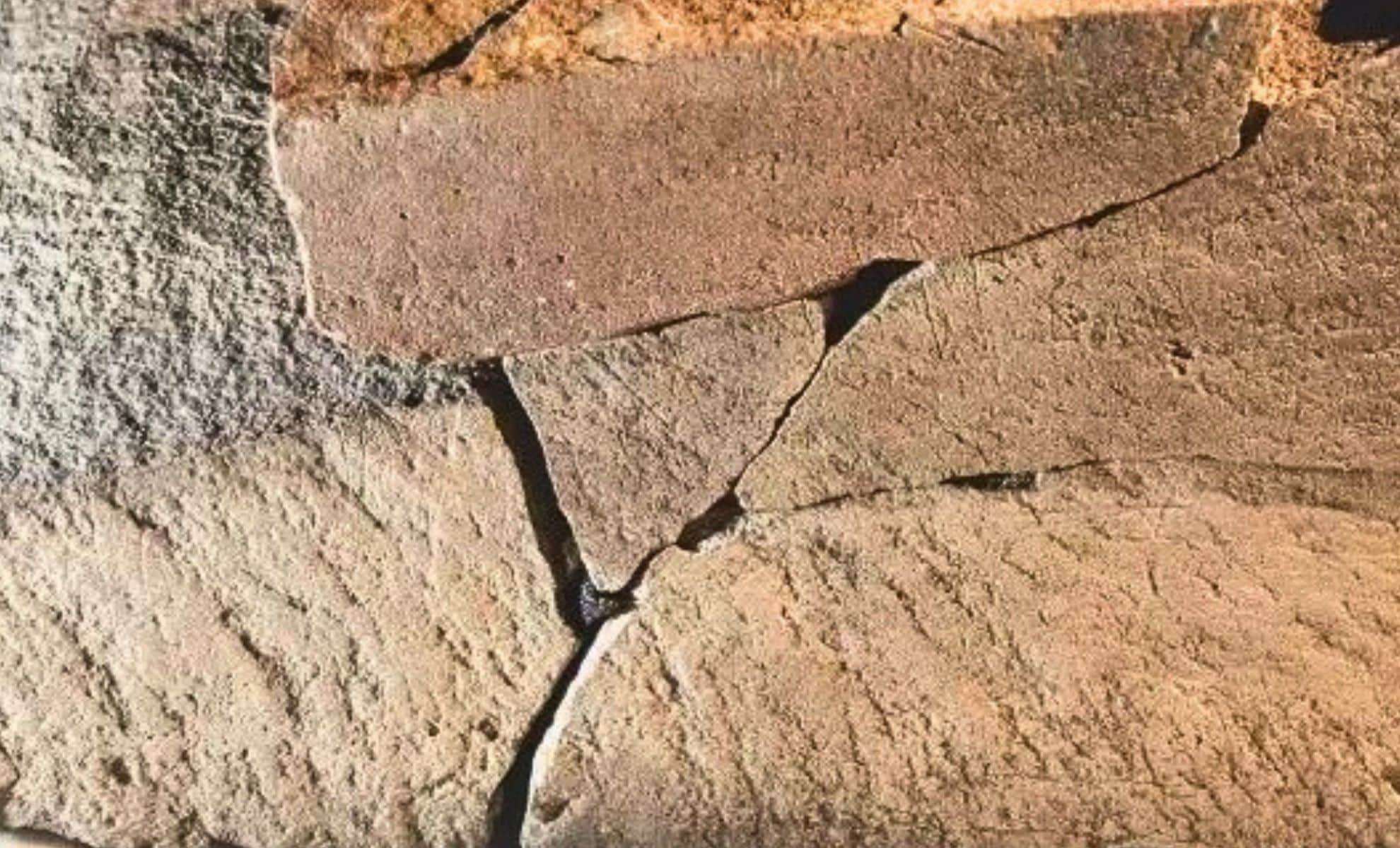
In Norway, experts in archaeology have identified what may be the oldest known rune stone ever discovered, significantly predating prior estimates for the beginnings of runic script. This remarkable artifact is believed to originate from a period between 50 BCE and 275 CE, offering fresh insights into the development of Germanic alphabets.
A Silent Chronicle of Ancient Writing
Rune stones are essentially large stones carved with runic characters used by early Scandinavian and Germanic communities before they adopted the Latin alphabet. Typically dated from the 3rd to 12th centuries, these stones often served as memorials or grave markers honoring warriors, nobles, or invoking divine protection.
Sweden is home to the greatest concentration, with over 2,500 rune stones documented, but similar artifacts have also been found in Norway, Denmark, Britain, and Central Europe, each preserving valuable clues about language, culture, and history.

A Landmark Archaeological Breakthrough in Norway
The so-called Svingerud stone, discovered within an ancient Norwegian burial ground, potentially represents the oldest example of a rune stone ever found. Archaeologists recovered several sandstone shards from historic graves, which were pieced together to recreate one engraved surface.
Thanks to radiocarbon dating techniques, it has been established that the inscription is close to 2,000 years old, making it considerably older than other known runic artifacts. This finding fundamentally alters timelines related to the emergence of early Scandinavian writing.
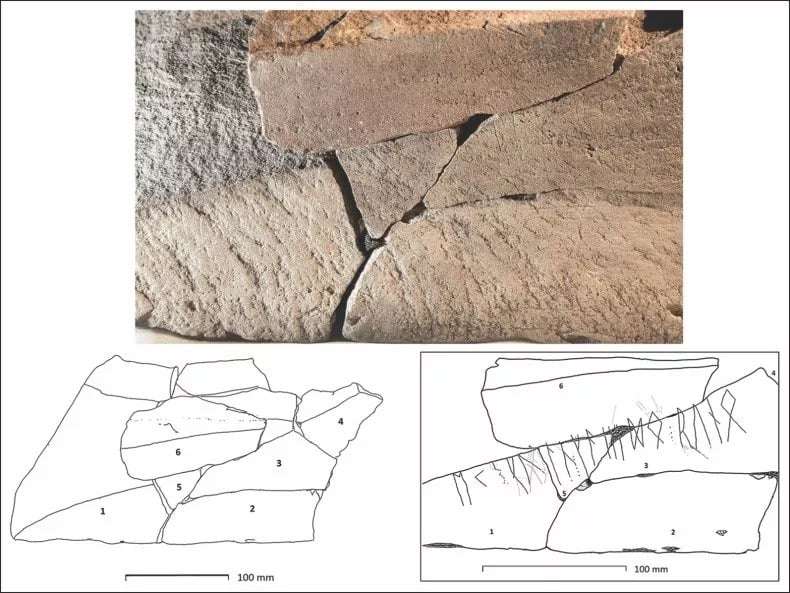
Enigmatic Carvings and Symbol Development
The markings on this stone feature a combination of familiar runes and unexplained glyphs, differing from the fully developed runic alphabets identified on later relics. This suggests an early experimentation phase in written communication. It prompts important queries:
- Could these markings represent proto-forms of the futhark alphabets?
- Did diverse communities create their own early runic variants before a unified system emerged?
Scholars theorize the rune stone served a commemorative function for a notable individual’s burial. It was later fragmented and reused in other graves, a practice that may symbolize meaningful ancestral continuity by integrating pieces of older burials into new ones.
A Defining Moment for the Study of Runic Scripts
This find is more than an ancient engraved stone; it offers a crucial key for tracing the origins of early writing systems in Northern Europe. Unlike many rune stones with uncertain dates, the Svingerud stone was discovered in a burial context that allows for accurate chronology.
As a result, researchers are reassessing other runic inscriptions and preparing for further digs, raising the exciting possibility that even older stones remain buried beneath Scandinavian soil, ready to reshape our historical understanding once more.
- Categories:
- Science









0 comments
Sign in to Comment