
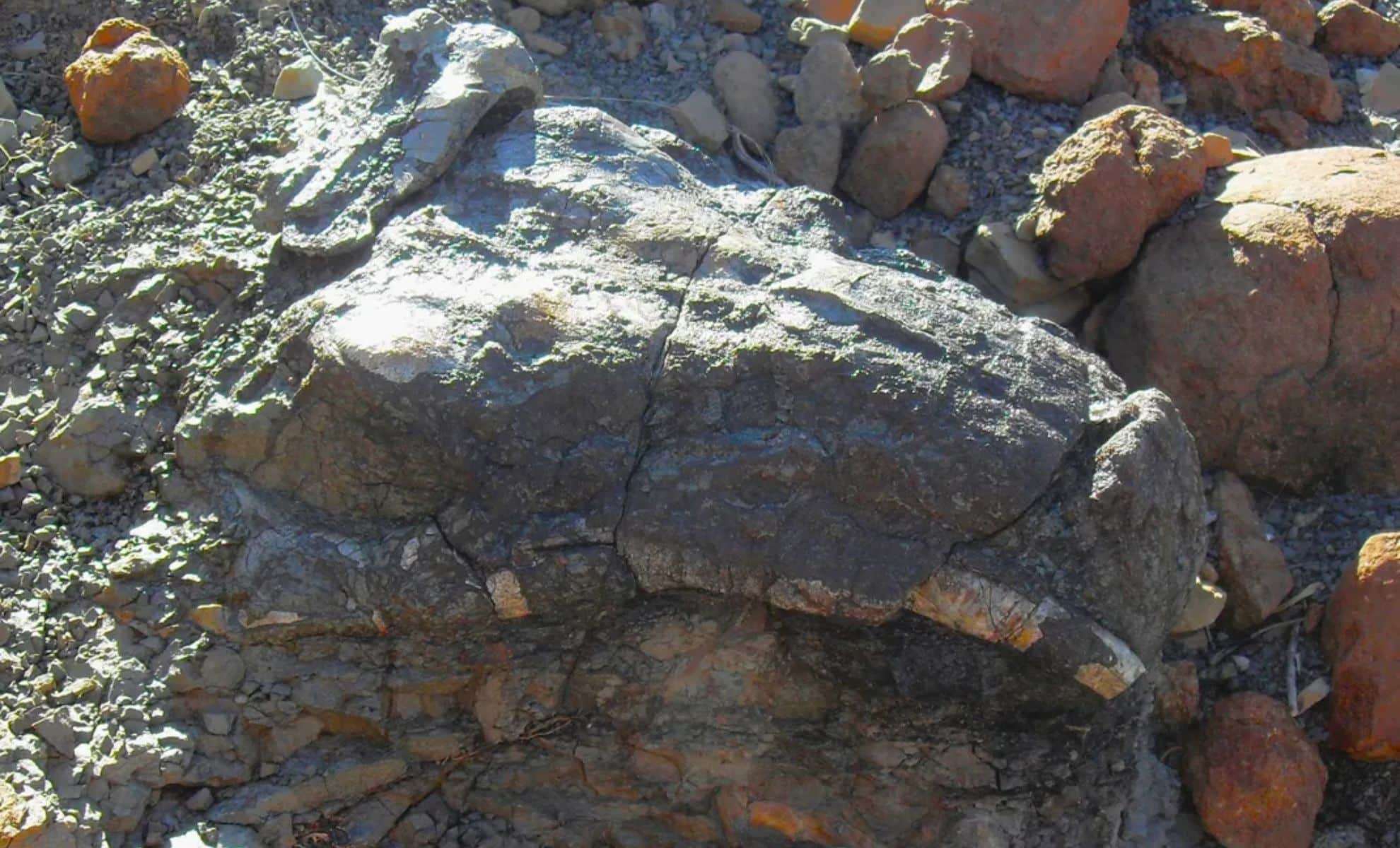
A remarkable finding in South Africa has reignited discussions about the possibility that some ancient myths were influenced by encounters with real, extinct animals. Archaeologists have identified a 200-year-old rock painting that might capture an animal featured in indigenous stories — potentially based on a genuine prehistoric species.
An Artwork Older Than Modern Science
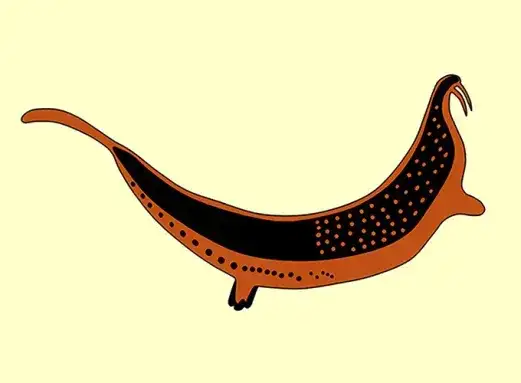
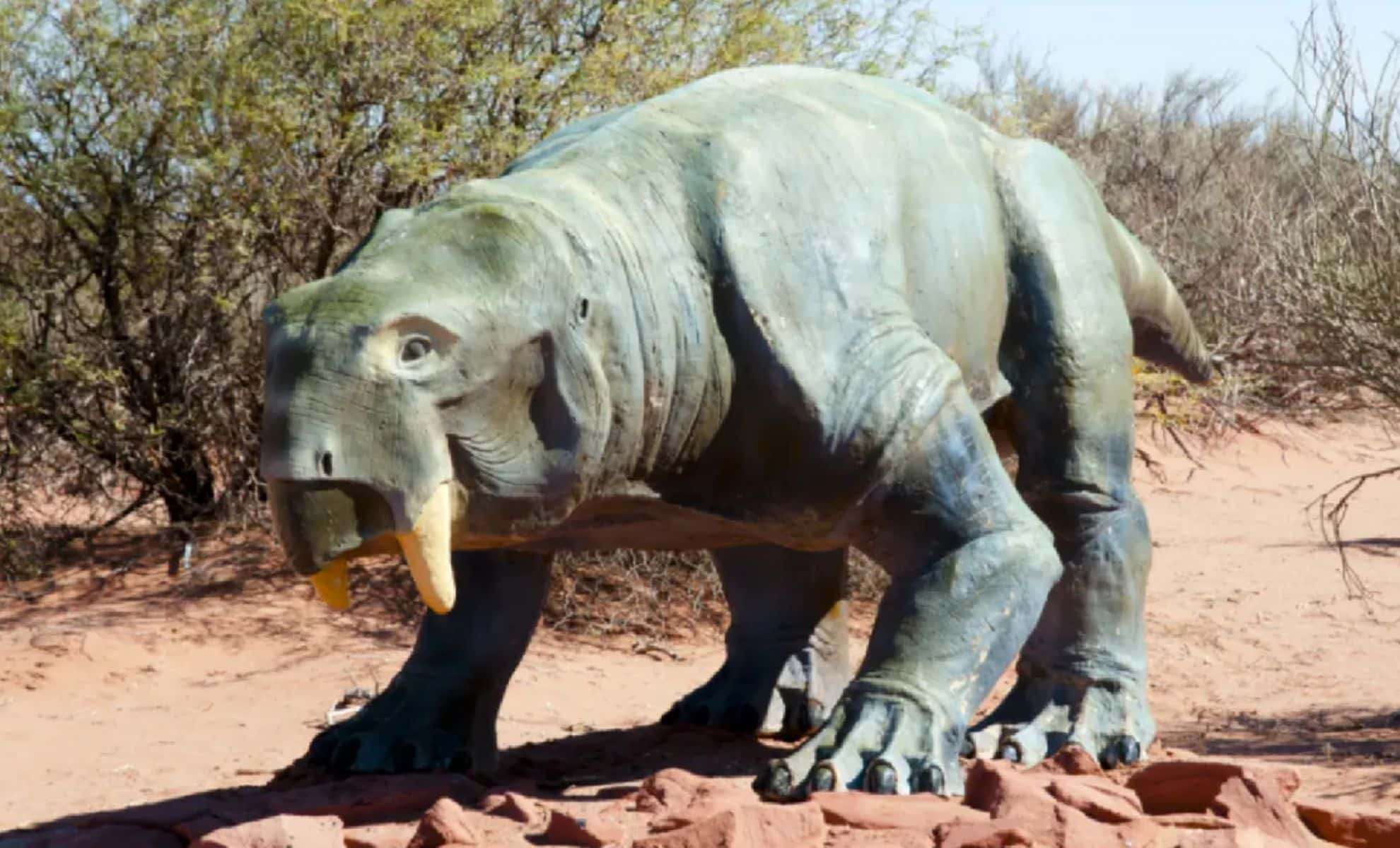
Dating from roughly 1821 to 1835, this artwork was discovered in the Karoo Basin, an area famed for its abundant prehistoric fossils. Created by the San people, it depicts a horned, tusked beast with characteristics unlike any living African species. Yet, scientists suggest the figure bears resemblance to dicynodonts, extinct herbivorous therapsids that once inhabited the region.
In a peer-reviewed article published in PLOS ONE, Julien Benoit, a paleontologist at the University of the Witwatersrand, linked the artwork’s distinct downward-curving tusks to nearby tetrapod fossil sites, reinforcing the notion that the image could be based on observation rather than pure mythology.

Spiritual Ceremonies and Ancient Fossil Interpretations
Scientists propose the discovery represents a kind of “indigenous paleontology,” where ancient communities interpreted fossil evidence within their cultural traditions. Benoit suggests that the creature portrayed was likely a “rain-animal”, integral to sacred rainmaking rituals conducted by the San people. These ceremonies often involved invoking spiritually significant animals, including ones perceived as extinct or existing in another spiritual realm.
The San worldview combined keen natural observation with symbolic and spiritual meaning, often depicting animals inspired by real physical features. Benoit states such images were “generally inspired by reality—even if extinct.” Their oral histories describe colossal, tusked beasts larger than elephants or hippos, reminiscent of the massive prehistoric dicynodonts.
Where Myth Meets Paleontological Evidence
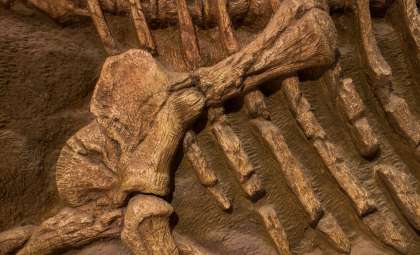
Growing research suggests indigenous peoples may have discovered fossils and woven these findings into their myths well before scientific paleontology emerged. The Karoo Basin, rich in both fossils and San cultural heritage, provides a unique site where natural history and human storytelling intersect.
This blend of ethnographic, archaeological, and paleontological evidence makes interpreting the painting particularly compelling. Benoit emphasizes the unusual tusk shape, the fossil-rich context, and San lore about a gigantic lost animal as clues hinting that the so-called Horned Serpent may represent an actual extinct creature instead of a purely fictional entity.
Ongoing investigations into these relationships might shed light on how ancient communities understood extinct species—not as vanished objects of the past, but as active elements in their spiritual and cultural landscapes.
- Categories:
- News

0 comments
Sign in to Comment