
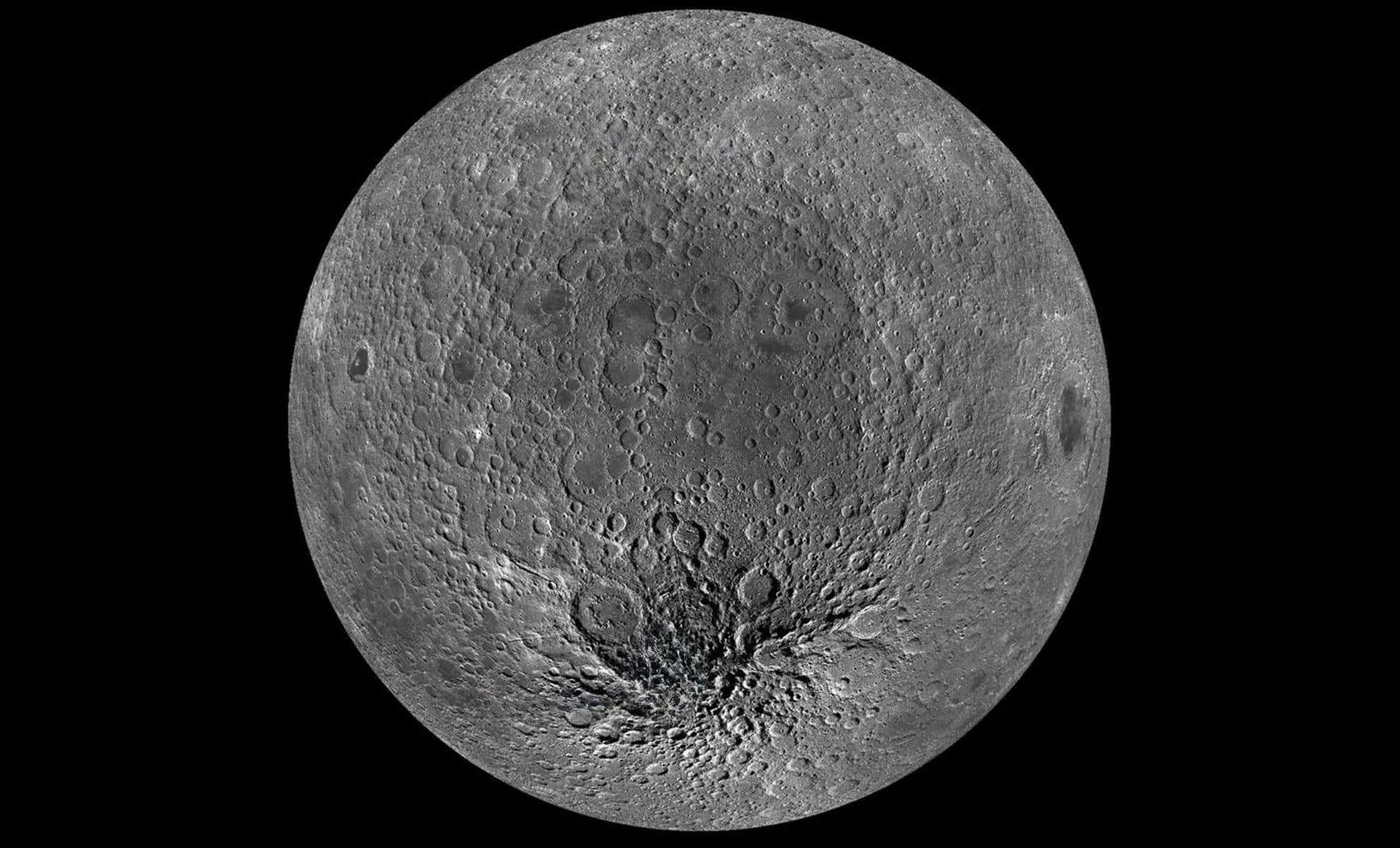
A remarkable find on the lunar surface might shed new light on the early history of Earth. The South Pole-Aitken Basin, recognized as the Moon’s largest and most ancient impact crater, could preserve fragments of a primordial magma ocean, granting unprecedented access to the Moon’s mantle. The astronauts on the forthcoming Artemis mission aim to retrieve samples from this enigmatic site, potentially uncovering vital information about how the Moon formed and its ties to Earth’s origin.
The Cataclysm That Shaped the Moon
About 4.3 billion years ago, a massive object collided with the Moon, creating the South Pole-Aitken Basin. This enormous impact blasted through the lunar crust and exposed the mantle layer underneath. Of particular interest is the possibility that material excavated contains remnants of the Moon’s late-stage magma ocean, a molten layer that once cloaked the lunar surface during its early formation.
“We propose the South Pole-Aitken [impactor] excavated a thin, late-stage magma ocean,” said Jeff Andrews-Hanna, planetary scientist at the University of Arizona. This material is pivotal for understanding how the Moon’s mantle cooled and crystallized during the earliest time of the solar system.

A New Understanding of the Basin’s Shape
The South Pole-Aitken Basin has been studied extensively, yet recent findings offer a fresh interpretation of its form and the nature of the impact. “It just took a different perspective to view the basin this way,” explains Andrews-Hanna. The basin’s distinct elongated structure hints at an oblique collision, where the impactor struck the Moon at an angle rather than vertically.
This basin is critical for investigating the closing stages of the lunar magma ocean. Andrews-Hanna’s research suggests that materials within the basin could reveal the timeline of how the molten lunar surface gradually solidified.
Peering Into the Moon’s Mantle
During the early solar system, the Moon’s mantle existed in a molten state. As it cooled, lighter minerals rose to form the crust, while heavier components sank deeper. These processes serve as key evidence for the existence of the magma ocean. Certain elements like potassium, rare earth elements, and phosphorus—collectively known as KREEP—remained concentrated in the residual melt, possibly preserved within the South Pole-Aitken Basin.
Extracting material from this site could also enhance our understanding of unexplored lunar regions. Coupled with data from other areas, scientists hope to map the internal structure and development of the Moon over billions of years.
Artemis: Pioneering Lunar Sample Return
The upcoming Artemis missions, set for 2026, will provide the first opportunity to collect precious samples from these deep lunar layers. By gathering mantle material, astronauts could clarify the timeline and impact of the lunar magma ocean on the Moon’s evolution. When compared to samples from the Procellarum KREEP Terrane (PKT) brought back during the Apollo era, these findings will illuminate different stages in the Moon’s mantle history.
“The SPA (South Pole-Aitken) will give us a precise age for this late-stage magma ocean crystallization captured by the impact,” Andrews-Hanna emphasized, stressing the value of this research in linking the Moon’s geological past with Earth’s own formation story.
- Categories:
- News










0 comments
Sign in to Comment