
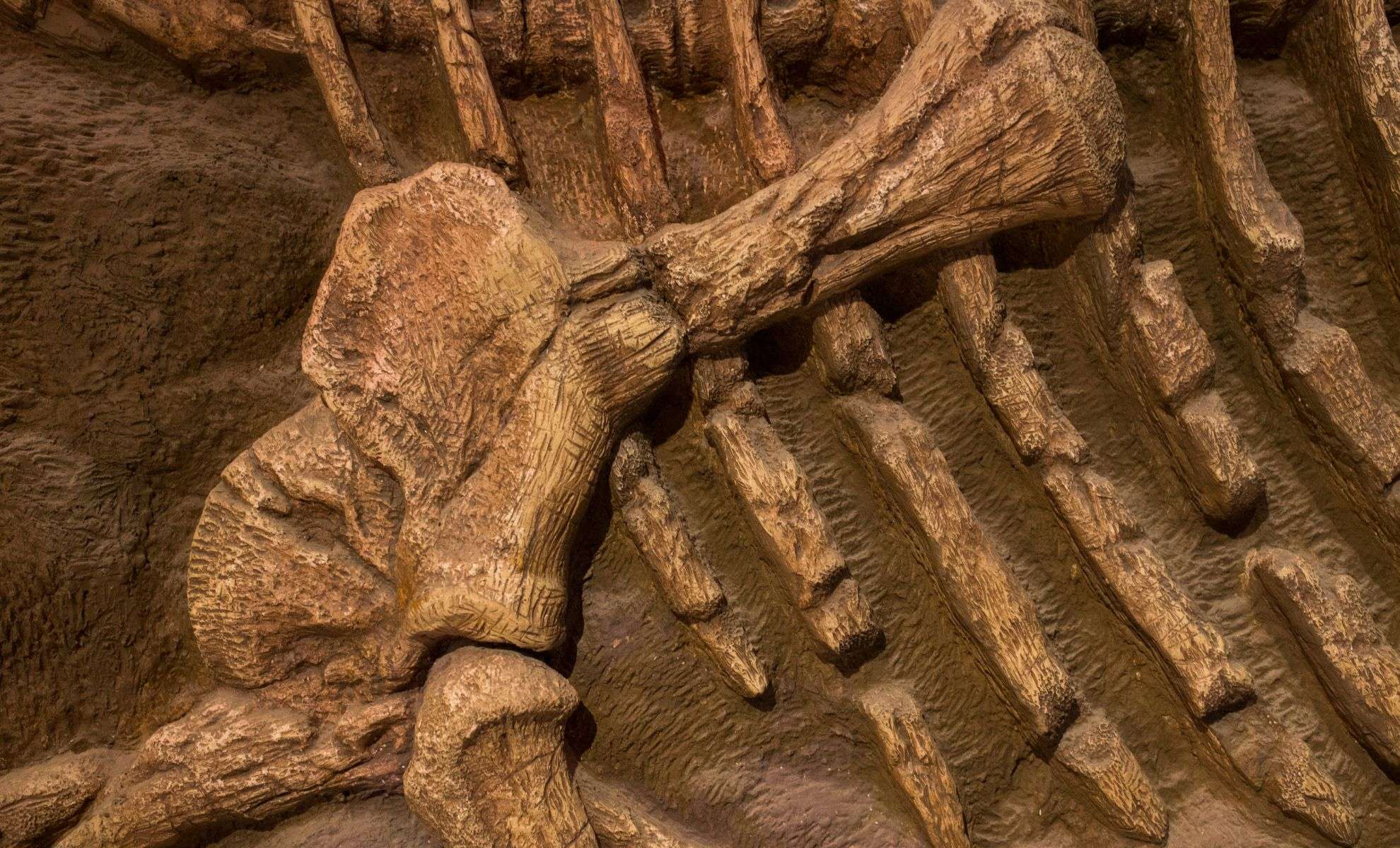
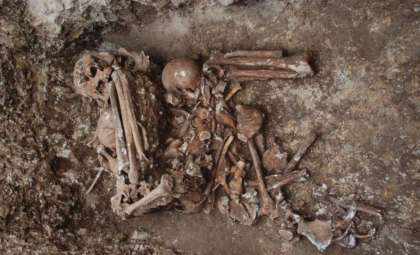
Fresh genetic data from nine ancient skeletons unearthed in South Africa are rewriting our understanding of early human migration and development in this area. These remains, found at the Oakhurst rockshelter near George along the southern coastline, date back up to 9,000 years and reveal a steady genetic lineage with little external influence until around 1,300 years ago.
Timeless Genetic Continuity Discovered
A study led by Dr. Joscha Gretzinger of the Max Planck Institute for Evolutionary Anthropology examined DNA from individuals buried at various strata within Oakhurst. The genetic patterns remained strikingly consistent over thousands of years, suggesting a stable, ongoing lineage throughout the Holocene epoch.
This contradicts earlier ideas that cultural transformations—like shifts in stone tool techniques—were driven by large waves of newcomers. Instead, findings indicate that the local populations themselves developed these innovations. According to Earth.com, these evolutionary changes occurred “without significant genetic influx,” highlighting the role of indigenous groups in shaping cultural progress.

The Introduction of External Genetic Influence Arrived Late
A pronounced genetic shift didn’t occur until roughly 1,300 years ago, coinciding with the emergence of pastoralism and agriculture. DNA evidence from East African herders and West African cultivators gradually mixed with the original inhabitants, signaling new interactions. This genetic blending intensified with increased trade and colonial contact in subsequent centuries.
Today, communities such as the Khomani and Karretjiemense retain DNA fragments directly tracing back to these ancient populations. Dr. Gretzinger emphasized that “some southern San in South Africa continue to carry this ancient, Pleistocene-era genetic heritage.”
Local Cultural Innovation Over Migration
The discoveries at Oakhurst illuminate a group that preserved its genetic identity over millennia while adapting culturally. Previously, archaeologists assumed that new tool styles and subsistence methods resulted from incoming populations. This new genetic evidence challenges that view.
Rather than new arrivals introducing technologies, local people appear to have developed and modified these independently. This shifts scientific perspectives on the durability and resourcefulness of ancient Southern African societies, especially when contrasted with the more frequent disruptions experienced in other continents during the same era.
Decoding Ancient Ancestries in Modern Populations
Modern southern African communities carry a mosaic of indigenous and non-indigenous ancestries shaped over centuries by colonization and global trade. The recent genomic insights enable researchers to disentangle these layers, uncovering the lasting genetic imprint of the region’s earliest inhabitants.
The study also parallels findings from other hunter-gatherer groups across Africa, whose ancient genetic lines provide critical context for understanding early human history. Cutting-edge computational analyses mapped shared genetic segments spanning thousands of years, confirming the persistence of these foundational lineages.
- Categories:
- News




0 comments
Sign in to Comment