
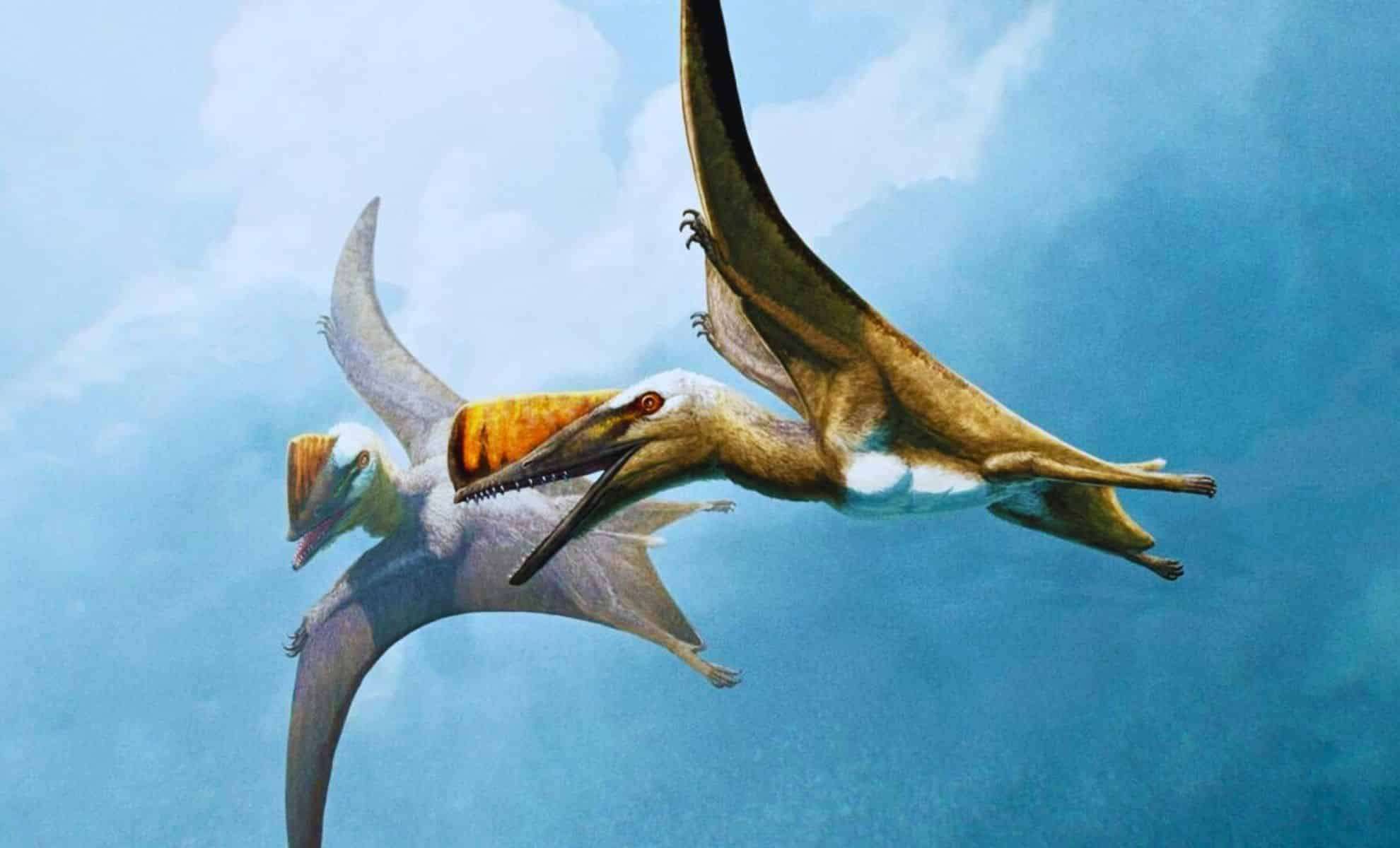
The recent uncovering of a remarkably preserved 200-million-year-old pterosaur fossil offers fresh insights into the evolutionary steps of these prehistoric flying reptiles, illuminating how they evolved from modest-sized aviators into the gigantic rulers of ancient skies.
Skiphosoura Bavarica: A Surprising Link in Pterosaur Evolution
The species named Skiphosoura bavarica, translating to “sword tail from Bavaria,” was discovered in southern Germany. This specimen is exceptional due to its almost intact three-dimensional form, a rarity among pterosaur fossils which are typically flattened. Boasting a wingspan close to two meters, comparable to a golden eagle, it represents a crucial evolutionary stage between early pterosaurs and their larger descendants, the pterodactyloids.
Unique Characteristics of the Fossil
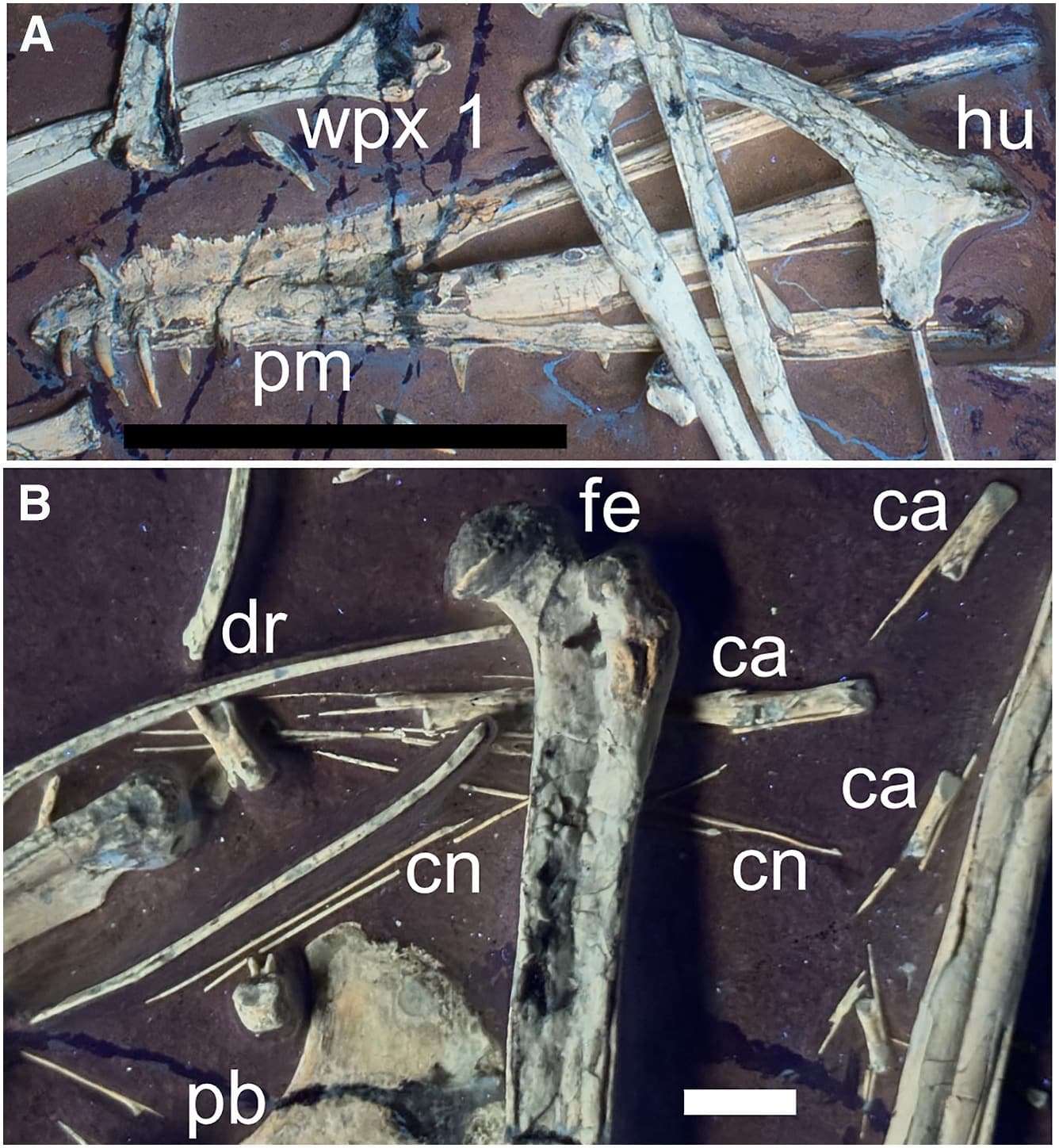
This fossil demonstrates key transitional features. Skiphosoura combines distinct traits: a head and neck resembling pterodactyloids, lengthened wrists, and shorter toes and tail—although these traits are less developed than in fully matured pterodactyloids. This mix indicates an evolutionary bridge linking early forms with the larger pterosaurs prominent in later eras. Key traits include:

- A distinctive short, rigid, and pointed tail unlike any seen in both earlier or later pterosaur varieties.
- Proof of gradual anatomical evolution culminating in larger, more specialized pterodactyloids.
Refining the Evolutionary History
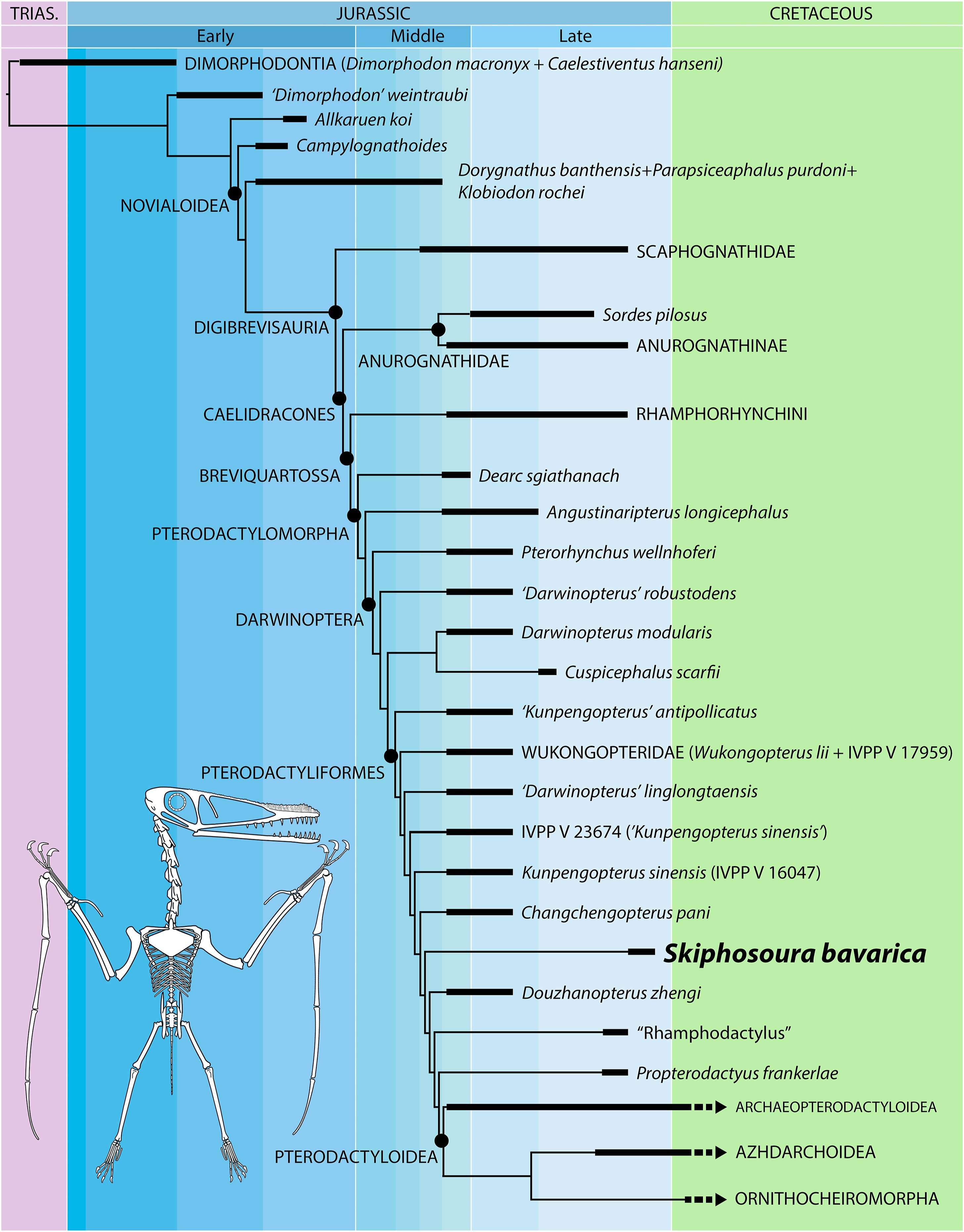
Published in Current Biology, this discovery supplements previous findings such as the darwinopterans, intermediate species illustrating key anatomical shifts. Combined, these fossils help build a more detailed evolutionary narrative, highlighting changes in neck length, head proportions, wrist structure, and tail size within the lineage.
Paleontologists can now trace how pterosaurs progressed from small, elongated-tailed flyers to majestic giants with wings reaching up to 10 meters wide.
The Teamwork Behind the Discovery
Dr. David Hone from Queen Mary University of London recognized the fossil as a pivotal piece in unraveling pterosaur evolution, commenting, “This remarkable specimen significantly enhances our understanding of how these extraordinary flying creatures adapted and thrived.” Scientists from around the globe, including those from the University of Wisconsin-Madison and the Lauer Foundation, contributed to this extensive research.
Advanced methods such as digital imaging under visible and UV light were utilized to examine the fossil’s fine details, unveiling its distinctive blend of features.
- Categories:
- Evolution











0 comments
Sign in to Comment