
Plague is often associated with medieval pandemics such as the Black Death, devastating populous cities and altering the course of history. However, a recent study featured in Nature extends this timeline much further back by analyzing ancient teeth. The findings suggest the bacterium Yersinia pestis, responsible for plague, was affecting humans approximately 5,500 years ago.
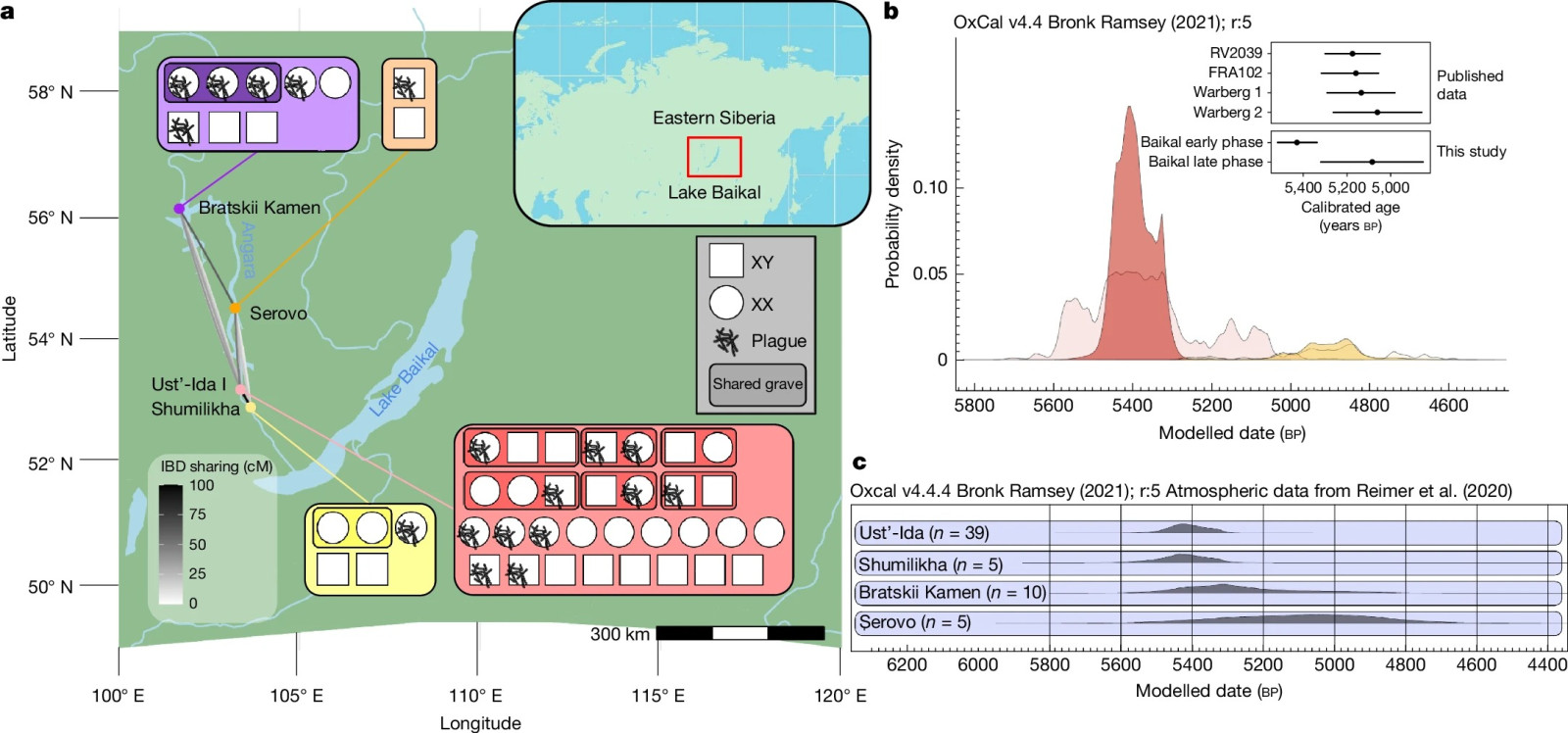
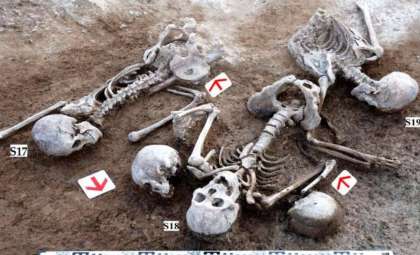
Evidence was uncovered at prehistoric hunter-gatherer burial sites near Lake Baikal in eastern Siberia. These small, mobile communities existed long before agriculture or urban centers began to form. Despite this, traces of plague were detected within their remains, specifically preserved inside teeth that endured millennia underground.
Decoding Ancient DNA in Teeth
Scientists examined the remains of 46 individuals from four different cemeteries and identified Yersinia pestis DNA in 18 samples. According to the Nature publication, nearly 40 percent of samples tested positive, which is comparatively high when measured against some medieval plague mass burial sites.

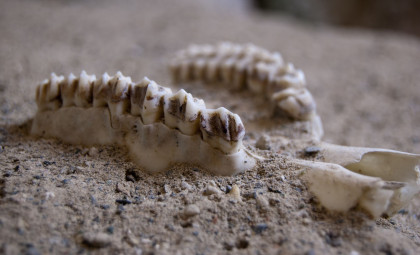
The genetic traces primarily originated from teeth, where DNA from bloodstream infections can remain intact over thousands of years. Using this material, researchers reconstructed early plague genomes and verified these strains represent some of the initial branches in the pathogen’s evolutionary lineage.
Lead author Ruairidh Macleod noted that integrating genetic analysis with archaeological and radiocarbon dating evidence enabled a detailed reconstruction of the events in these ancient communities.
“Based on the plague DNA, the genetic relationships between the victims, the archaeological analysis and the radiocarbon dating, we’ve built a really clear, complete picture of what happened during these outbreaks,” he explained.
The data implies that plague was already entrenched in human populations well before the emergence of cities or extensive trade routes.
Insights from Ancient Burial Sites Reveal Sudden Epidemics
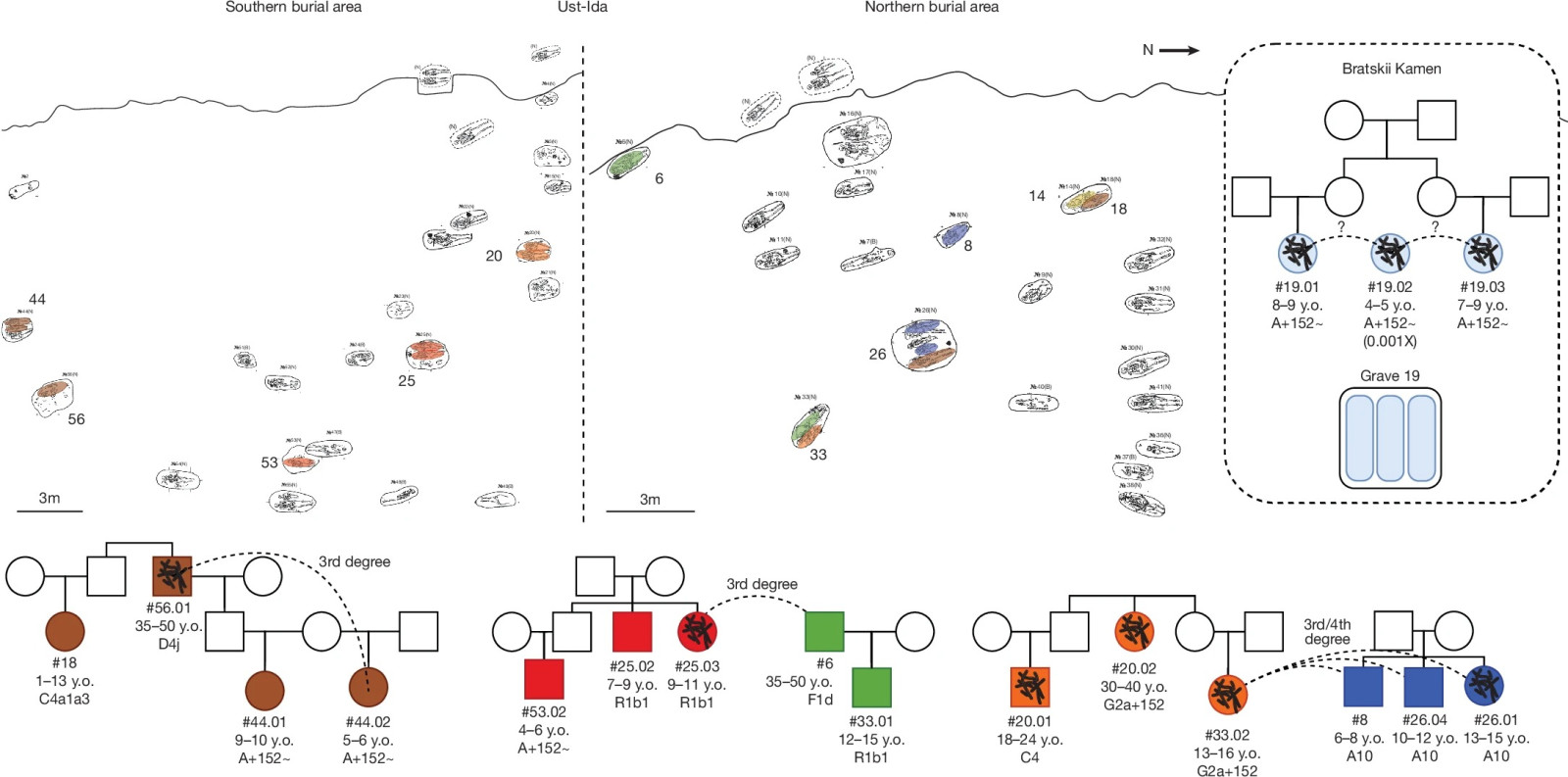
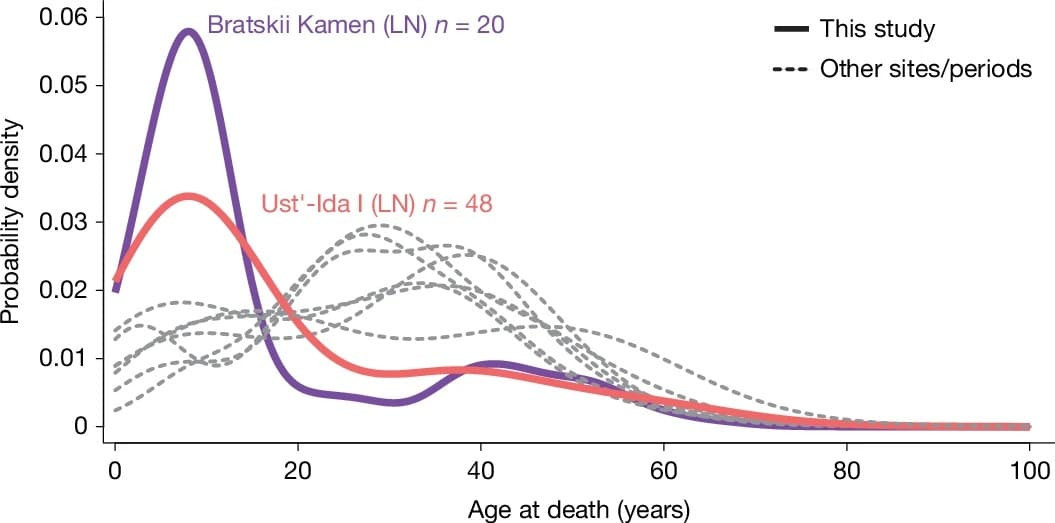
A notable discovery involved the burial grounds themselves. Two locations contained a disproportionate number of children and teenagers among the deceased, an observation that puzzled researchers for decades.
Radiocarbon analyses demonstrated that many interments occurred within a narrow timeframe, suggesting rapid mass fatality events rather than a spread over years. Frequently, relatives such as siblings or parents and children perished almost simultaneously and were buried together.
University of Alberta archaeologist Andrzej Weber commented:
“The unusually high number of children and the short timespan was a real puzzle that we’ve been trying to solve since the 1990s. Finding out that plague was the cause is extraordinary, but it makes so much sense.”
This suggests that early forms of plague detected in these teeth might have spread through mechanisms distinct from the flea-borne transmission common in later outbreaks.
An Unexpected Virulence Trait in Ancient Plague
The research uncovered a unique genetic trait in the ancient plague strains—a superantigen toxin. This element is absent from later historic variants of Yersinia pestis and may have heightened the severity of the infection.
Superantigens provoke intense immune reactions, which can cause dangerous inflammation and rapid health decline in those infected. This finding hints that the disease caused by early plague bacteria might have exhibited a distinct set of symptoms compared to the medieval plague known from historical records.
Senior author Eske Willerslev, affiliated with the University of Cambridge, stated that these prehistoric strains combined several virulence factors, enabling highly deadly outbreaks in ancient populations.
Additionally, the study supports the hypothesis that plague likely originated in Central or Northeast Asia. Archaeological findings from the Lake Baikal area show repeated interactions between hunter-gatherers and marmots, burrowing rodents known to harbor plague even today. Such contact may have caused multiple spillovers into human groups long before permanent settlements existed.
- Categories:
- Science






0 comments
Sign in to Comment