
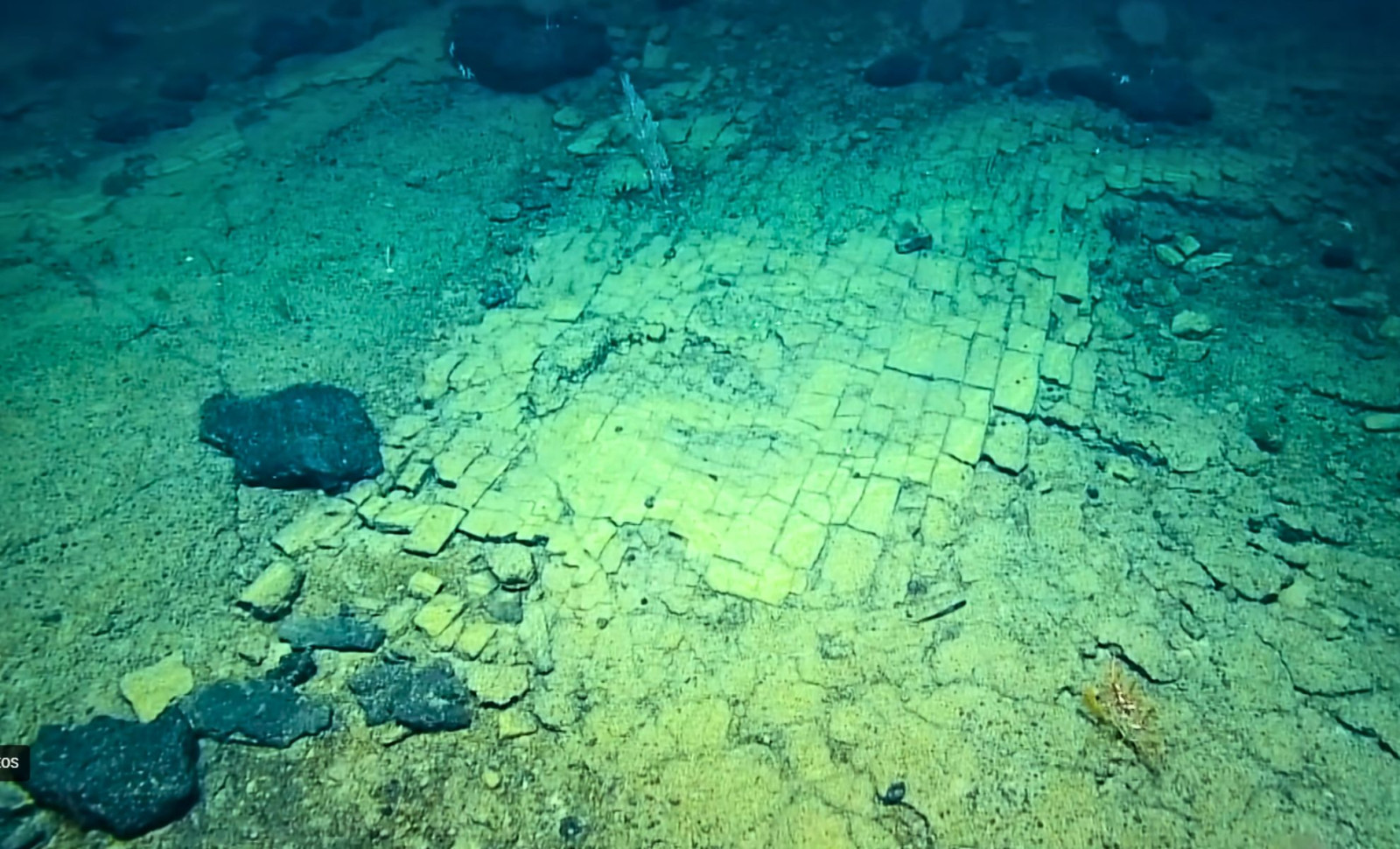
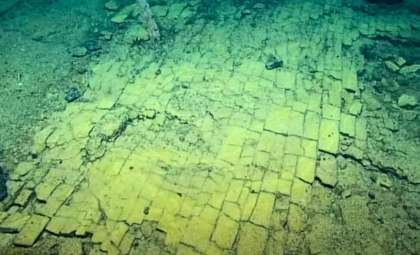
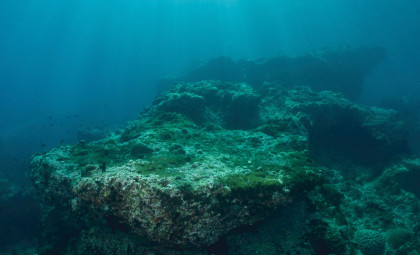
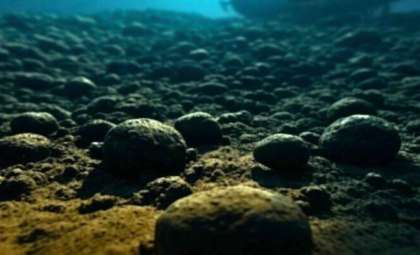
Scientists aboard the research ship Nautilus captured footage of a desiccated lakebed-like formation composed of fractured volcanic rock resting 3,000 meters deep along the Liliʻuokalani Ridge inside the Papahānaumokuākea Marine National Monument.
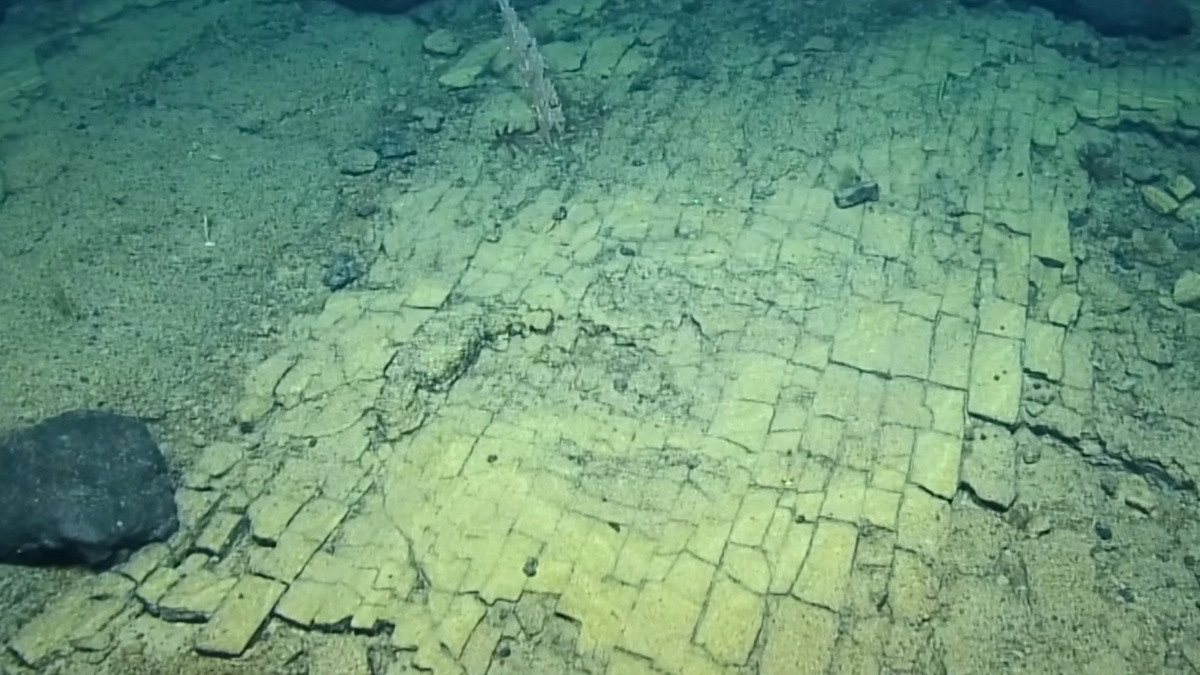
This brief 20-second clip reveals remotely operated vehicle imagery showing what team members instantly dubbed a “yellow brick road” during the live dive. The structure extends across part of Nootka Seamount’s summit—an underwater volcano located within an expanded section of the monument established by President Barack Obama in 2016. Today, the monument covers an immense 582,578 square miles of ocean—exceeding the combined size of all US national parks.
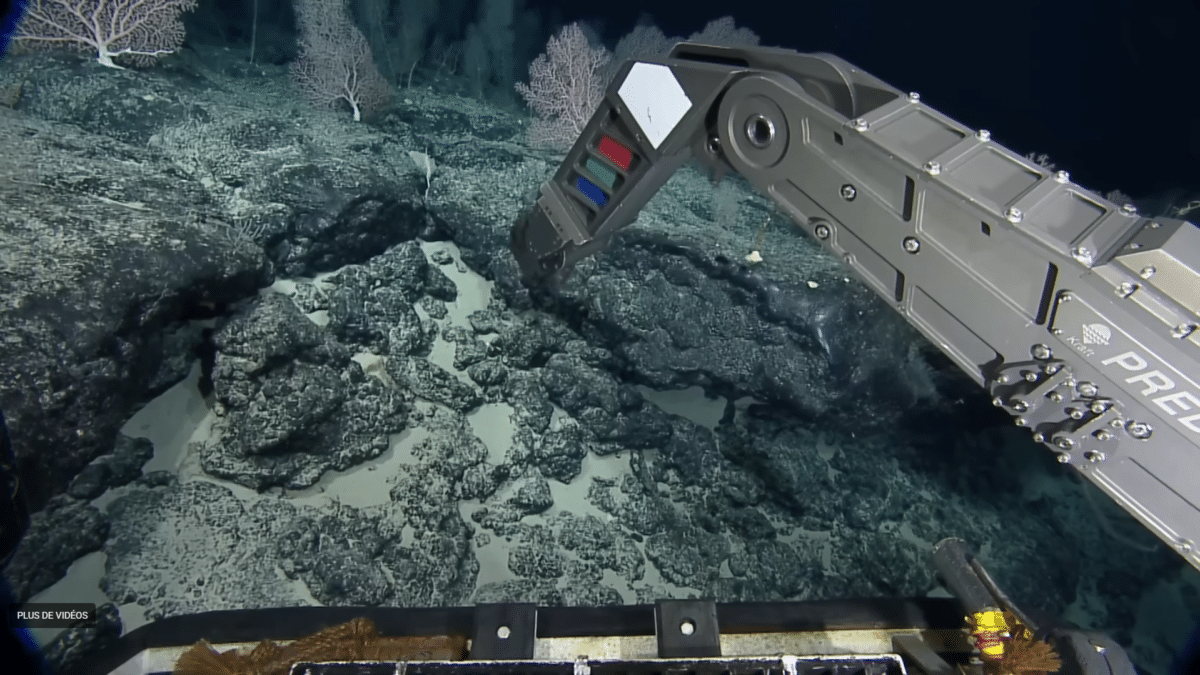
According to mission logs, this formation consists of fractured hyaloclastite rock, a type of volcanic debris formed during powerful eruptions when volatile molten rock shatters and settles underwater. The distinctive 90-degree fractures visible in the footage likely result from repeated thermal contraction and expansion, a process geologists call a baked margin.

Exploring a ‘Yellow Brick Road’ Deep Beneath the Ocean
The discovery took place on the Luʻuaeaahikiikekumu expedition, marking the first visual inspection of the Liliʻuokalani Seamounts after prior 2021 mapping using multibeam sonar, conducted by the earlier Luʻuaeaahikiikalipolipo mission. That survey unveiled unexpectedly shallow summit depths for these Cretaceous-era formations, dating back between 66 to 145 million years.
As outlined in the Papahānaumokuākea Wikipedia page, less than three percent of this monument’s seafloor has been visually examined. A 2025 publication in Science Advances estimated that across nearly seven decades of deep-sea imaging, humans have only observed between 0.0006 and 0.001 percent of the world’s deep ocean floor.
The expedition integrated cultural experts from Native Hawaiian groups, a first for Ocean Exploration Trust missions to this region, incorporating Hawaiian language and traditions. The expedition’s name, Luʻuaeaahikiikekumu, draws on references found in the Kumulipo, a traditional Hawaiian creation chant.
How the Brick Pattern Formed
Hyaloclastite forms when lava interacts with water, occurring either during underwater volcanic eruptions or when lava reaches the ocean from land. The process shatters the molten rock into angular fragments, which then fuse together. The rectilinear fracture patterns arise as the cooled material contracts.
The Nautilus Live footage description notes, “At the summit of Nootka Seamount, the team discovered a 'dried lake bed' formation showcasing distinctive 90-degree fractures, probably caused by heating and cooling stresses from multiple eruptions within this baked margin.”
The live underwater broadcast captured researchers discussing the feature in real-time. One excited scientist called it “The road to Atlantis,” followed by another asking, “The yellow brick road?” and a third exclaiming, “This is bizarre.”
The team also gathered basalt samples coated with ferromanganese crusts—mineral layers that accumulate over millions of years—from different depths along the seamount chain. Scientists are currently studying the microbial ecosystems residing within these crusts to gather baseline data essential for managing seamount habitats.
Constraints During Sampling
The 2022 research expedition faced several challenges. Visual scans were limited to the paths accessible by the remotely operated vehicle, rock sampling relied on reachable surfaces, and precise dating of rock formations is pending detailed laboratory analyses of the collected samples. According to the NA138 expedition overview, a key goal is to pinpoint the geological origins and age of these seamounts to deepen understanding of Northwestern Hawaiian Islands’ formation.
Funding comes from NOAA Ocean Exploration via the Ocean Exploration Cooperative Institute, with additional backing from the NOAA Office of National Marine Sanctuaries. The monument is co-managed by the Department of Commerce, Department of the Interior, the State of Hawaiʻi, and the Office of Hawaiian Affairs.
Ongoing sample analysis is taking place across several institutions. The findings will contribute to a 2026 review aimed at refining conservation and management approaches for the monument’s deep-sea environments.
- Categories:
- Science

0 comments
Sign in to Comment