
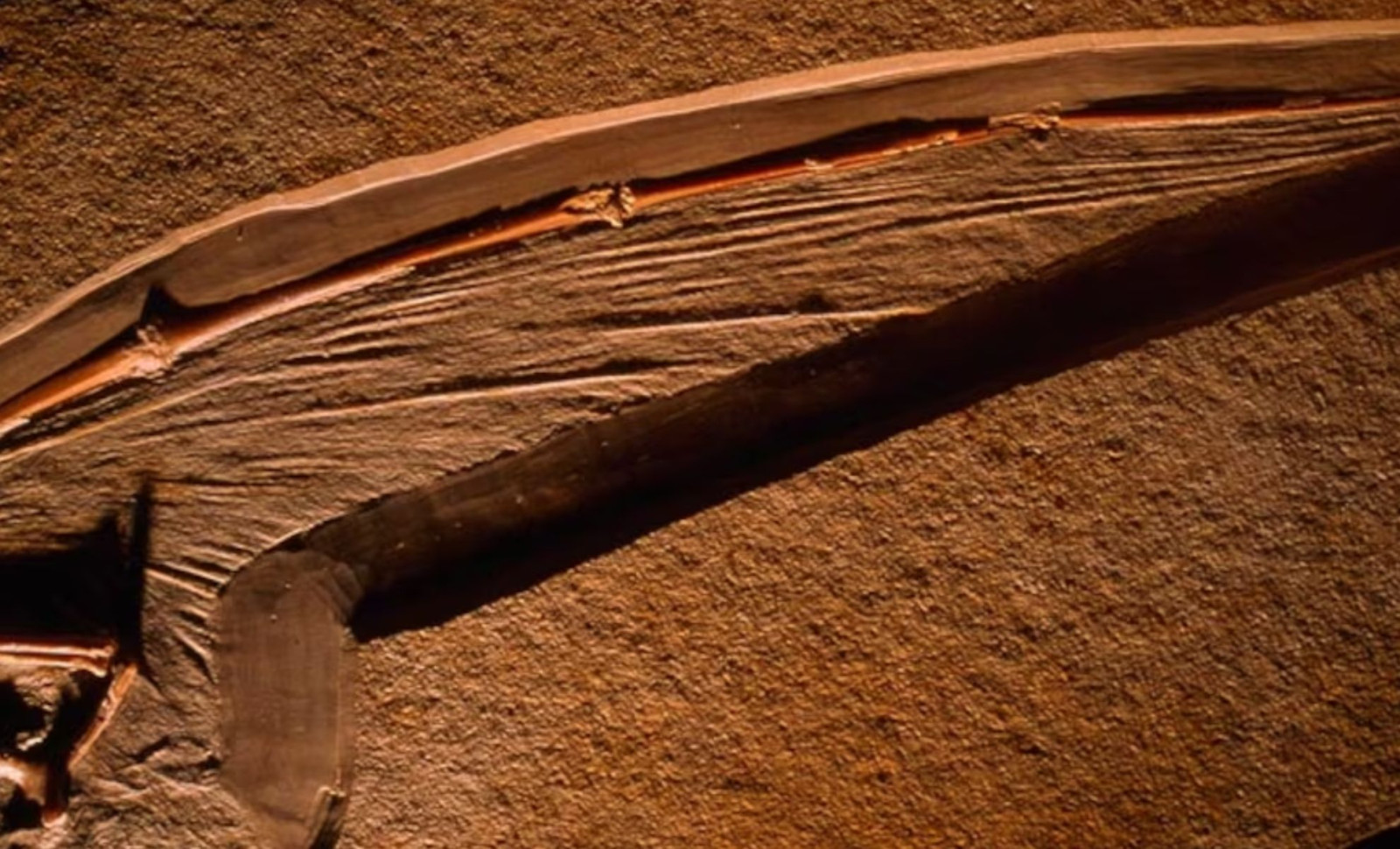
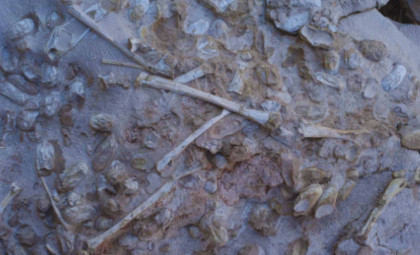
Researchers uncovered a 113-million-year-old wing bone from a pterosaur in northeastern Brazil, revealing an extraordinary preservation of not just its structural anatomy but also chemical markers linked to the animal's diet and burial process. Curtin University highlights this rare instance where anatomical and chemical details have endured over 100 million years.
Pterosaurs were prehistoric flying reptiles that coexisted with dinosaurs and were among the earliest vertebrates to achieve powered flight. Some species boasted wingspans up to 12 meters, with hollow bones that helped reduce weight in life but often complicated fossilization. These hollow bones occasionally contributed to unique preservation when conditions on the seabed were favorable.
This find is exceptional due to the survival of extensive biological data. Typically, fossils from this era lose all original organic signatures, but this specimen retains molecular remnants.

Wing Bone With Unprecedented Detail
The fossilized wing phalanx retains its three-dimensional form, avoiding the common flattening seen in ancient bones under sediment pressures. As detailed in the published research, such preservation allows scientists to examine the bone's initial architecture, revealing intricate details usually lost over millennia.
Even more striking, the team identified steroid molecules within the fossil. Lead researcher Kliti Grice, a John Curtin Distinguished Professor, summarized the significance:
“This fossil is a true time capsule—not only is it beautifully preserved, but for the first time we’ve detected traces of steroids in a pterosaur, providing further evidence that these creatures likely fed on fish or squid,” she said.
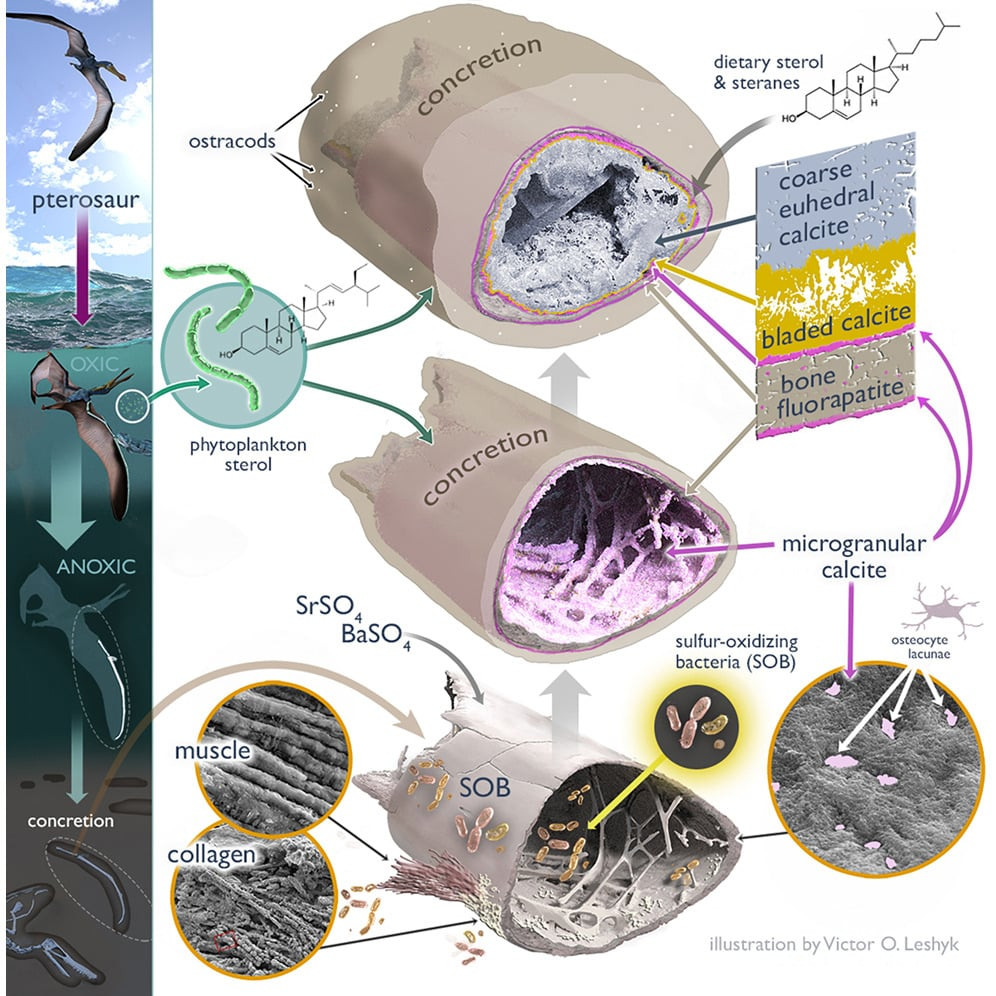
These molecules are crucial because organic compounds typically degrade long before fossils reach such an ancient age. Their preservation suggests unique burial conditions that slowed or altered decomposition, preserving traces of the ancient animal’s biological makeup.
Chemical Fingerprints Within the Wing
Following the death and seabed sinking of the pterosaur, decomposition was influenced by microbial communities rather than straightforward decay. The study highlights the pivotal role of sulfur-oxidizing bacteria in modifying the chemical environment around the remains.
Researchers from Curtin University explain these microbes altered redox conditions—essentially the balance of oxygen and other chemicals—in the sediments. This shift triggered mineral precipitation, effectively encapsulating the bone in a natural protective shell. Grice emphasized how this changes a widely held belief.
“Rather than being destroyed by oxygen, some fossils are preserved because of it, through oxidative processes carried out by ancient microbiomes.”
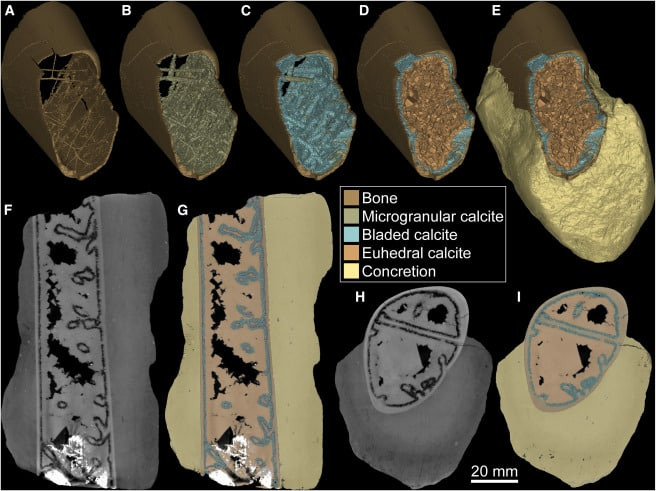
This microbial activity gradually stabilized the bone, maintaining its shape and delicate structural details.
“ Microbes, including sulfur-oxidising bacteria, began breaking down the soft tissue and fats and triggered mineralisation around the body – a process that, over time, helped preserve its structure in incredible detail for more than 100 million years,” she explained.
Insights Into an Ancient Marine Environment
The specimen was discovered in marine sediments in northeastern Brazil, indicating the pterosaur likely settled on an ancient seafloor shortly after death. This environment was critical. The combined influence of sediment, microorganisms, and chemical reactions created ideal conditions for fossilization rarely observed elsewhere.
The characteristic hollow bones of pterosaurs may have facilitated preservation by allowing mineral-rich waters to penetrate and stabilize internal architecture during mineralization.
Scientists from Brazil, Germany, and the U.S. collaborated on this study, using cutting-edge imaging and geochemical techniques at Curtin University. This multidisciplinary approach reconstructed both the fossil’s physical and chemical history.
Similar preservation patterns are now appearing at other fossil sites, suggesting this Brazilian discovery is part of a broader phenomenon.
“It adds to the growing evidence that tiny microbes played a big role in this process—something we are now identifying at other fossil sites—presenting a new global Lagerstätten mechanism, the special conditions that make exceptional preservation possible,” said Grice in a statement from the university.
- Categories:
- Science






0 comments
Sign in to Comment