
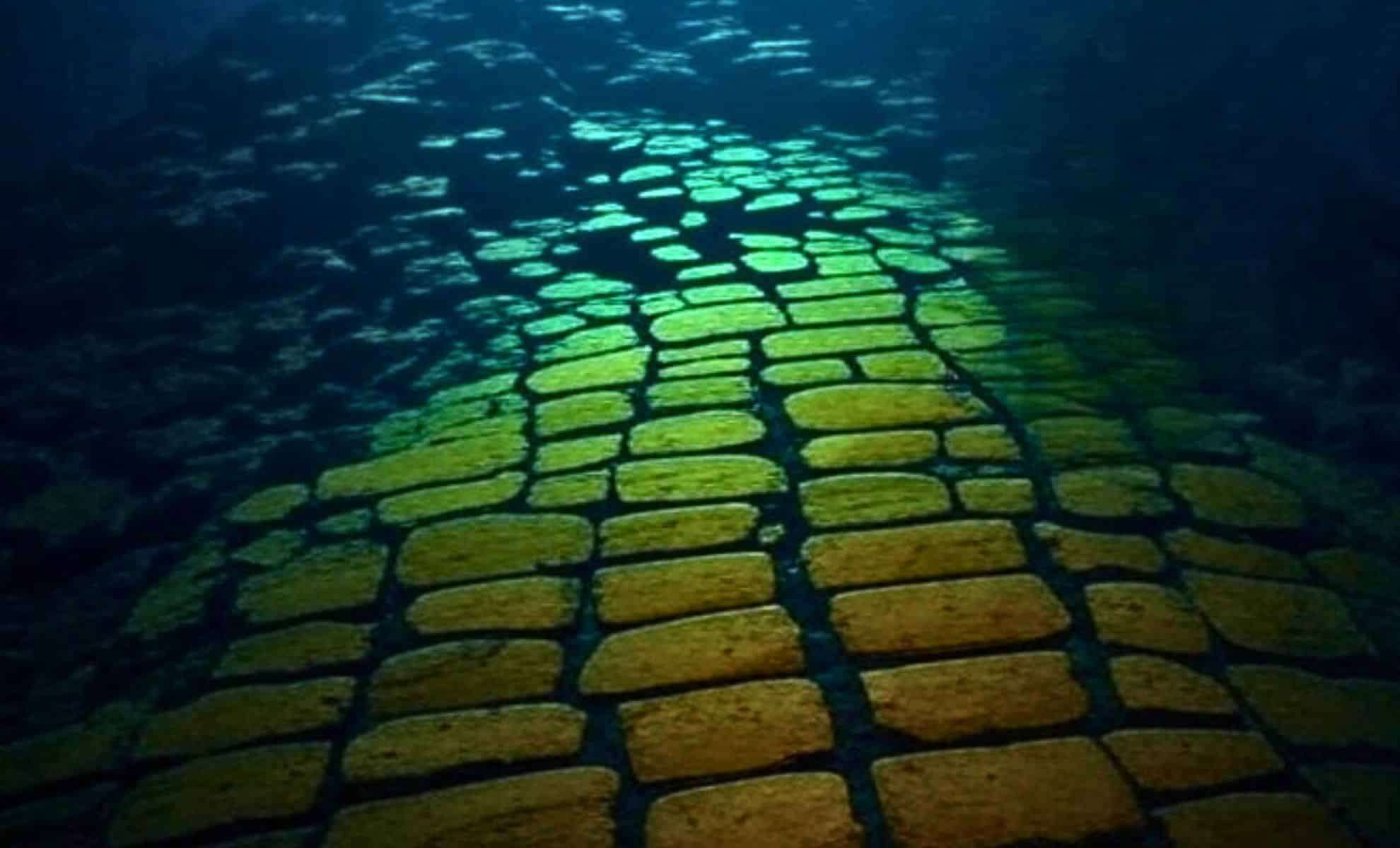
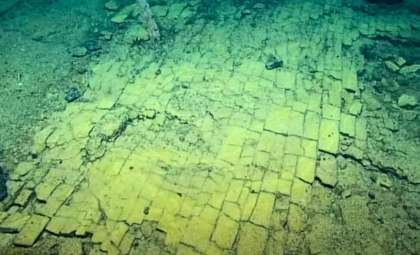
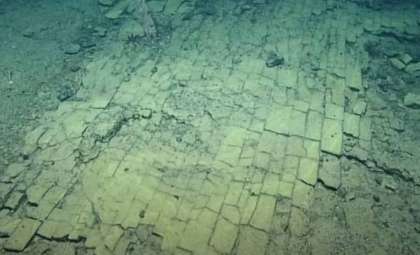
An underwater expedition near Hawaii has unveiled a remarkable natural structure on the Pacific Ocean floor that has captivated marine scientists: a formation resembling a "yellow brick road". Spotted during a 2025 mission led by the Ocean Exploration Trust, the unusual feature was captured by remotely operated vehicles exploring the summit of the Nootka Seamount, an ancient submarine volcano located within the Papahānaumokuākea Marine National Monument.
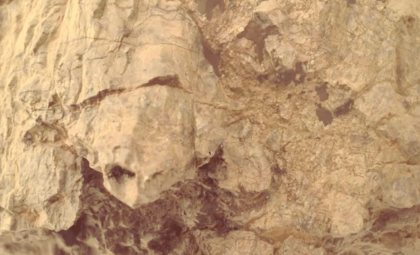
This peculiar scene, surprisingly orderly and almost artificial in appearance, looked like a trail carefully constructed across the seabed. While it prompted a flurry of “Wizard of Oz” references on social media, researchers attribute the phenomenon to a natural process. The team aboard the E/V Nautilus explains that what seemed like deliberate paving stones is actually hyaloclastite—a fragile volcanic rock created when lava erupts underwater. Cycles of heating and cooling then fractured the surface into distinct, blocky segments.
“This isn’t a pathway leading to legendary cities,” joked one scientist during the live dive stream, “but it’s certainly a sight unlike anything we've encountered at this depth.” The formation was documented live on Nautilus Live, which broadcasts real-time footage from the team’s explorations.

Exploring the Pacific’s Underwater Volcanic Landscape
The expedition, named Luʻuaeaahikiikekumu, marked the inaugural scientific study of the Liliʻuokalani Ridge, a largely uncharted volcanic ridge stretching across the central Pacific. While the formation’s road-like appearance was unexpected, the area holds immense geological significance. Nootka Seamount, site of the discovery, dates back over 50 million years and was shaped by ancient plate tectonics and mid-ocean ridge activity.
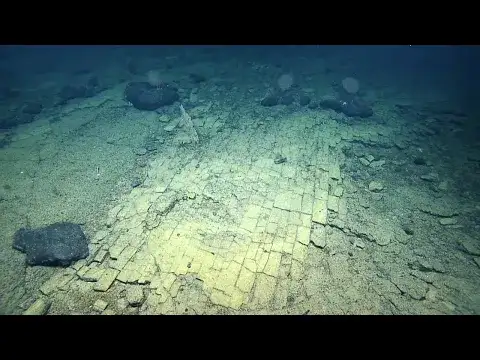
The blocky structure consists of ferromanganese crusts enriched with valuable rare-earth metals such as cobalt and tellurium—elements gaining attention amid growing interest in deep-sea mining. Samples retrieved during the dives are now being studied to decode their composition and geological origin.
“This formation perfectly demonstrates how geology can create fascinating illusions,” said Dr. Nicole Raineault, Chief Scientist at Ocean Exploration Trust, during a briefing after the dive. “What looks artificial is simply nature’s handiwork over vast geological timeframes.”
The find also illuminates a regional geological enigma: a curious bifurcation in seamount chains that some experts believe may signal unknown shifts in the Pacific Plate’s historical movement.
Technology Meets Ocean Life and Minerals
The survey was far more than a visual adventure. The E/V Nautilus, a 64-meter research ship outfitted with advanced HD cameras, robotic manipulators, and multibeam sonar, collected mineral specimens and created detailed seafloor maps. Scientists successfully gathered samples of manganese oxide crusts, which are crucial for understanding the ocean’s role in carbon and trace metal cycles.
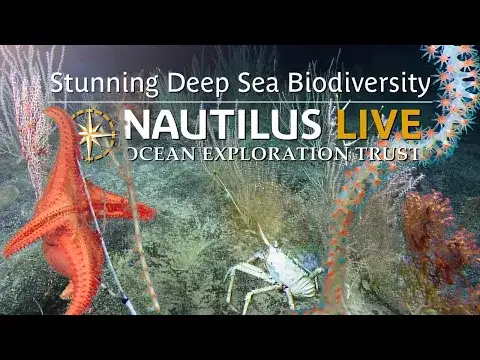
In addition to geology, the expedition encountered remarkable marine life. Earlier dives recorded footage of a “headless chicken monster”—a deep-sea swimming sea cucumber (genus Enypniastes) known for its translucent, ethereal body. Despite the playful nickname, these creatures serve as important indicators of deep-sea ecosystem health.
Streaming such discoveries live has helped broaden public engagement with oceanography. Since starting in 2009, Nautilus Live has attracted millions of viewers, inviting teachers, students, and artists to join expeditions through fellowships and internships.
Those interested in witnessing this extraordinary discovery can watch the dive footage and commentary archived on EV Nautilus’s official YouTube channel, offering an exclusive glimpse into one of this year’s most captivating deep-sea finds.


0 comments
Sign in to Comment