
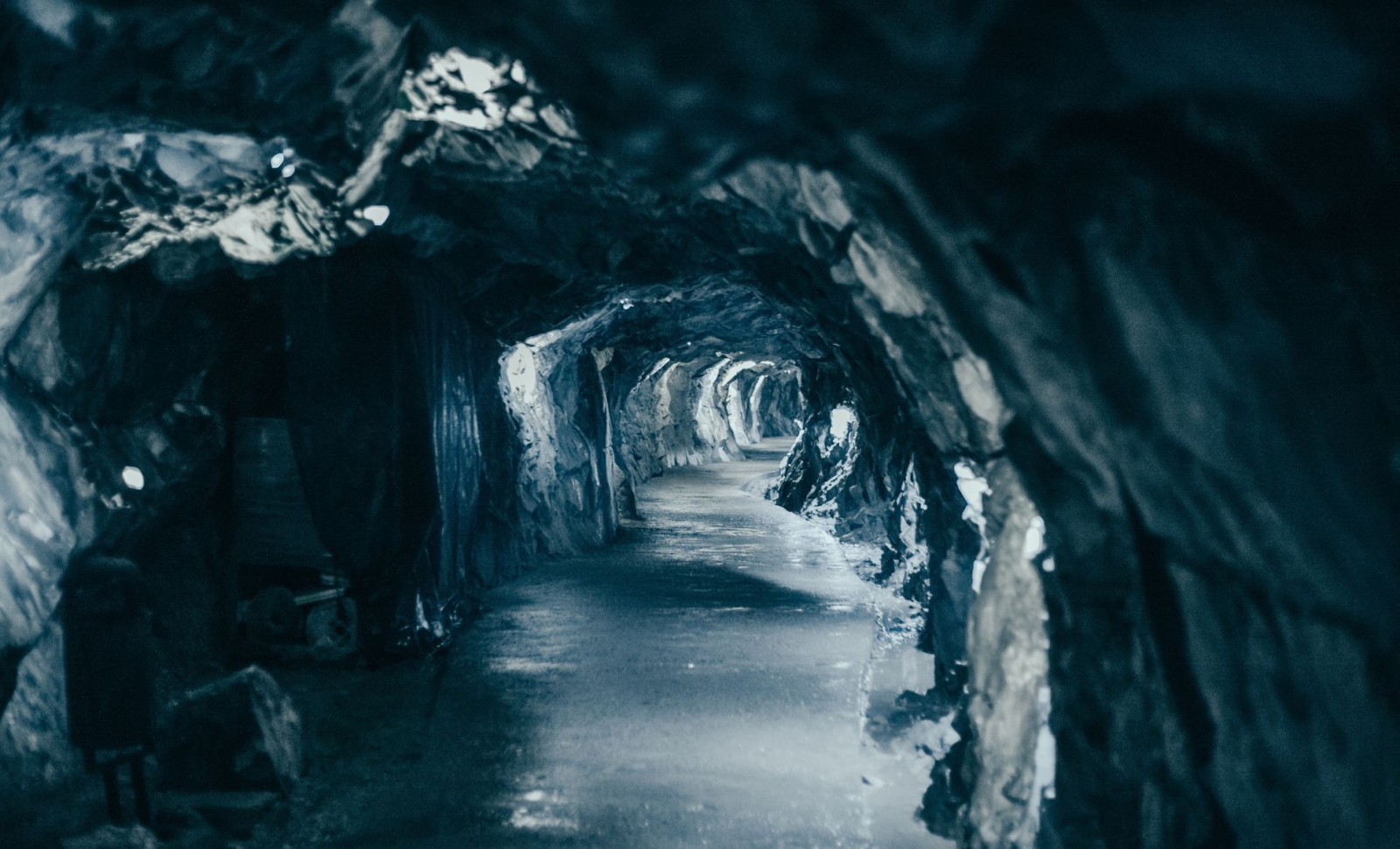
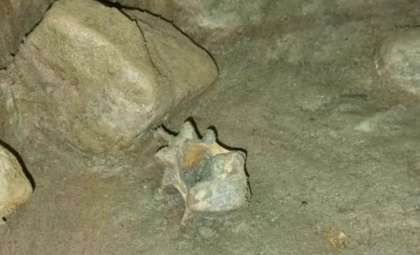
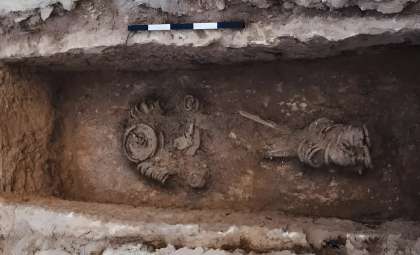
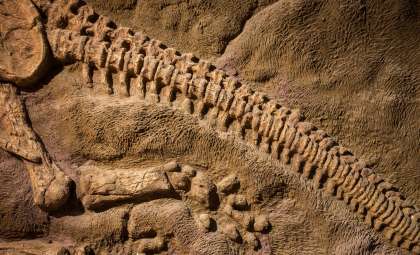
In a remote cave in Northern Norway, scientists have uncovered evidence of an ancient Arctic ecosystem dating back roughly 75,000 years. This remarkable find includes fossilized remains from 46 animal species. Detailed in a study published in the Proceedings of the National Academy of Sciences (PNAS), the research centers on excavations conducted at the Arne Qvamgrotta cave. Experts believe this site offers one of the earliest preserved glimpses into an Arctic environment of that era.
Investigating ancient Arctic habitats often proves challenging due to the scarcity of remains older than 10,000 years. Consequently, this discovery holds significant scientific value. The assemblage recovered in Norway captures a diverse assortment of creatures that coexisted during a period when glaciers had receded from the coastal landscape.
By analyzing physical bones alongside preserved ancient DNA, researchers identified the species present and gleaned insights into their fates over time.

An Unexpectedly Diverse Faunal Assembly
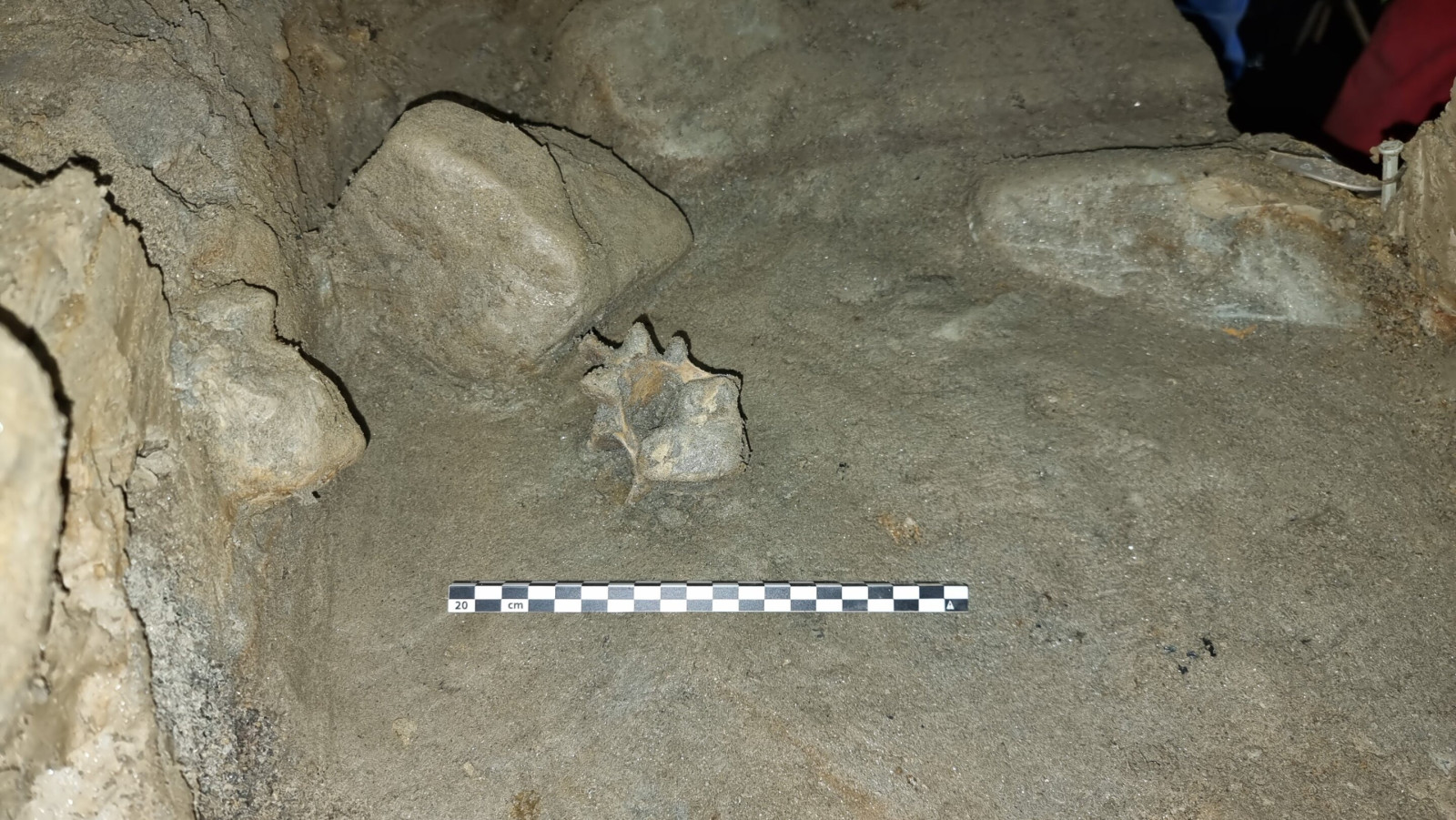
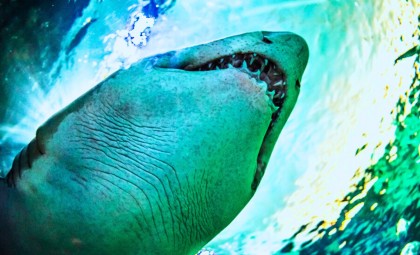
The fossils retrieved from the cave represent 46 distinct animals, spanning large marine mammals, birds, and fish. The study featured in PNAS highlights species such as polar bears, walruses, bowhead whales, Atlantic puffins, common eiders, rock ptarmigans, and Atlantic cod. Among the most notable discoveries were collared lemmings—a species now extinct in Europe and previously undocumented in Scandinavia.
“This cave has now revealed a diverse mix of animals in a coastal ecosystem representing both the marine and the terrestrial environment,” said Professor Sanne Boessenkool of the University of Oslo.
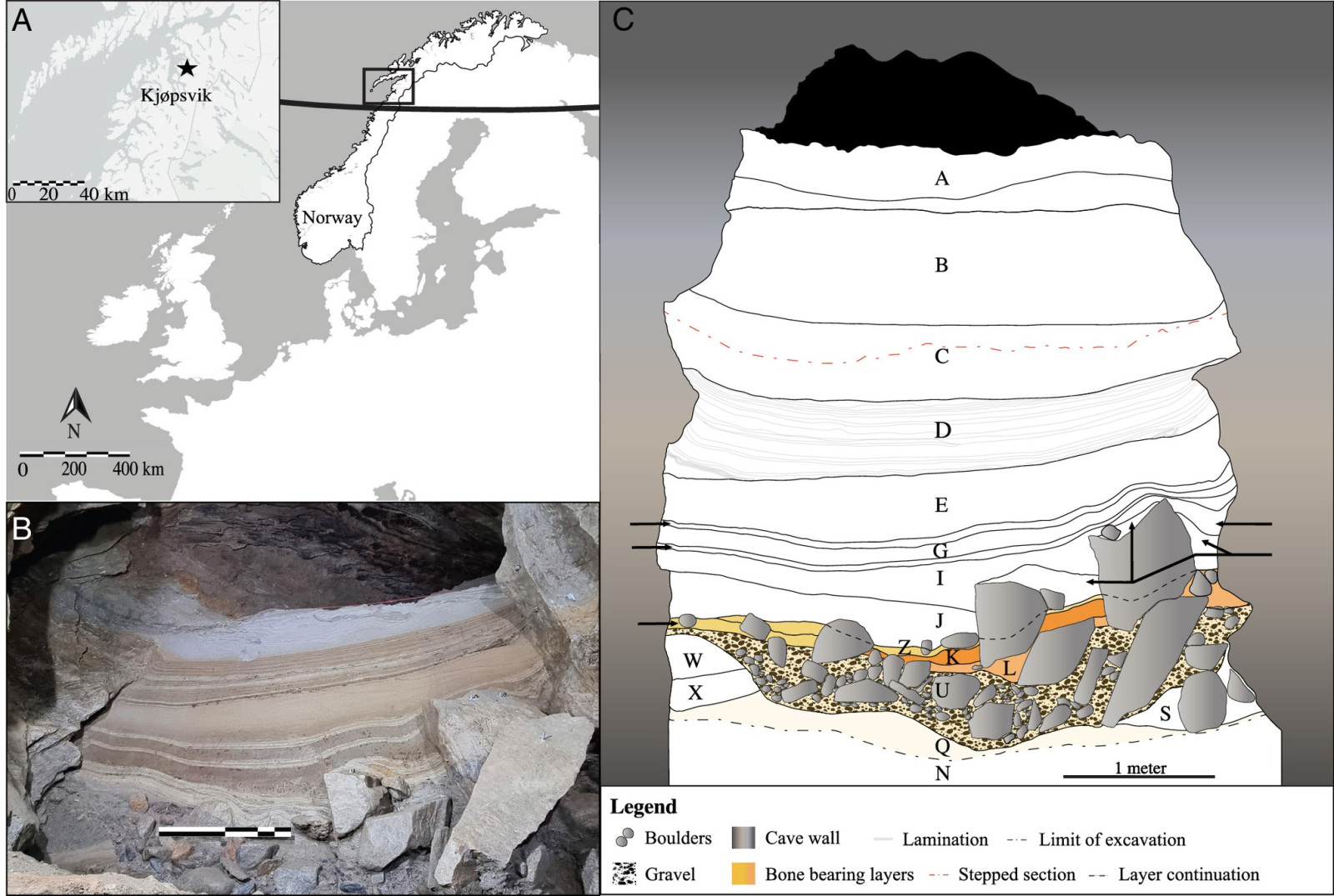
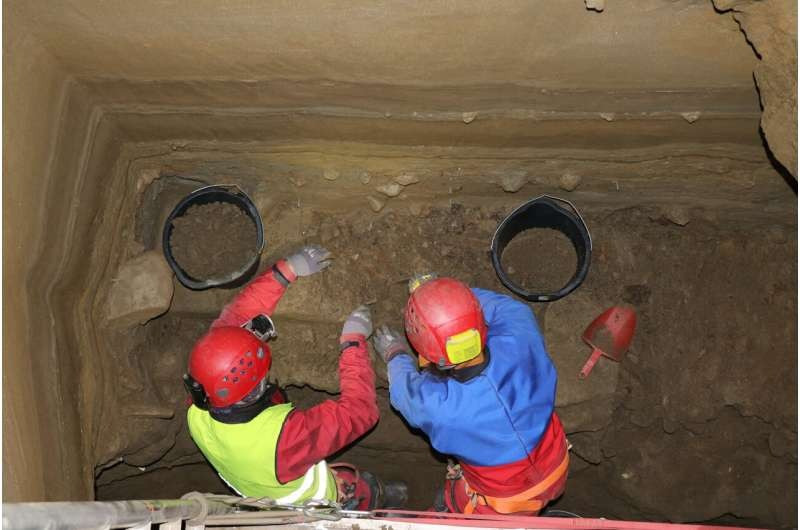
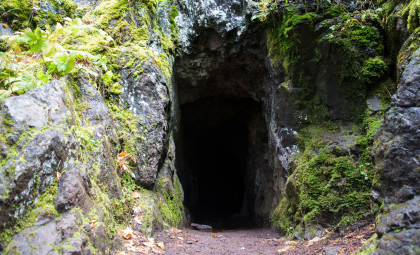
The cave came to light in the 1990s unexpectedly during mining operations that involved building a tunnel through a mountain nearby. Although it had been known for decades, extensive excavations only took place in 2021 and 2022, providing fresh insights.
Ancient DNA Reveals Lost Arctic Populations
Beyond bone analysis, researchers examined ancient genetic material preserved within the fossils. This DNA evidence suggests the animal groups inhabiting the region 75,000 years ago did not survive the return of colder climatic conditions. The findings reveal that while species colonized the area following glacier retreat, they ultimately disappeared as the ice advanced once again.
Lead researcher Dr. Sam Walker from Bournemouth University and the University of Oslo described the find as “a rare snapshot of a vanished Arctic world.”
The genetic data is particularly critical given the scarcity of remains from this timeframe. In the study’s commentary, Professor Boessenkool emphasized the limited direct evidence available for Arctic life during this Ice Age phase due to the rarity of well-preserved fossils.
An Environment Molded by Ice, Water, and Tundra
The recovered animal remains provide insight into the landscape of Northern Norway 75,000 years ago. Scientists propose that the coastline was mostly free of ice, making it a hospitable environment for migratory reindeer. The presence of freshwater fish indicates the existence of lakes and rivers scattered throughout tundra regions.
Several species also point to the presence of sea ice offshore. For example, bowhead whales and walruses depend on icy marine habitats. Yet the discovery of harbor porpoise remains, which typically avoid ice-covered waters, suggests the sea ice was likely seasonal rather than year-round.
The research sheds light on how these species reacted to environmental shifts. Dr. Walker explained:
“This highlights how cold-adapted species struggle to adapt to major climatic events. This has a direct link to the challenges they are facing in the Arctic today as the climate warms at a rapid pace.” Adding that, “the habitats these animals in the region live in today are much more fractured than 75,000 years ago, so it is even harder for animal populations to move and adapt.”
Professor Boessenkool pointed out that the changes documented in the cave reflect a shift towards colder conditions.
“These are cold-adapted species—so if they struggled to cope with colder periods in the past, it will be even harder for these species to adapt to a warming climate,” she said.
- Categories:
- Science







0 comments
Sign in to Comment