
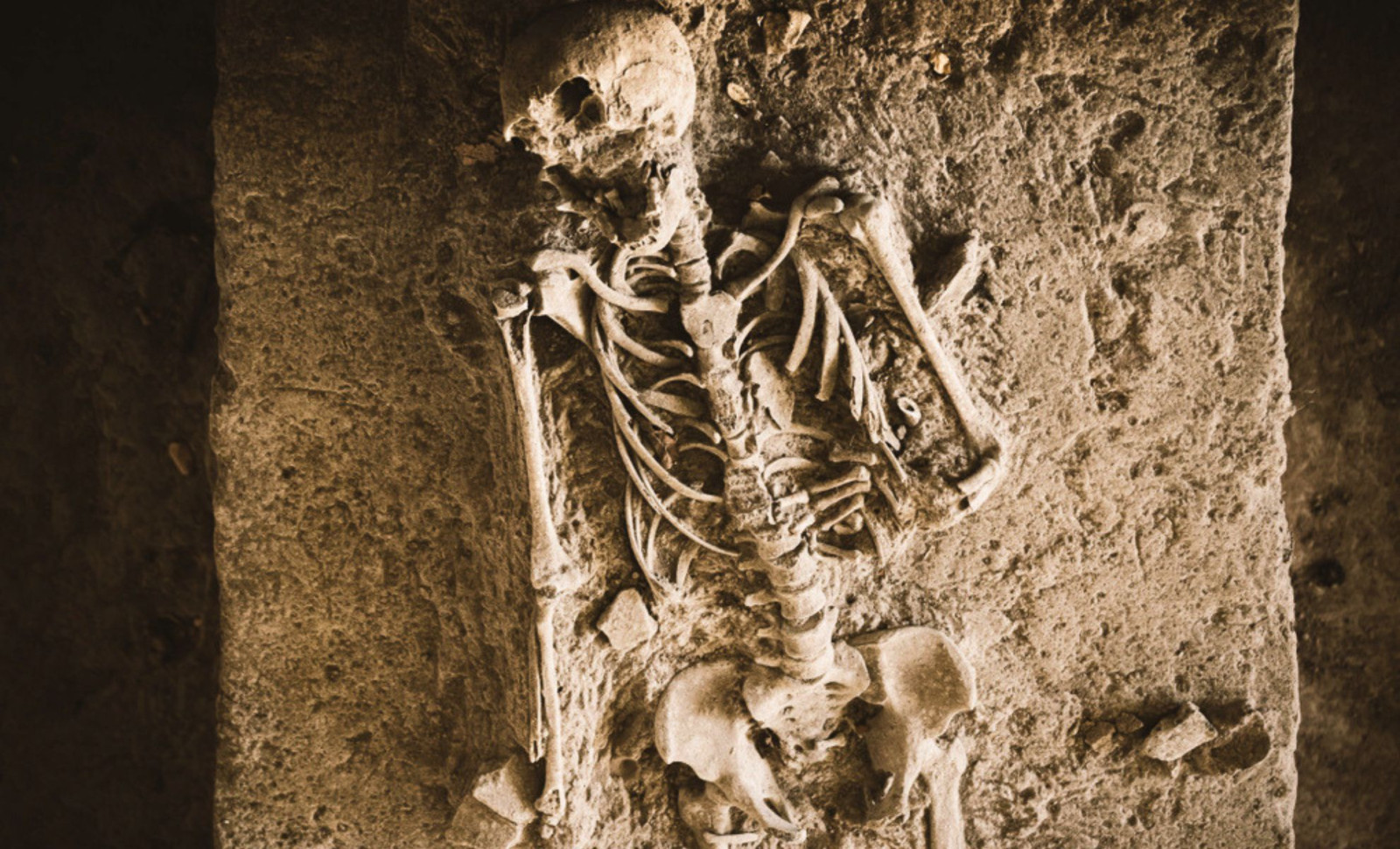
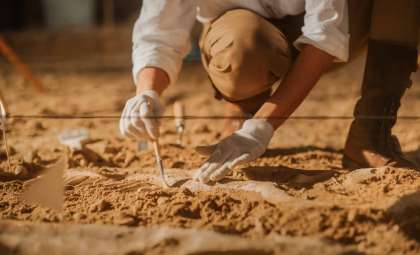
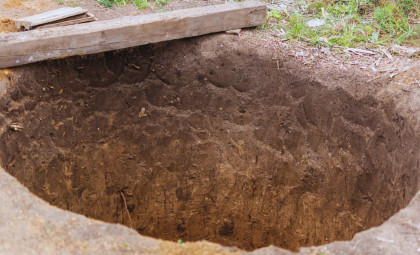
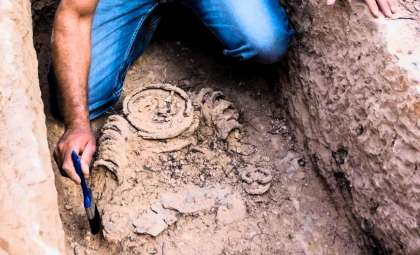
Initial indications weren't artifacts like pottery or coins but rather human bones: a pile of skulls, a "stacked collection of legs", and four whole skeletons found in a single pit about three miles south of Cambridge. This burial site emerged unexpectedly during a 2025 excavation by University of Cambridge students at Wandlebury Country Park, transforming a routine training dig into an investigation of violence, identity, and ambiguous deaths dating back to around the 9th century AD.
The University of Cambridge Department of Archaeology suggests this pit could be a Viking-age execution site, although the evidence defies straightforward interpretation. Over ten individuals, predominantly young men, were represented by the skulls recovered. Many skeletons display signs of violent trauma, complicating the narrative.
This discovery puzzles experts as diverse clues point to multiple scenarios. One man was evidently beheaded, some remains reveal potential battle wounds, limbs and other body parts were found either separated or in clusters, and a distinctly tall young man appears to have survived an ancient cranial surgery before being placed face down in the pit.

Rather than a conventional "Viking burial," this is a turbulent mass interment from a fraught era when whether these were Saxons, Vikings, executed captives, war casualties, or a mix remains uncertain.
From a Recognized Hillfort to a Site of Bloody Deposit
The excavation was directed by Dr. Oscar Aldred from the Cambridge Archaeological Unit, working at Wandlebury, a place better known for its Iron Age hillfort ramparts constructed a millennium before the Viking era. Despite the age gap, the site likely retained significance as a notable gathering spot in early medieval times.
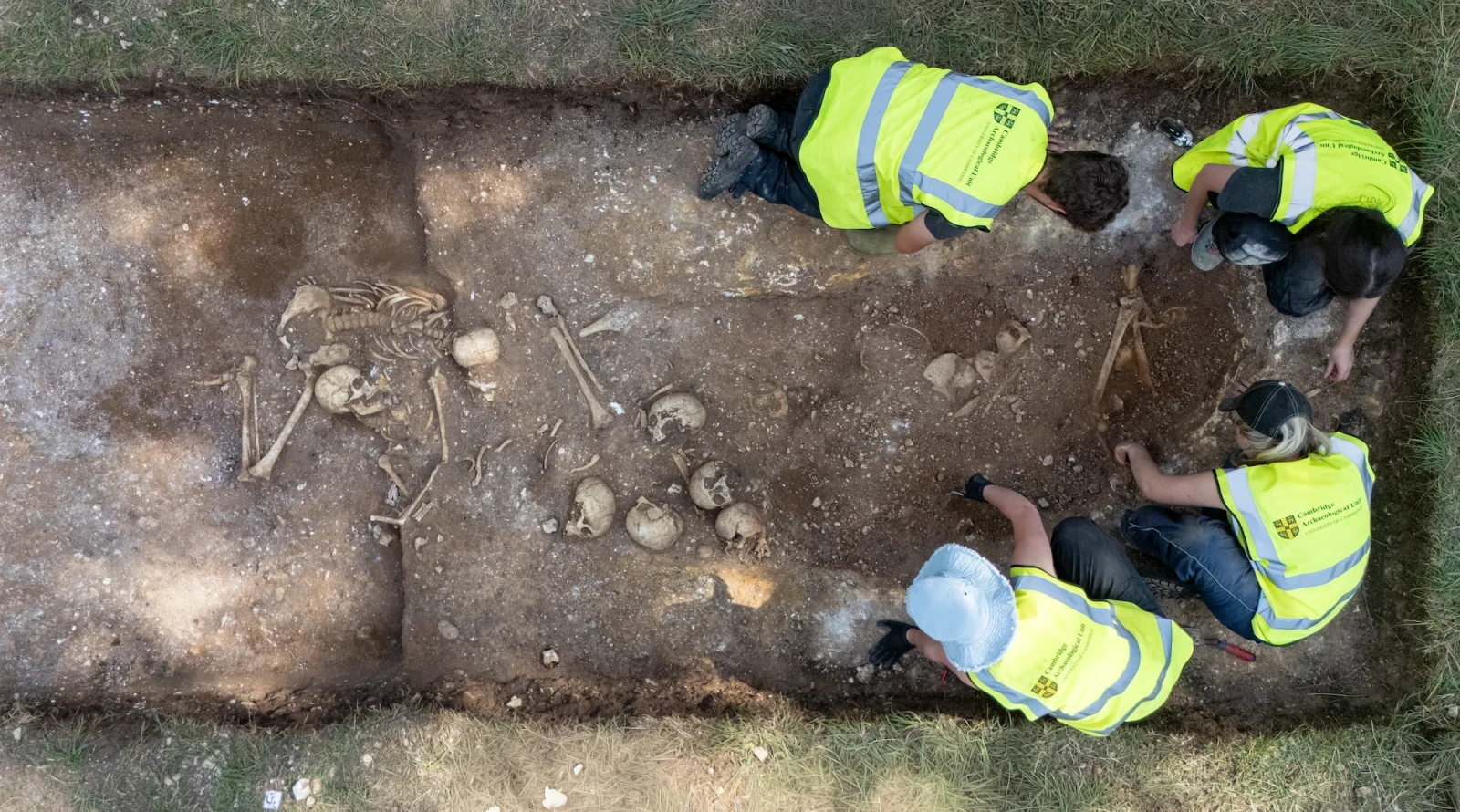
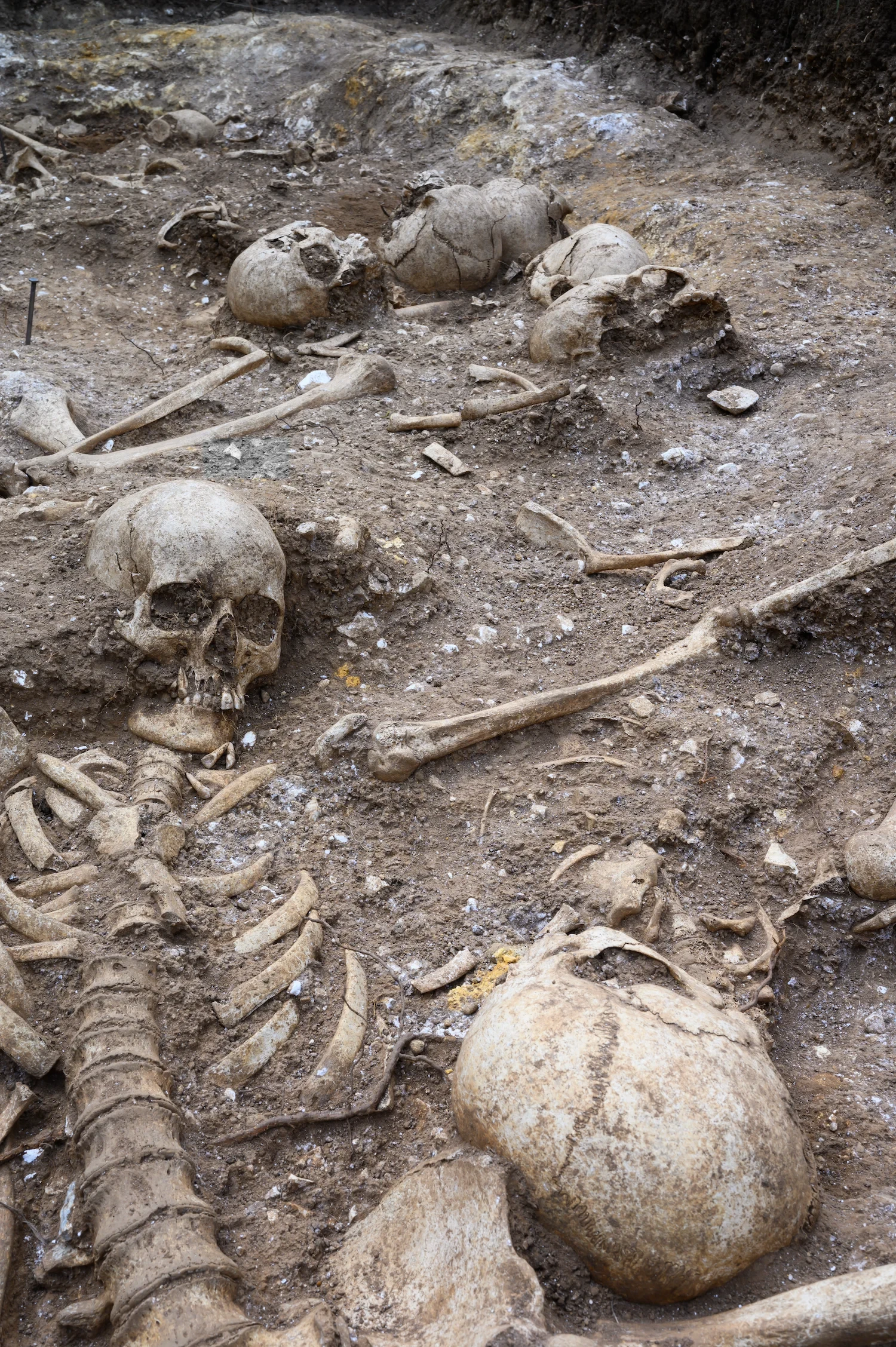
This historical background shapes interpretations of the pit. If Wandlebury remained a landmark, the burial may have been intentional rather than random. The arrangement differed from typical cemetery patterns, with a mix of intact skeletons, loose skulls, and stitched-together limbs, ribs, and pelvis bones suggesting violent disruption or postmortem manipulation.
The contrast with the initial student expectations is striking. Early in the dig, one student remarked that the most exciting find was a 1960s candy lid. By project's end, it had yielded what Cambridge called the most important and grim discovery at Wandlebury in several years of student-led digs.
The Gigantic Skeleton Shows Evidence of Ancient Brain Surgery
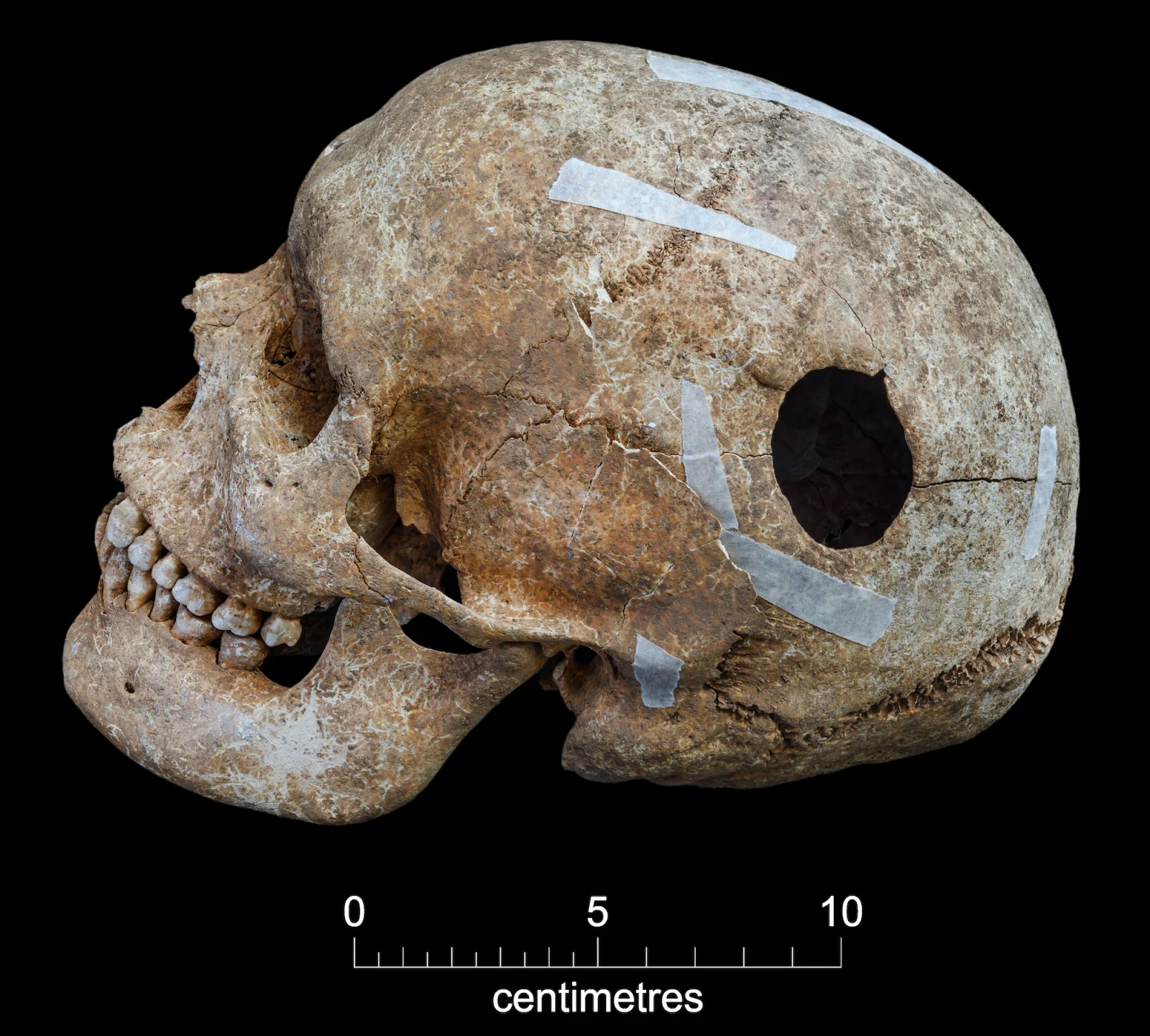
Among the complete skeletons, one belonged to a male aged between 17 and 24 who stood about 6 feet 5 inches tall, significantly taller than the era’s average male height of roughly 5 feet 6 inches. Found face down in the pit, this individual is remarkable not only for his stature but also because he might have lived with a rare growth disorder.
Dr. Trish Biers, curator of the Duckworth Collections at Cambridge, suggests he may have suffered a pituitary gland tumor causing excess growth hormone production. This hypothesis is based on analysis of his limb bones’ elongated structure, although it remains unconfirmed.
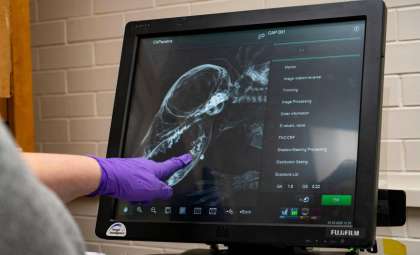
This tall man’s skull reveals a large oval perforation about 3 cm across on the left rear side, identified as trepanation, an ancient surgical technique where a hole is made in the living skull. Signs of healing indicate he survived for a period after this operation rather than dying immediately.
Clear Signs of Violence, but Uncertain Circumstances
Certain facts about the pit are clear: at least ten individuals contributed to the collection of skulls, one man was decapitated with evident jaw chop marks, several showed wounds consistent with fighting, and some skeletons were arranged in ways that might indicate restraint or binding.
However, interpretations remain open. Aldred noted that severed heads, disarticulated limbs, ribs, and pelvis fragments alongside the four corpses, including at least one likely bound individual, point towards gruesome violence and perhaps execution. He also suggested that some detached body parts might have been trophies displayed before burial with the others.
Conversely, the bones don’t conclusively support every violent narrative. Aldred mentioned limited evidence for deliberate dismemberment, suggesting decomposition before burial may have caused some body parts to detach naturally. This implies the deposit may reflect a combination of killing, later handling, and natural decay rather than a singular dismemberment event.
Situated Near a Historic Viking-Saxon Border
The burial’s date is significant since Cambridge was a contested zone marked by Saxon and Viking clashes. Cambridge stated the remains may coincide with a timeframe when the area was near the border between the Mercian Saxons and the Viking-conquered East Anglia around 870 AD.
In the late 8th century, Cambridge was under Mercian rule. Between 874 and 875 AD, the famed Viking Great Army encamped near the city and plundered it. Subsequently, Cambridgeshire became part of the Viking kingdom of East Anglia and stayed under Viking rule into the early 10th century as part of the Danelaw territory.
This historical context provides a likely scenario but doesn't confirm who these individuals were. Radiocarbon dating places some remains within this period, yet the lack of grave goods prevents definitive identification. The burial fits a Viking-era backdrop of conflict and change, but the identities of those interred have yet to be confirmed as Viking.
- Categories:
- Science







0 comments
Sign in to Comment