
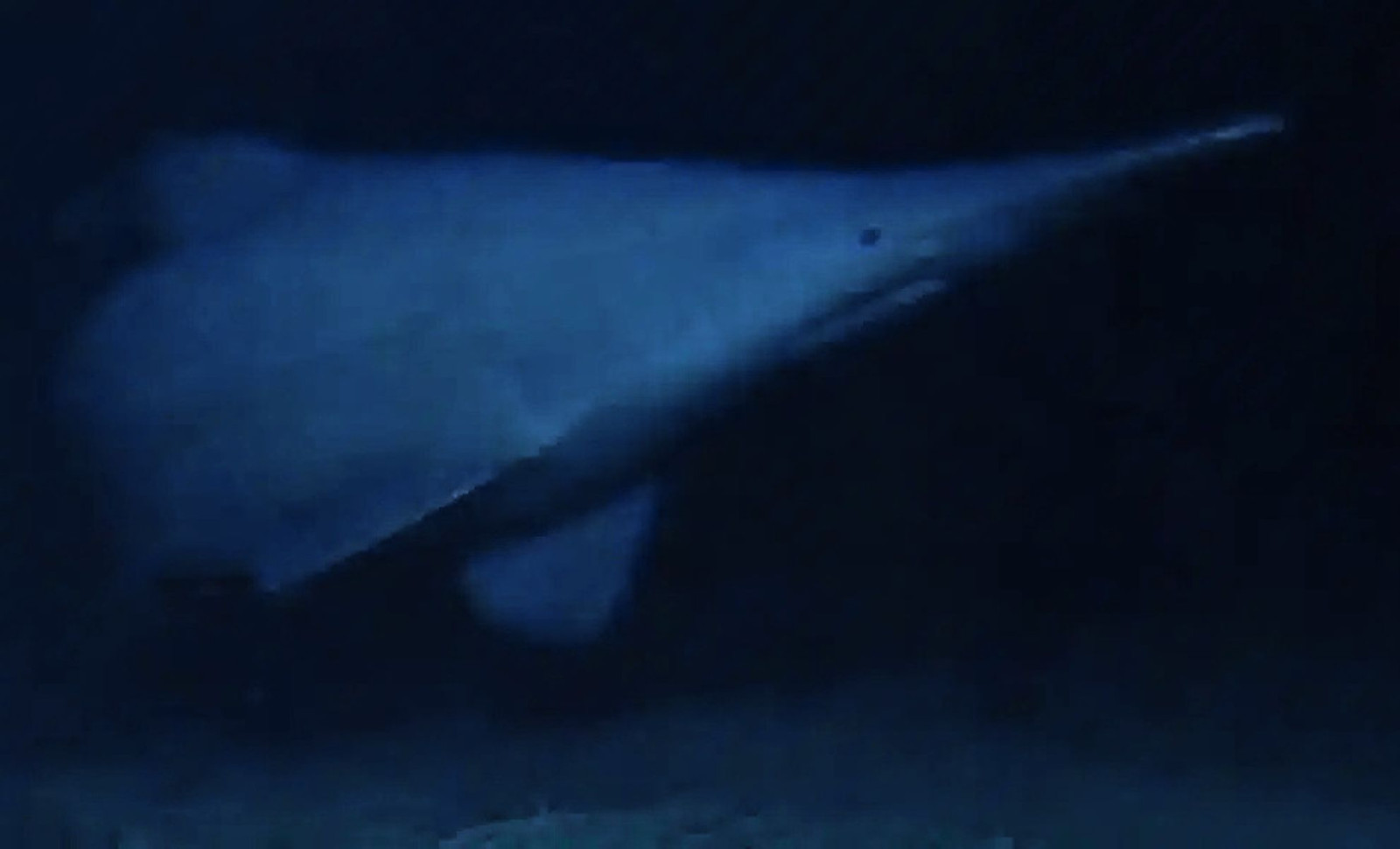
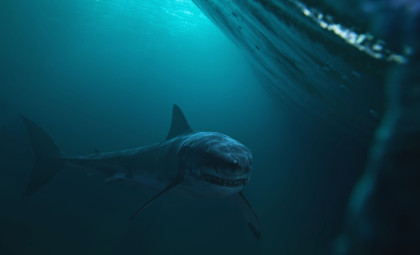
For over 50 days, underwater cameras monitored the ocean depths ranging from 800 to 10,800 metres. Within that timeframe, the goblin shark was captured on film for just over 20 seconds.
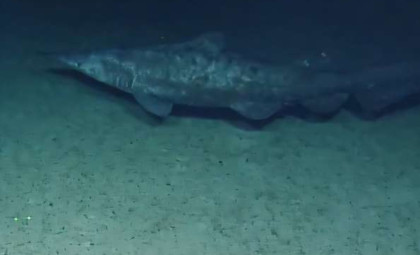
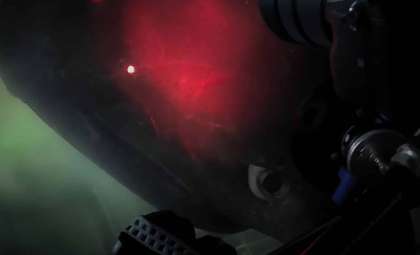
This fleeting glimpse, recorded on the slope of the Tonga Trench at a depth of 1,997 metres, provided scientists with a remarkable first: live footage of a goblin shark in its natural deep-sea environment. Previously, live goblin sharks (Mitsukurina owstoni) had only been observed after being caught on fishing gear and subsequently dying once brought to the surface.
Documented by the University of Hawaiʻi at Mānoa, these new findings not only confirm a rare encounter with this deep-sea predator but also expand the known habitat of the species into the Central Pacific while extending its depth range by almost 700 metres.

Published in the Journal of Fish Biology, the study draws on two live sightings: one from archived footage taken near Jarvis Island in 2019, and a second captured during a 2024 expedition to the Tonga Trench using a baited deep-water camera.
Rediscovering a Rare Shark in Archived Dive Videos
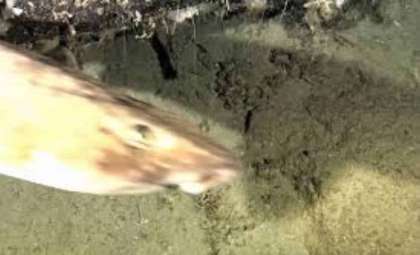
The earliest sighting was uncovered not in newly logged data but within older expedition recordings. Aaron Judah, a PhD student at the University of Hawaiʻi at Mānoa and lead author, learned in 2025 of a potential goblin shark observation from 2019 while consulting with colleagues at the Deep-Sea Animal Research Center. He then sifted through publicly available footage and spotted the shark during a livestreamed dive.
This initial footage originated from Hercules, a remotely operated vehicle deployed by the Ocean Exploration Trust during a mission aboard the exploration ship Nautilus. The voyage focused on deep-sea habitats around Kingman Reef, Palmyra Atoll, and Jarvis Island within the Pacific Remote Islands Marine National Monument. The shark appeared near an unnamed seamount northwest of Jarvis Island.
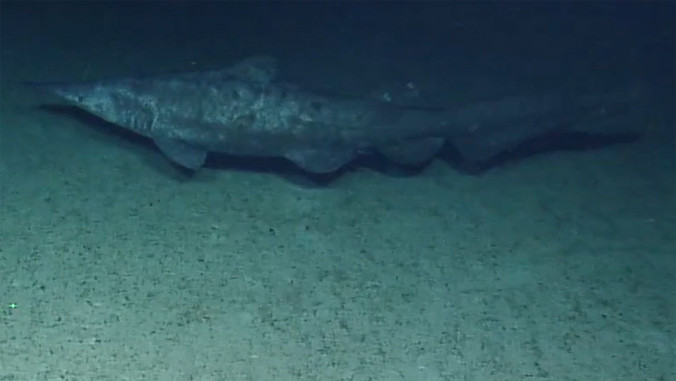
This observation was significant because goblin sharks had not previously been documented in that portion of the Pacific. Until this, the species was known mostly from limited locations off the coasts of the western United States, Australia, Japan, as well as some restricted Atlantic and Indian Ocean regions. The Jarvis Island sighting added a previously unrecognized locality in the Central Pacific.
Judah expressed surprise at uncovering the 2019 sighting given the unexpected geographic range of the species. More broadly, the discovery illustrates that important deep-ocean discoveries can emerge from analyzing archival video, where brief appearances of elusive species might otherwise be overlooked.
New Depth Record Set by Tonga Trench Encounter
The second live goblin shark encounter occurred during a 2024 research voyage to the Tonga Trench aboard the vessel Dagon. As part of the Inkfish Open Ocean Expedition led by the Minderoo-UWA Deep-Sea Research Centre, a baited camera system mounted on a bottom lander captured the shark at 1,997 metres depth.
A bottom lander is a remote platform equipped with cameras or scientific instruments deployed to the seabed. This technology provided rare direct footage of an animal that seldom appears in videos of its natural deep-ocean home. The shark’s brief transit through the field of view established a new maximum depth known for this species.
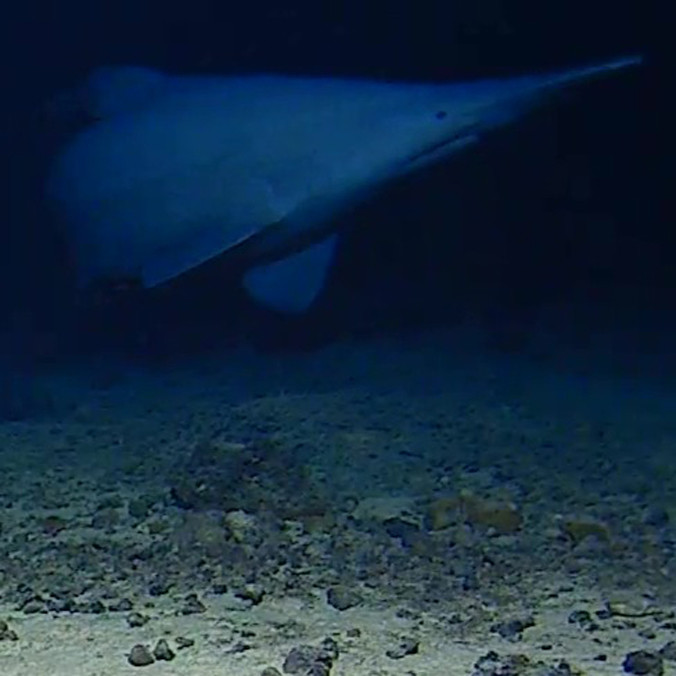
The Tonga Trench sighting pushed the goblin shark’s documented depth nearly 700 metres deeper than any previous record. Lead author Judah noted that this also extends the depth range for the entire shark order Lamniformes, which includes species such as great whites, makos, and basking sharks.
Professor Alan Jamieson, founding director of the Minderoo-UWA Deep-Sea Research Centre and co-author, oversaw the 2024 recordings. He shared that the team never anticipated capturing live footage of a goblin shark. Although over 50 days of continuous deep-sea footage were collected, the shark appeared on screen for just over 20 seconds.
Living Fossil Predators Rarely Seen Alive
Goblin sharks are often called living fossils because they are the sole survivors of a shark lineage that dates back nearly 125 million years. This phrase highlights their ancient evolutionary heritage and unique position within shark taxonomy.
Despite the evocative term, direct observations of live goblin sharks have been scarce. Prior to these two recent live captures on video, such sharks were only known from individuals caught on fishing lines, which typically led to their death shortly after surfacing.
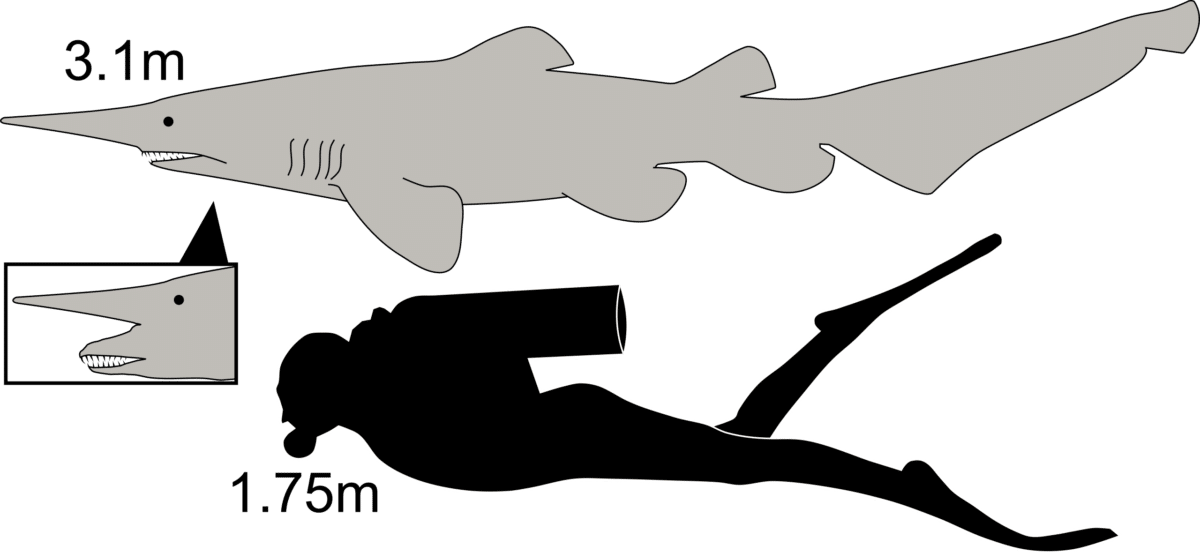
This distinction matters because sharks hauled up to the surface can reveal aspects of their anatomy but do not provide insights into how they behave or exist within their deep-sea habitat. The recent footage offers an unprecedented view of the species alive and undisturbed in its native environment.
While the two recordings do not clarify how frequently goblin sharks inhabit the Central Pacific or their movement patterns at depth, they definitively demonstrate that the species exists in regions and at depths previously undocumented.
Significance of the Brief 20-Second Encounter
These brief video records contribute valuable data for updating the known distribution and depth limits of this enigmatic deep-sea predator. Understanding species ranges helps scientists and policymakers identify which creatures inhabit specific ocean zones, crucial for conservation and management of seldom-seen animals.
Judah emphasized that recognizing the goblin shark’s extended geographic range means it can now be accounted for in local conservation efforts and national biodiversity records—information that was missing prior to these observations.
- Categories:
- Science


0 comments
Sign in to Comment