
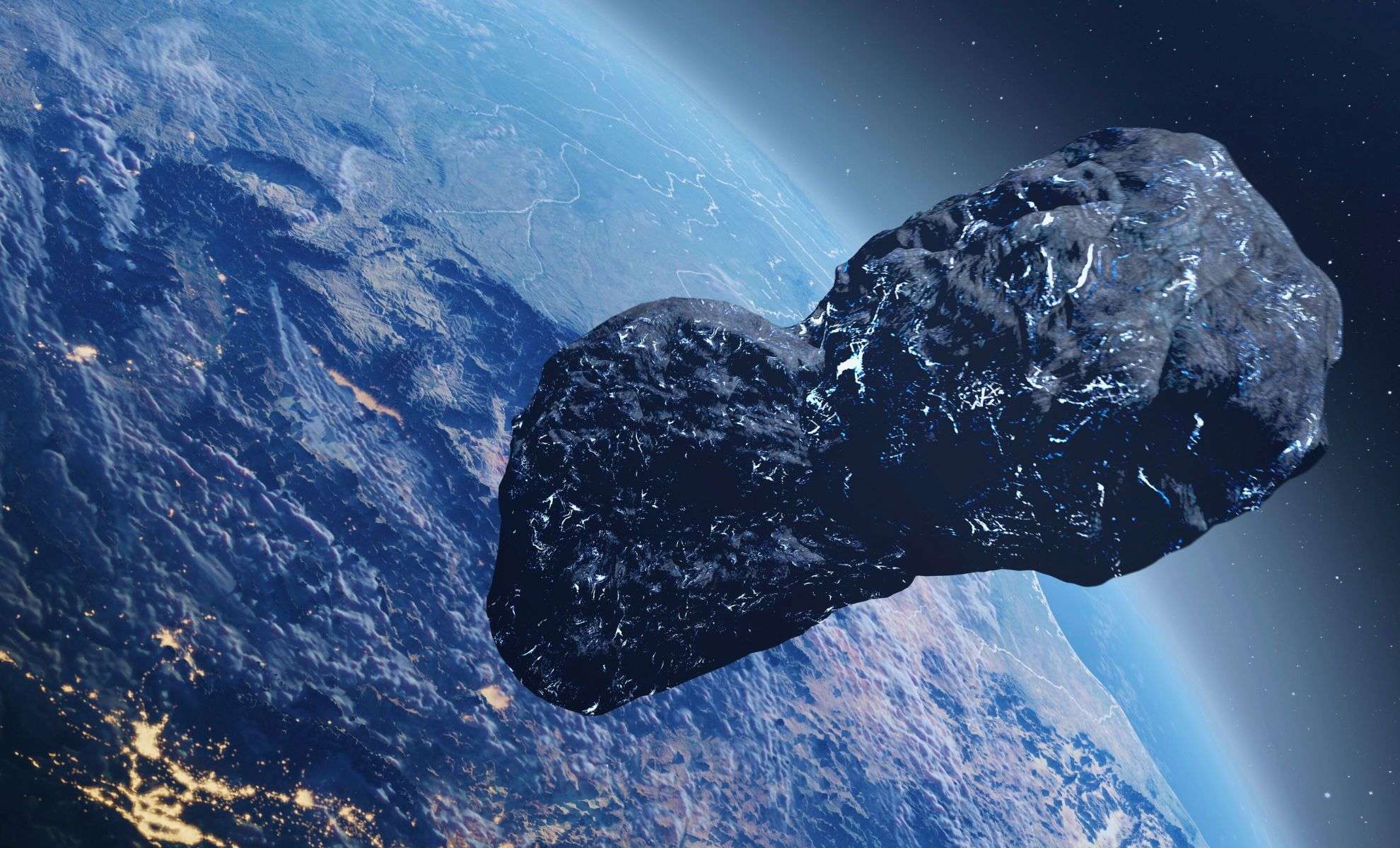
New research into asteroid Ryugu has uncovered an astonishing finding: water flowed within its rocky interior over a billion years after its initial formation. This challenges previous beliefs about when water existed in the early solar system and offers fresh perspectives on how Earth's oceans might have originated.
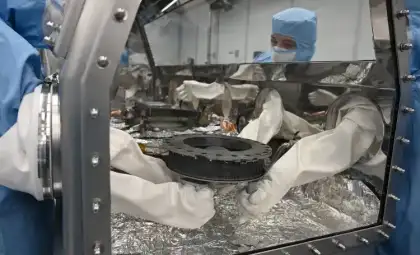
Scientists from the University of Tokyo and collaborators analyzed ultra-fine rock fragments brought back by Japan’s Hayabusa2 mission. Although the spacecraft returned only a small amount of material in 2020, advanced chemical analysis provided invaluable insights that could alter our understanding of how water was delivered to our planet.
Unexpected Water Activity in Ryugu’s Geological Past
Previously, it was thought that liquid water was only present on asteroids in the solar system’s early stages. However, new evidence from Ryugu contradicts this idea, demonstrating that water moved through its rocks far later than anticipated. Tsuyoshi Iizuka of the University of Tokyo explained:

“We found that Ryugu preserved a pristine record of water activity, evidence that fluids moved through its rocks far later than we expected.”
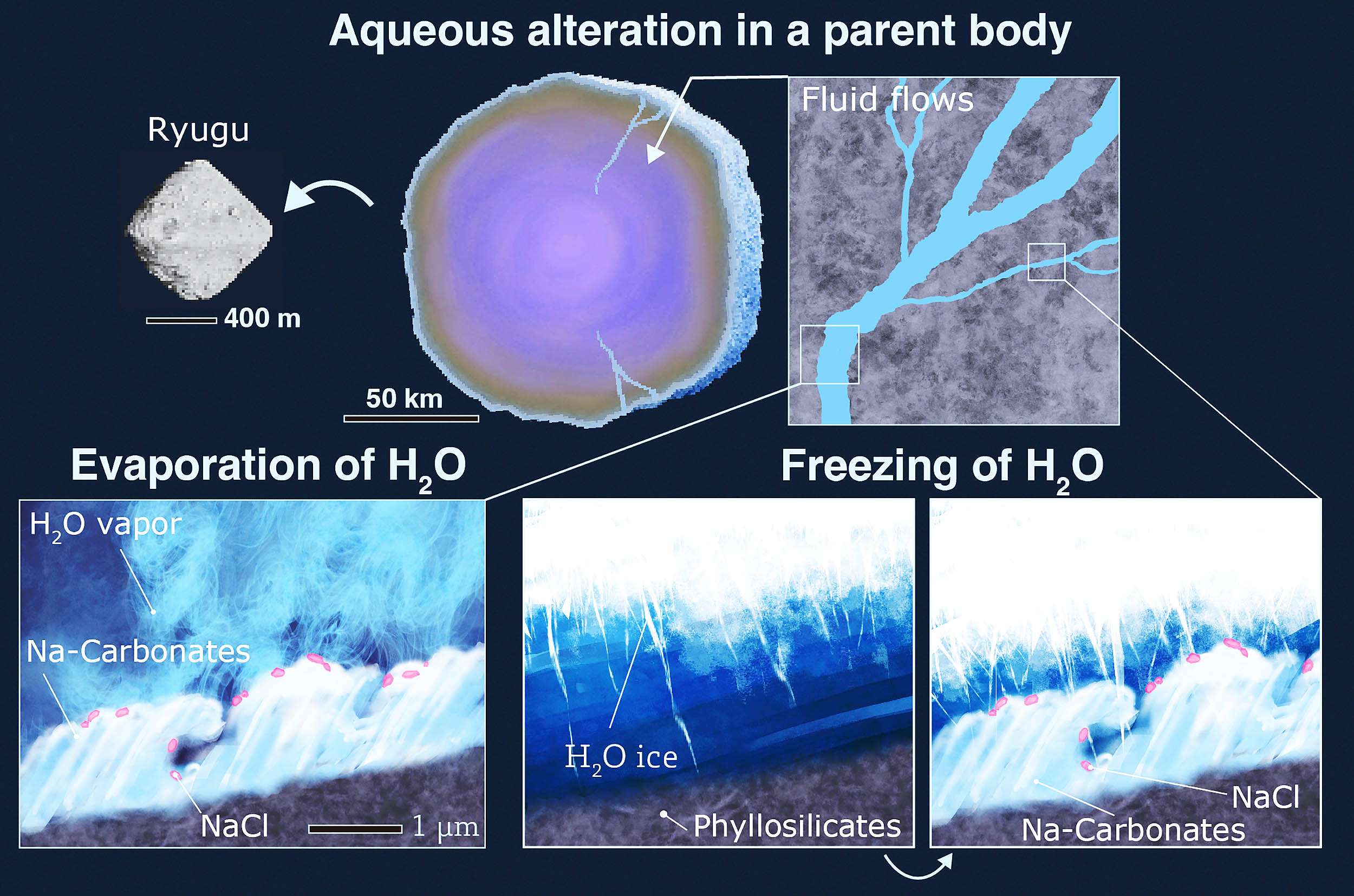
The analysis focused on lutetium and hafnium isotopes, which serve as geological clocks. The discovery of unusually high hafnium levels indicates that liquid water flowed through these rocks long after their formation, upsetting their original chemical equilibrium.
An Ancient Collision Sustained Water Flow
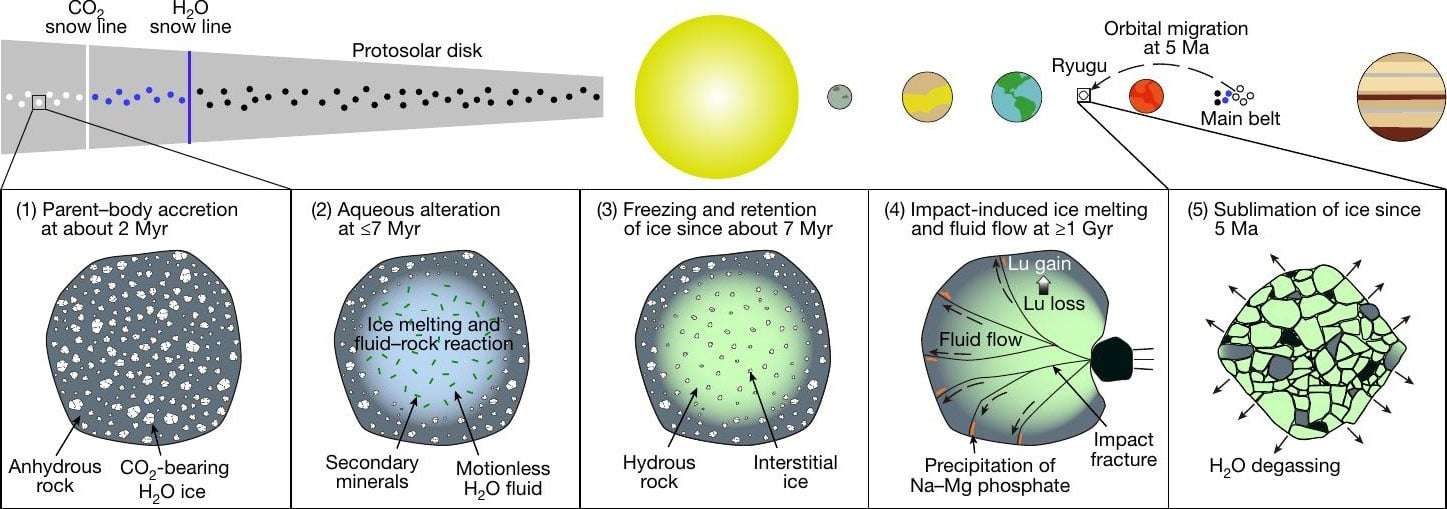
Researchers theorize that an enormous impact event triggered the late water movement inside Ryugu. When a larger asteroid struck Ryugu’s progenitor, the collision fractured the rock and melted subsurface ancient ice, allowing liquid water to seep through its interior.
This collision likely fragmented the parent asteroid, with some pieces forming the smaller near-Earth asteroid we observe today.
“The most likely trigger was an impact on a larger asteroid parent of Ryugu,” Iizuka explained, “which fractured the rock and melted buried ice, allowing liquid water to percolate through the body. It was a genuine surprise!”
Rethinking Earth's Early Water Budget
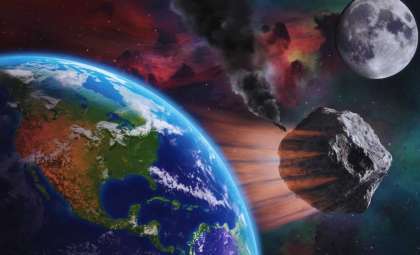
If objects like Ryugu retained ice for over a billion years, they may have supplied Earth with much more water than previously believed. The study suggests that these ancient asteroids could have delivered two to three times as much water to Earth’s early surface than earlier estimates.
“The idea that Ryugu-like objects held on to ice for so long is remarkable,” Iizuka said. “It suggests that the building blocks of Earth were far wetter than we imagined.”
Such findings point to asteroid impacts as a significant contributor to Earth's water inventory and possibly to conditions favorable for life, occurring well after the planet's formation.
Next Steps in Space Water Investigations
Given the minuscule quantity of Ryugu samples, researchers needed to innovate new chemical techniques that preserve element integrity while extracting multiple components from tiny fragments.
“We had to design new chemistry methods that minimized elemental loss while still isolating multiple elements from the same fragment,” Iizuka said. “Without this, we could never have detected such subtle signs of late fluid activity.”
Future research will examine phosphate veins in Ryugu to better understand the chronology of fluid migration. Comparisons with samples from NASA’s OSIRIS-REx mission to asteroid Bennu will clarify whether prolonged water presence is unique to Ryugu or common among carbon-rich asteroids.
- Categories:
- Space





0 comments
Sign in to Comment