
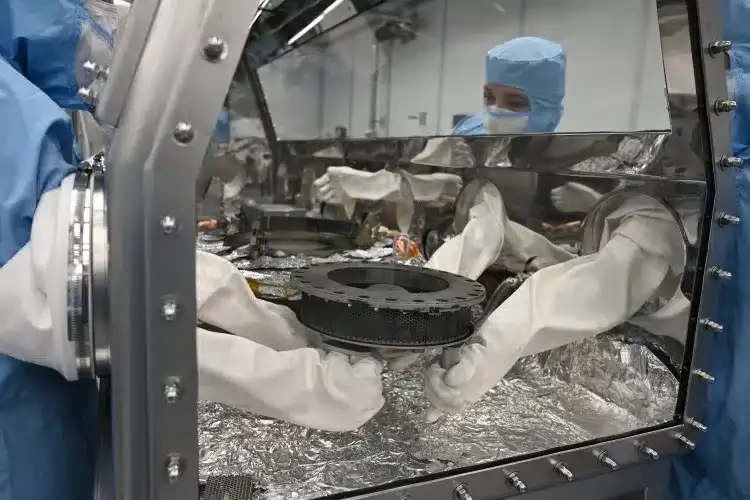
Researchers at NASA have identified critical organic compounds within a sample from the Bennu asteroid, providing fresh evidence about the potential beginnings of life in our solar system. The material, brought to Earth in September 2023 by the OSIRIS-REx spacecraft, includes amino acids, nucleobases, and other important organic molecules, supporting the idea that life's essential elements may have been delivered to Earth from space.
A Rich Cache of Organic Components
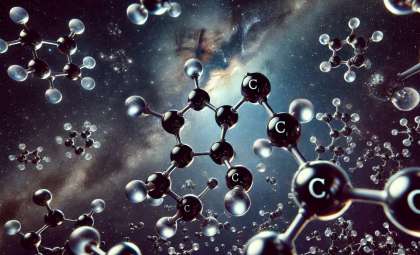
Detailed in articles published in Nature and Nature Astronomy, the Bennu sample contains 14 of the 20 amino acids that form proteins on Earth. Notably, it also harbors nucleobases, the core building blocks of DNA and RNA, which carry genetic information in all known life forms.
Although these findings do not prove life exists beyond Earth, they indicate that prebiotic chemical processes—which may lead to the emergence of life—were common throughout the early solar system. If similar conditions supported chemical evolution on asteroids like Bennu, it raises the likelihood that life could have originated on other celestial bodies.

Water’s Crucial Role in Bennu’s History
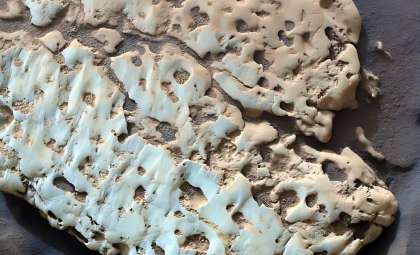
The study reveals the presence of 11 distinct minerals such as calcite, halite, and sylvite, all of which point to historic interactions with liquid water. This evidence suggests that Bennu or its ancestor asteroid once had conditions conducive to the development and transformation of complex organic molecules.
NASA experts propose that Bennu originated from a larger asteroid formed about 4.5 billion years ago, dating back to the solar system’s infancy. At some stage, that parent body likely contained saltwater, fostering a chemical environment ideal for forming and altering organic compounds. This supports the notion that water-rich asteroids could have been carriers of water and organic matter to Earth billions of years ago.
The OSIRIS-REx Mission Journey
Launched on September 8, 2016, NASA’s OSIRIS-REx spacecraft arrived at Bennu on December 3, 2018. Over nearly two years, it mapped the asteroid's surface before collecting a sample on October 20, 2020. This precious cargo was safely returned to Earth in a sealed capsule on September 24, 2023.
Since the sample’s arrival, scientists have conducted detailed chemical and mineral analyses, uncovering new insights into the asteroid’s history and shedding light on the distribution of life-friendly molecules throughout space.
Implications for the Quest for Extraterrestrial Life
The presence of life's essential molecules on Bennu lends support to the panspermia hypothesis, which proposes that life’s components—or possibly life itself—could have traveled through space aboard asteroids and comets. While these discoveries stop short of proving alien life, they affirm that conditions suitable for life's emergence may not be unique to our planet.
Looking forward, upcoming missions like Japan’s MMX expedition to Phobos, Mars’ moon, and NASA’s Dragonfly mission to Titan, Saturn’s largest moon, aim to uncover further evidence about the prevalence and potential habitats of life beyond Earth.







0 comments
Sign in to Comment