
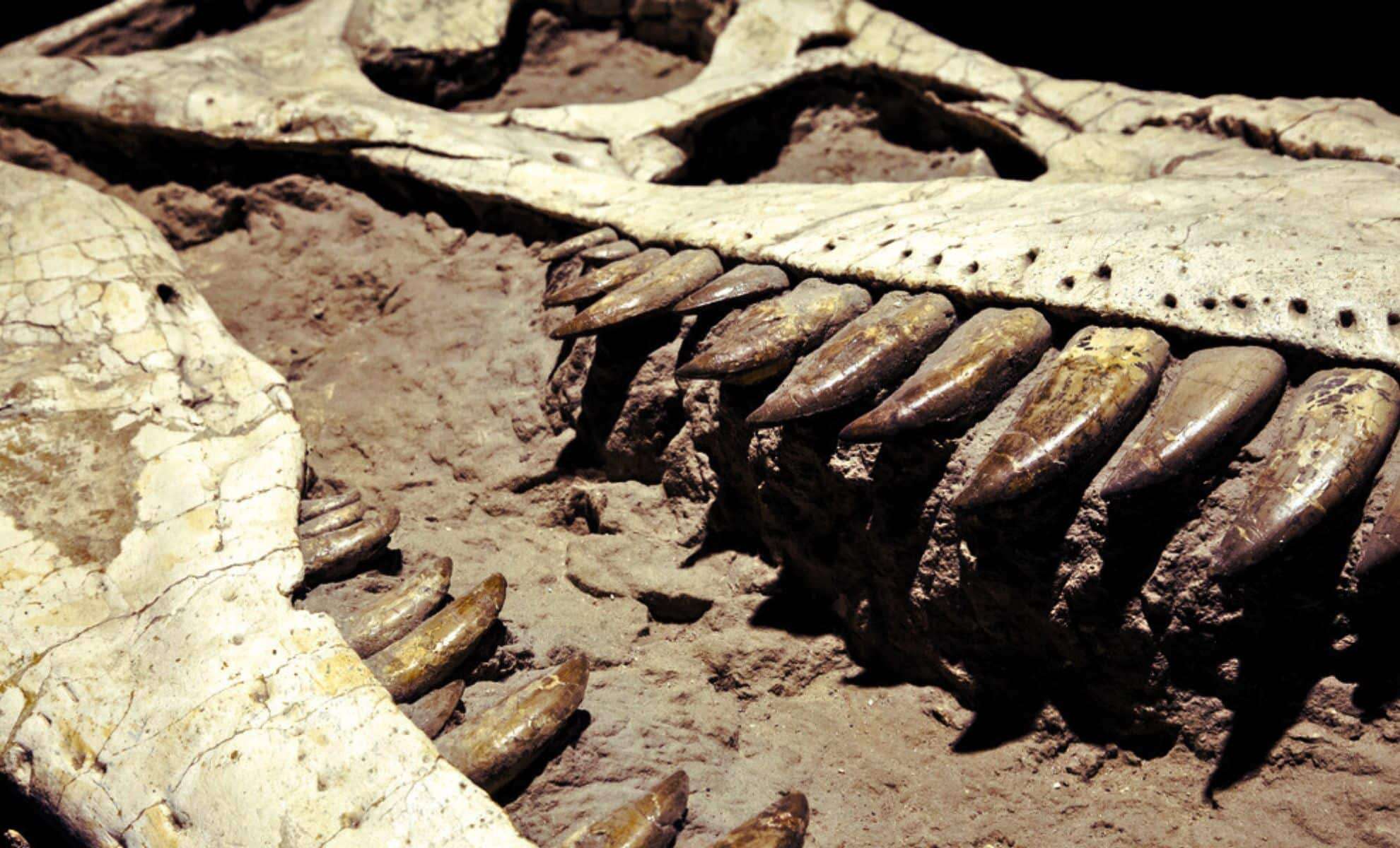
A 28-centimetre piece of fossilized jawbone discovered on the Welsh coastline in 1899 has now been officially identified as belonging to a hitherto unknown large theropod dinosaur. Scientists named this species Newtonsaurus cambrensis, which lived over 200 million years ago and possibly grew to lengths of nearly seven metres, marking it as a formidable predator from the Triassic era.
This new categorization, detailed in the peer-reviewed journal Proceedings of the Geologists’ Association, not only reignites interest in Britain’s ancient fossil heritage but also challenges long-held views about when giant dinosaurs first evolved.
A Forgotten Fossil Yields a Loud Revelation
The specimen was originally uncovered on the rugged cliffs of Stormy Down near Bridgend, South Wales, and largely faded into obscurity for over a hundred years. It transitioned quietly from the British Geological Survey to the National Museum of Wales, displayed to the public but garnering minimal scientific focus.

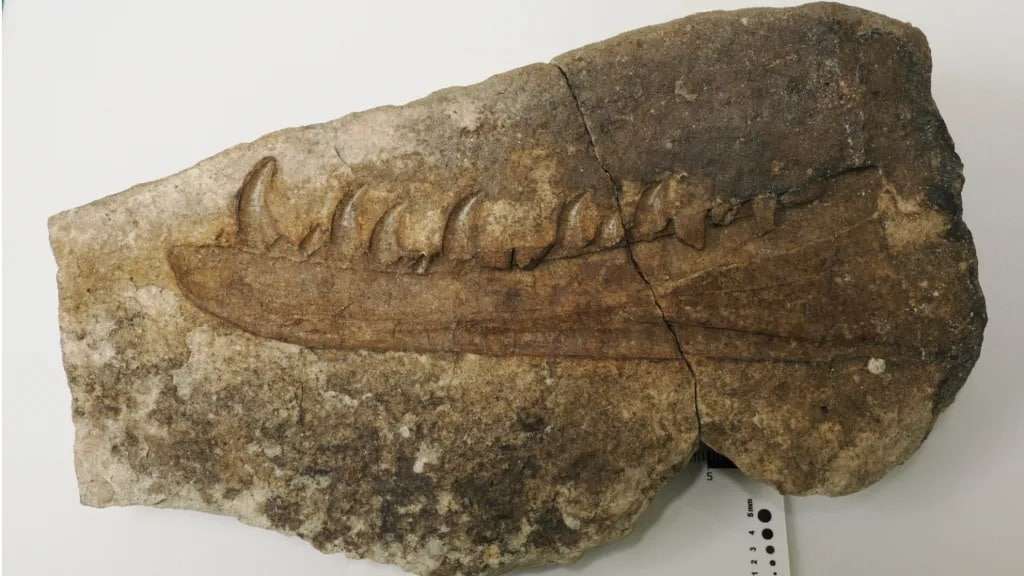
First characterized in the early 1900s by British paleontologist Edwin Tully Newton, the bone was tentatively placed in the genus Zanclodon—a now-outdated grouping used for ambiguous reptilian remains. For decades, the jawbone's exact classification remained uncertain.
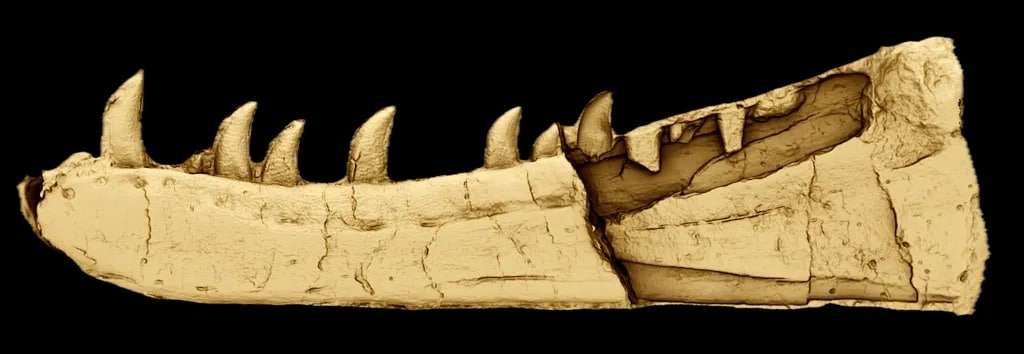
That status changed in 2025 when a research team from the University of Bristol, led by prominent paleobiologist Professor Michael J. Benton, utilized 3D photogrammetry to digitally recreate the fossil. The detailed model revealed distinctive dinosaur traits: curved teeth, interlocking interdental plates, and elongated foramina—nerve openings—a unique feature amongst known theropods.
Massive Jaws Suggest a Giant Predator
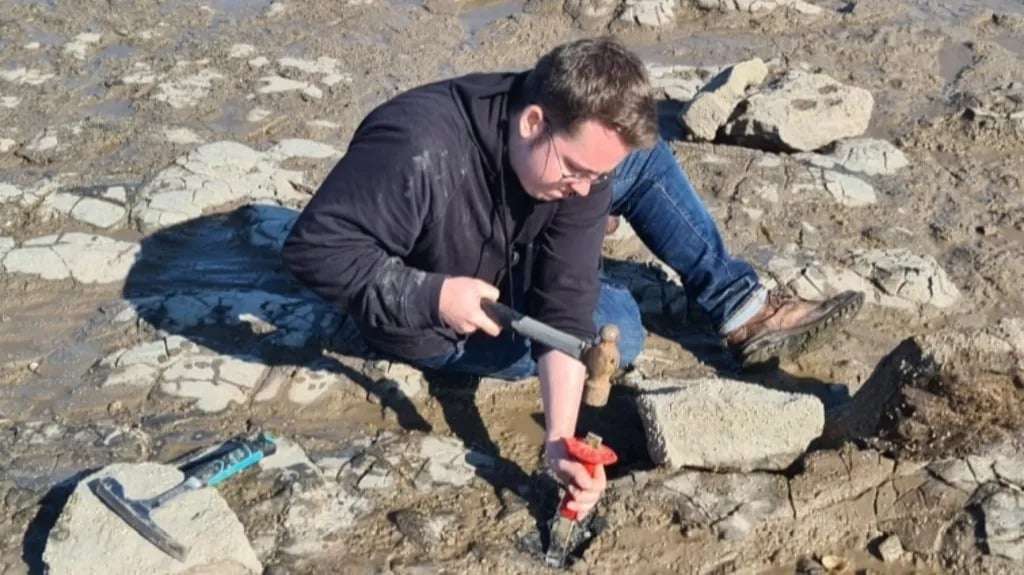
Led by doctoral candidate Owain Evans, the study concluded that Newtonsaurus cambrensis was more than just a dinosaur; it was a colossal predator of its era. When most carnivorous dinosaurs from that time typically measured under three metres, this species likely dominated its coastal habitat.
"The jaw fragment alone is nearly 30 centimetres long and represents only the anterior section," Evans explains. "Extrapolated, the skull could have been about 60 centimetres in length, corresponding to an overall body size close to seven metres."
This size is exceptional for the Late Triassic, a time characterized by evolutionary diversification after the end-Permian mass extinction. Back then, dominant land predators tended to be croc-line reptiles called rauisuchians, making the presence of a huge theropod all the more remarkable. Previously, such large theropods were believed to have appeared only during the Middle Jurassic.
Complex Evolutionary Relationships
Determining the precise evolutionary position of Newtonsaurus remains challenging. Its dental and skull anatomy exhibits a blend of characteristics linked to different lineages—some resembling Dilophosaurus, others indicating connections to the lightweight predatory group known as coelophysoids.
“It’s possible this species represents a ghost lineage,” notes Benton. “Its existence suggests undiscovered evolutionary pathways in this geographic region during that period.”
The jawbone was found in the Penarth Group geological formation of South Wales, adding intrigue to this relatively overlooked sedimentary sequence now recognized as rich in paleontological potential.
“There is still so much to uncover within these rock layers,” says Cindy Howells, the museum’s paleontology curator. “Countless fossils may lie hidden beneath the cliffs or remain unexamined in museum collections.”
- Categories:
- Science



0 comments
Sign in to Comment