
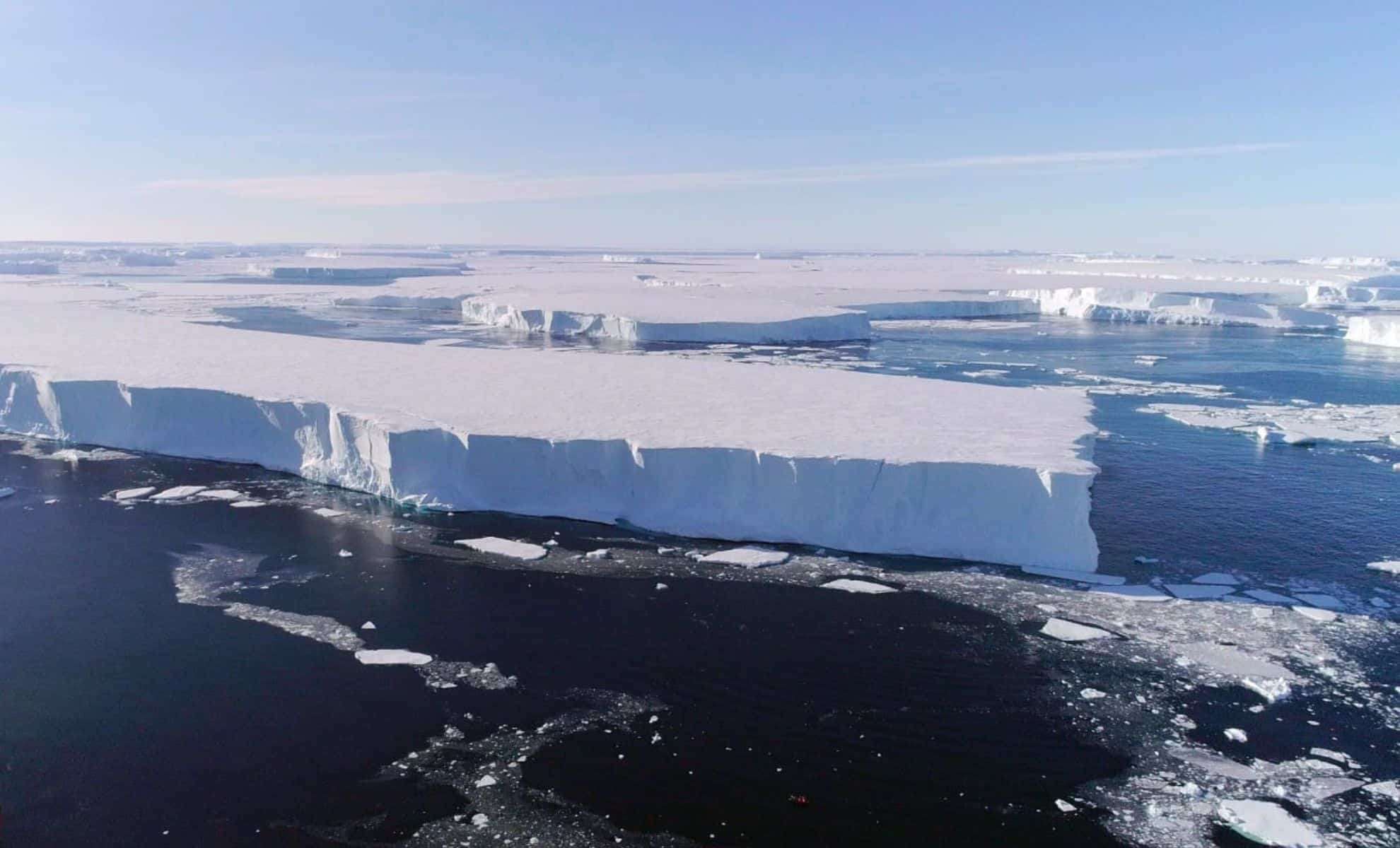
Antarctica is not only losing ice but also experiencing a noticeable uplift as its massive ice sheets melt, reshaping the continent itself.
The reduction in ice weight causes the underlying land to rebound upward, triggering a chain of repercussions with worldwide significance.
Researchers like Rick Aster, a seismologist at Colorado State University, are intensively monitoring these swift alterations, highlighting the profound effects climate change might have on Antarctica and beyond.

Antarctica’s Response: Land Uplift Accelerating as Ice Disappears
Antarctica is shedding roughly 150 billion tons of ice annually, prompting the solid earth beneath to rise—a phenomenon known as isostatic rebound. This occurs because the thick ice mass previously compressed the bedrock, and as it diminishes, the ground slowly elevates.
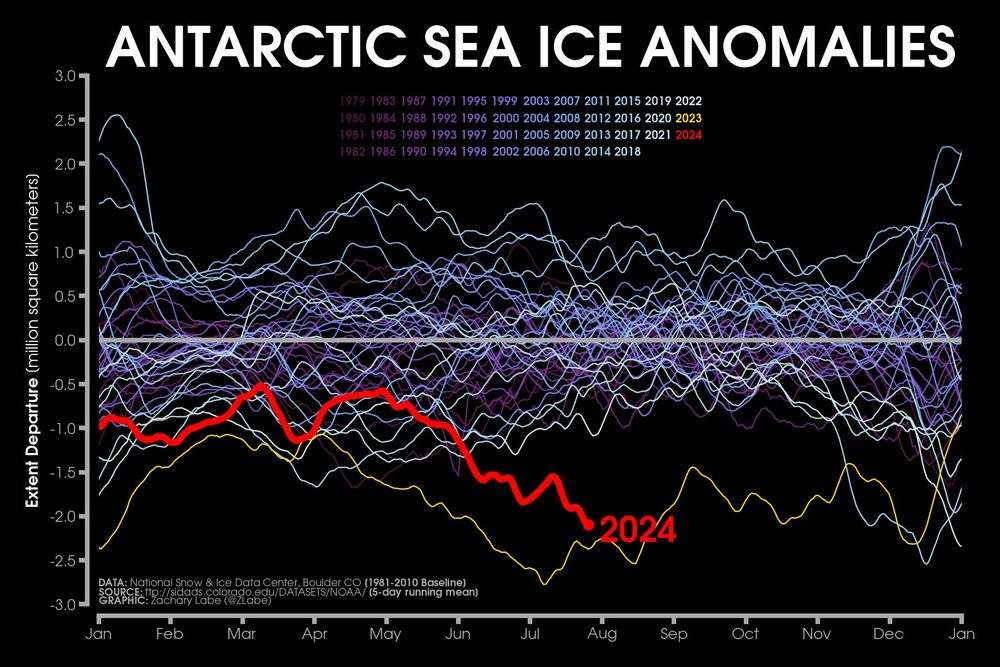
In particular, West Antarctica exhibits an uplift rate nearing 2 inches per year, ranking among the fastest globally. Aster’s team examines how this rise affects ongoing ice melt and the consequent sea-level rise. According to Aster, “The rock pushes up under the reduced pressure and slows the loss of ice to the sea.” While helpful in some regions, this uplift process cannot match the rapid melt volumes driven by warming.
Worldwide Effects: Sea Level Surges and Coastal Vulnerabilities
The loss of Antarctic ice impacts oceans globally, infusing more water and accelerating sea level rise. Projections warn that current melting trends could elevate sea levels along North American coastlines by up to 10 feet by 2150.
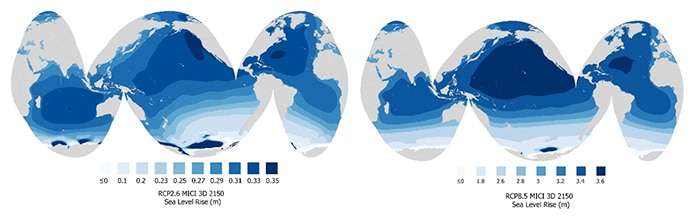
This escalation threatens urban hubs such as Miami, New Orleans, and New York, exposing millions to flooding risks. Moreover, as Antarctica’s immense ice masses diminish, their gravitational influence weakens, leading to additional sea level surges particularly around the U.S. East Coast, the Gulf of Mexico, and island nations in the Pacific.
Can Uplift Mitigate Climate Impact?
While land uplift offers a glimmer of hope, it is no panacea. Aster stresses, “Earth uplift can be our friend and the Earth’s friend, if we don’t ask too much of it.” This rising land reduces pressure beneath the ice, slightly stabilizing some parts, but it falls short of balancing the relentless ice loss resulting from rising temperatures.
The most effective solution remains curbing global warming. Cutting emissions could decelerate Antarctic ice loss, enhancing the uplift’s potential benefits. Aster’s findings suggest that stabilizing temperatures might reduce Antarctic contributions to sea-level rise by as much as 40%.
Yet, the clock is ticking. The pace of anthropogenic climate change far exceeds naturally occurring shifts. “We’re spiking the carbon dioxide and otherwise changing the climate so rapidly that we’re in territory where it’s hard or impossible to find natural analogs that we can study in Earth’s past history,” Aster warned. The rapid transformations unfolding within decades were once millennial processes, heralding an unpredictable path for Antarctica and the global coastline.
Antarctica’s Future and Global Shores at a Crossroads
As climate challenges mount, Antarctica draws vital scientific attention. The dynamic between melting ice and the rising land presents both opportunities and urgent cautions. Though uplift delays ice retreat locally, it cannot halt the broader warming trend. Without decisive action on emissions, coastal flooding and displacement stand to worsen dramatically.
The coming decades are pivotal. Choices made around climate policies and carbon reduction will shape how Antarctica’s melting reshapes seas and shores worldwide. In Aster’s words, “It’s happening so rapidly that we can see these large effects even in a human lifetime. And that is something that the Earth has not seen before, as far as we know.”
- Categories:
- News ,
- Climate change











0 comments
Sign in to Comment