
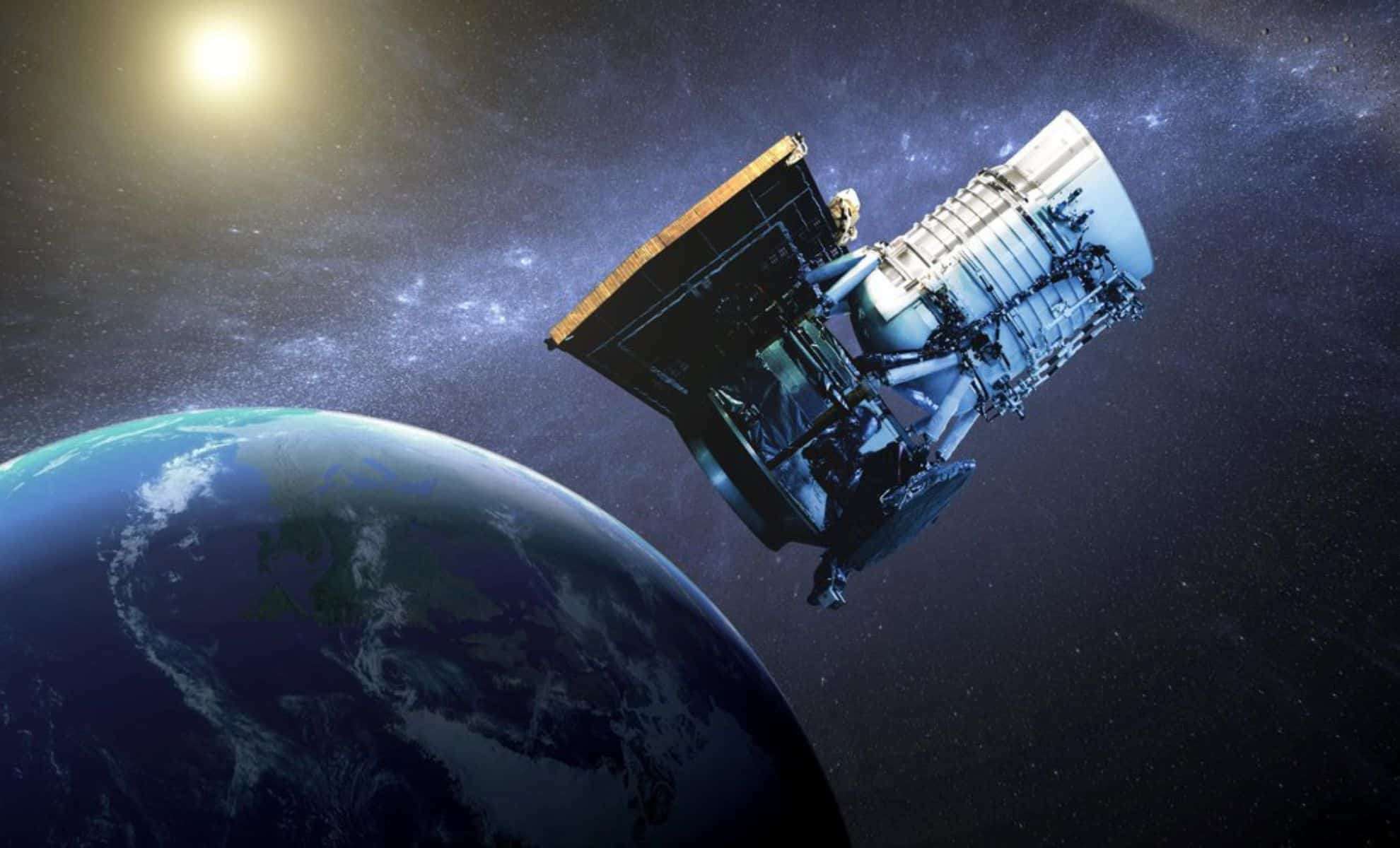
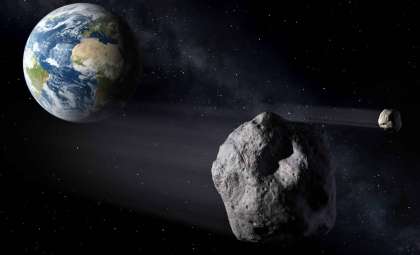
NASA has officially retired the NEOWISE space telescope, concluding a remarkable 15-year mission that greatly enhanced our knowledge of near-Earth objects (NEOs) and boosted efforts in planetary defense.
Launched in 2009 as the Wide-field Infrared Survey Explorer (WISE), the instrument was redesignated as NEOWISE in 2013 to specialize in discovering and analyzing asteroids and comets that approach Earth's vicinity.
Overview of NEOWISE’s Achievements
Initially intended to map the entire sky in infrared wavelengths for just seven months, the WISE mission surpassed expectations through its exceptional sensitivity. This success led to its transformation into the NEOWISE mission, devoted to tracking near-Earth cosmic objects.

During its extended operation, the spacecraft identified over 200 previously unrecognized near-Earth objects, including 25 new comets, while also amassing extensive data on about 44,000 additional bodies within our solar system.
A highlight among its findings was the comet C/2020 F3 NEOWISE, which spectacularly graced observers on Earth in July 2020. The wealth of data gathered by NEOWISE has proved essential for scientists monitoring the trajectories of objects that may pose an impact threat.
Conclusion of NEOWISE and Planetary Defense Outlook
The telescope was officially deactivated on July 31, 2024, as intensified solar activity during the sun’s peak phase made continued operation untenable.
With no capability to boost itself to a higher orbit, NEOWISE is gradually descending and is expected to reenter Earth's atmosphere, disintegrating by late 2024. Its mission far exceeded the original timetable, supplying crucial insights into our cosmic neighborhood.
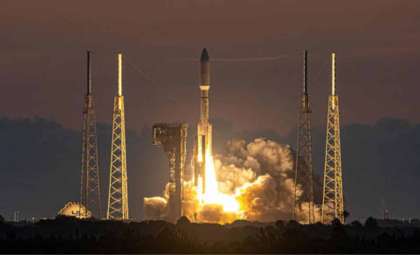
The retirement of NEOWISE creates a temporary pause in NASA’s dedicated near-Earth object scanning from space. At present, there is no active orbiting telescope focused solely on this task. That gap will eventually be filled by the upcoming NEO Surveyor, a cutting-edge infrared observatory planned for launch no earlier than 2027.
NEO Surveyor aims to advance the capabilities pioneered by NEOWISE, targeting elusive asteroids, especially those obscured by solar glare—a significant blind spot in current detection efforts.
Meanwhile, terrestrial observatories such as the Catalina Sky Survey in Arizona and Pan-STARRS in Hawaii will continue to perform essential observations. These ground-based facilities have already discovered the bulk of known near-Earth objects and will remain vital for high-precision tracking and early warning.
Enduring Influence and Scientific Legacy
The accomplishments of NEOWISE extend well beyond its catalog of discoveries. It has demonstrated the value of adapting space missions to new objectives, elevating expectations for how extended projects can maximize scientific returns.
By enhancing our comprehension of near-Earth objects and supplying critical datasets, NEOWISE has laid the groundwork for successor missions like NEO Surveyor and shaped future planetary defense strategies.
As researchers continue to mine the extensive archive of NEOWISE data, the mission’s influence will resonate through both current and upcoming efforts to protect Earth from cosmic threats.
Though its operations have ceased, NEOWISE leaves behind a profound impact on astronomy and planetary defense, with its successor set to carry forward this vital vigilance into the years ahead.







0 comments
Sign in to Comment