
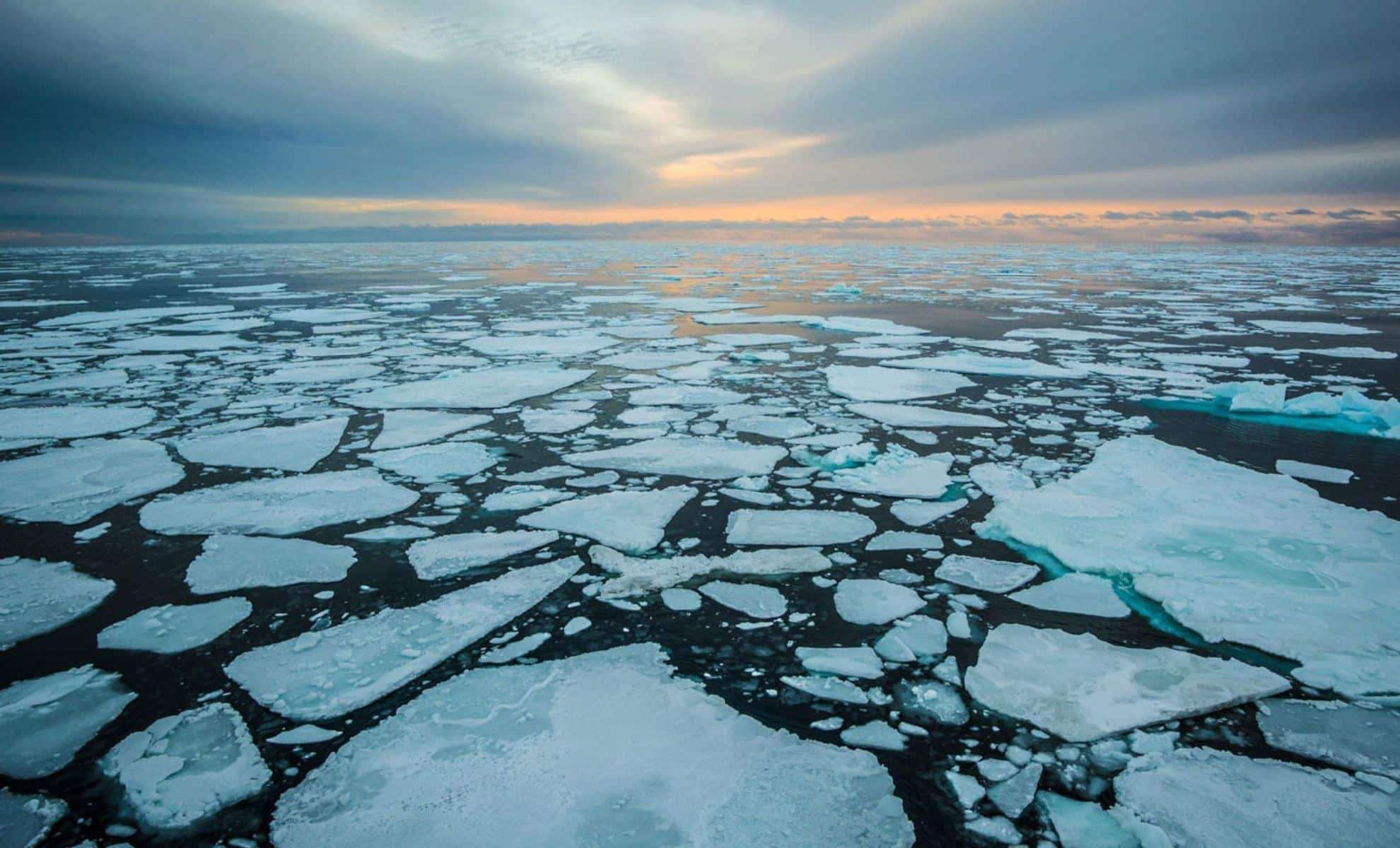
The Arctic Ocean is experiencing profound transformations as a process called atlantification intensifies, prompting scientists to issue urgent warnings. In research published in Science Advances, atlantification is defined as the influx of warm, saline waters from the Atlantic into the Arctic, which is hastening sea ice melt and disrupting the regional ecosystem. The findings reveal that this phenomenon has advanced to the Amerasian Basin, a part of the Arctic previously thought to be less vulnerable to such changes. This alarming trend may have significant climate repercussions, underscoring the need for intensified investigation.
Atlantification: Intrusion of Atlantic Waters Transforming the Arctic
Atlantification describes the growing penetration of warmer, saltier Atlantic waters into the Arctic, particularly impacting the eastern Eurasian Basin. The arrival of these waters introduces elevated temperatures and salinity, contributing to faster rates of sea ice reduction. The study points out that increased ventilation during winter in the halocline, a layer marked by sharp salinity gradients, has doubled sea ice loss compared to past decades.
Emerging evidence indicates notable ecological shifts in the eastern Siberian Arctic Ocean caused by the upward movement of these warm, salt-laden waters. Although these waters support marine life with their nutrient content, their effect on accelerating ice melt poses a critical threat to the Arctic’s fragile climate system.

Unprecedented Temperatures and Declining Ice Coverage
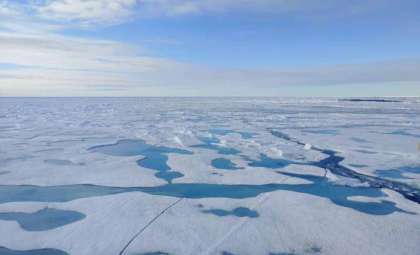
The impact of atlantification is reflected in recent Arctic climate observations. Data from the National Oceanic and Atmospheric Administration (NOAA) show that this year marked the Arctic's fourth warmest January and recorded the second smallest sea ice coverage during that month. The trend persisted in February, producing the region's warmest winter on record alongside the lowest seasonal sea ice extent. These dramatic increases in temperature combined with reduced ice coverage are alarming because the presence of sea ice is essential for reflecting solar radiation and regulating Earth's climate.
The retreat of sea ice contributes to a feedback loop that accelerates global warming, since less ice means more solar heat is absorbed by the ocean rather than reflected back into space. This loss disrupts climate stability and threatens ecosystems and human livelihoods worldwide.
Immediate Climate Measures Are Critical
Despite the challenges, there are promising interventions aimed at preserving Arctic ice. The Dutch company Arctic Reflections has proposed an innovative technique involving the extraction and redistribution of water beneath ice surfaces to promote freeze coverage and reinforce ice layers. Nevertheless, scientists emphasize that reducing greenhouse gas emissions remains essential. Without swift and comprehensive climate action, the Arctic ice could continue a rapid decline, causing irreversible impacts on global weather patterns.
The escalation of atlantification highlights the intricate connections within Earth's climate system and the urgent need for coordinated efforts worldwide. Informed decisions and proactive measures, from individuals to policymakers, will be vital to curb the effects of warming oceans and mitigate ongoing ice loss.
- Categories:
- News






0 comments
Sign in to Comment