
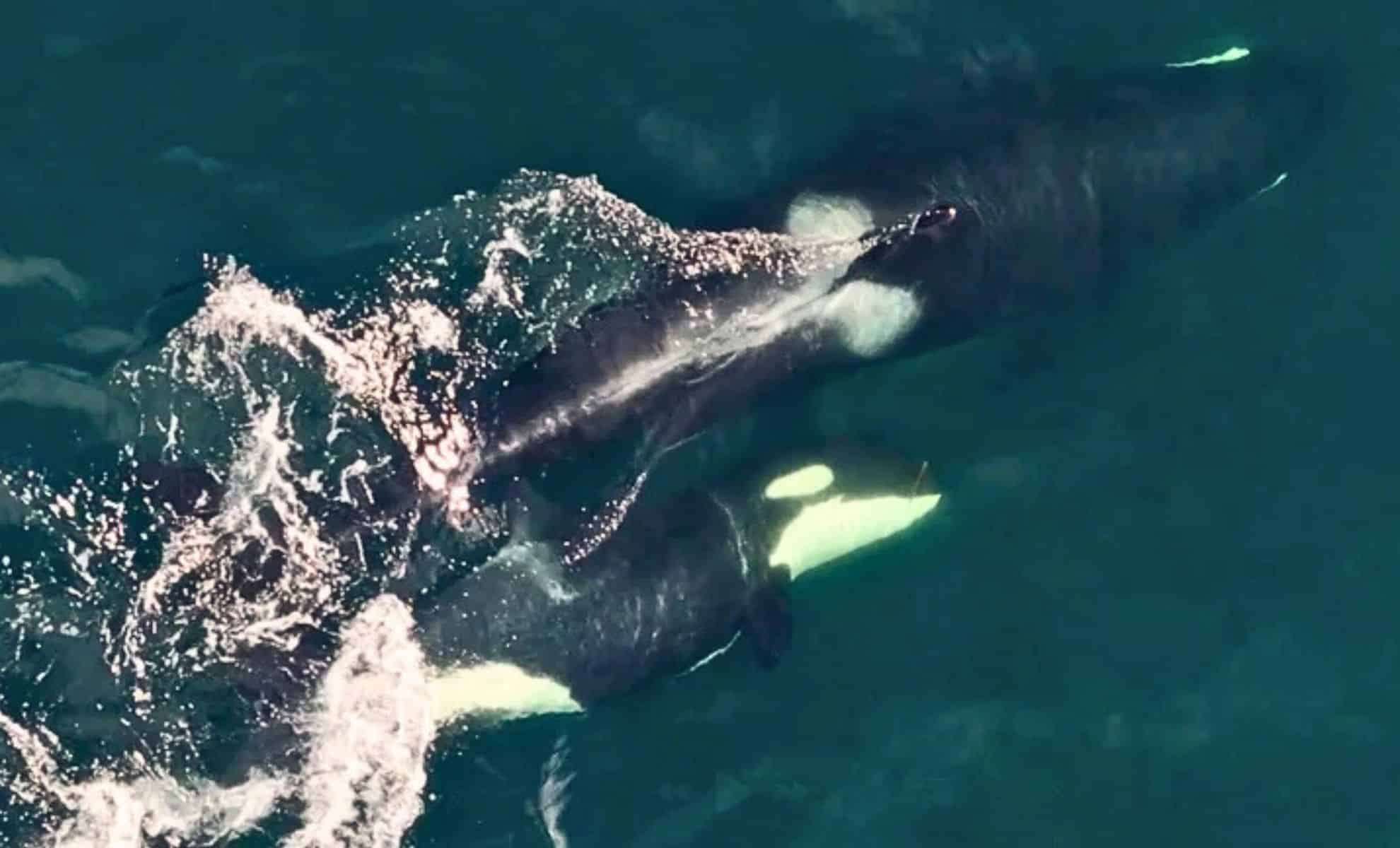
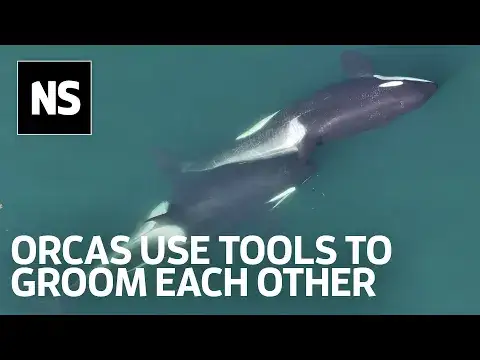
Orcas inhabiting the Salish Sea have been recorded using tools beyond hunting, marking a groundbreaking observation in marine mammal behavior. Published in Current Biology on June 23, 2025, this study is the first to document tool creation among cetaceans. These orcas carefully select and manipulate algae stalks, which they then employ to massage each other, a behavior evident throughout various age groups and hinting at deeper social layers within the pods.
Innovative Use of Natural Materials
Previous observations have noted cetaceans like dolphins and orcas utilizing tools in hunting scenarios. However, employing tools for self-grooming represents an unprecedented discovery. In this behavior, orcas detach substantial brown algae stalks from the seabed, then shape them intentionally to massage each other’s bodies, engaging in physical care and likely reinforcing social bonds.
Michael Weiss, research director at the Center for Whale Research (CWR), emphasized the significance during a press event: “They aren’t simply picking up objects; they transform them into purpose-built tools.”

This capacity to refine natural materials indicates a sophisticated level of tool utilization akin to that exhibited by certain terrestrial mammals.
Implications for Social Interaction and Wellness
Experts suggest this activity serves multiple functions. Darren Croft, professor from the University of Exeter, proposes that the practice might foster social connections or contribute to health upkeep.
The orcas appear to employ these algae stems as massage tools, potentially reducing stress, enhancing social bonds, or maintaining skin condition. The algae’s firm yet pliable texture, likened to a “hose filled with water,” makes it an ideal instrument for such grooming.
This novel behavior, while unusual, may play a crucial role in the social lives of the orcas, especially given the environmental pressures they face. With threats like pollution and diminishing food resources, practices like these could be essential for group stability and individual health.
Challenges Facing a Vulnerable Population
These remarkable orcas belong to the Southern Resident community found in Washington State waters. As of July 2024, this population is critically endangered, with just 73 individuals left. They struggle mainly due to the scarcity of their key prey, chinook salmon, and are further endangered by chemical pollutants in their habitat.
The loss of kelp forests, a source of their algae grooming tools, adds to their difficulties. With ongoing climate change reshaping marine ecosystems, the future of these vital algae beds—and the orcas’ unique tool-using behavior—is increasingly endangered, posing yet another threat to their survival.
Preserving a Distinct Cultural Practice
Scientists believe this tool-using behavior might represent a unique cultural tradition exclusive to the Southern Resident orcas. Since it has not been documented in other orca groups, it is likely passed down across generations within this population.
Facing a precarious existence amid dwindling numbers and a changing habitat, preserving these orcas and their distinctive behaviors becomes crucial. Weiss remarked, “Though orcas are widespread globally, the Southern Residents form a distinct society with unique customs that merit protection.”
This breakthrough in understanding orca social complexity highlights the urgent need to safeguard these animals. Yet, with ongoing environmental and human impacts, the survival of both the orcas and their exceptional cultural traits hangs in the balance.
- Categories:
- News










0 comments
Sign in to Comment