
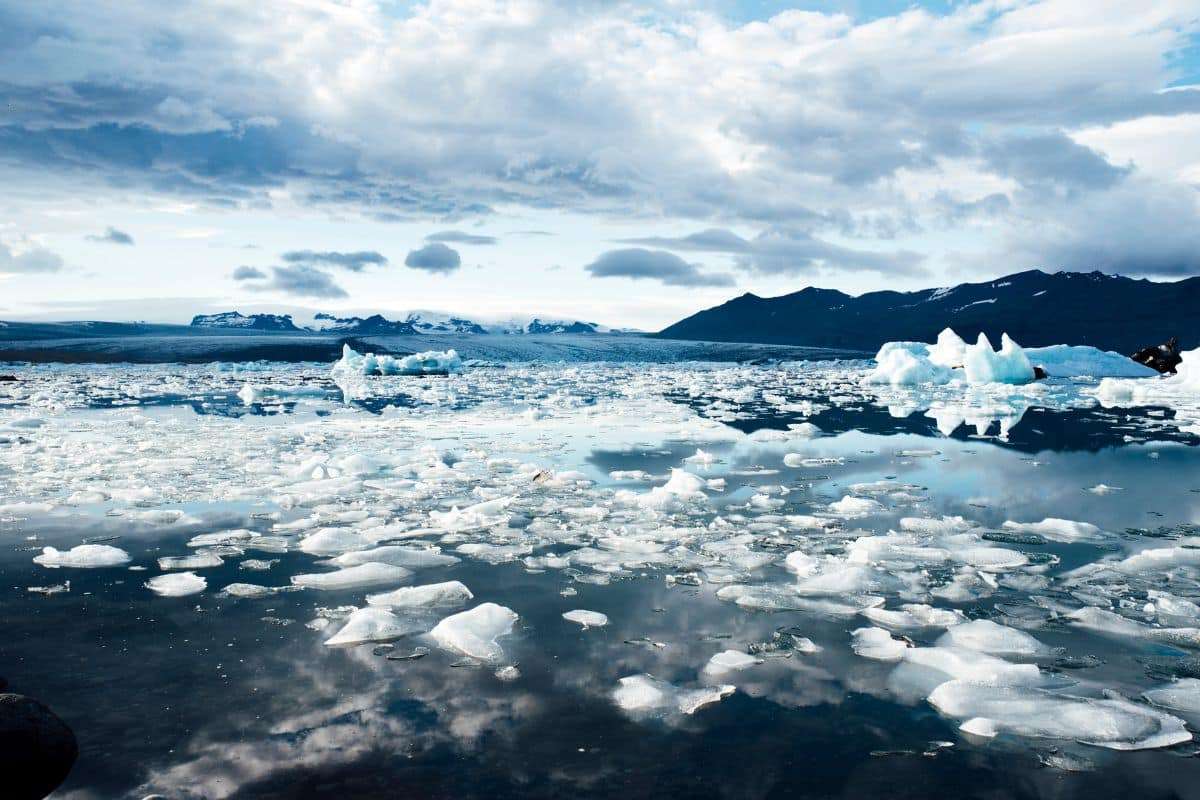
Recent satellite observations have uncovered an unprecedented drop in sea ice across both the Arctic and Antarctic regions, reaching a historic minimum of 6.08 million square miles (15.76 million square kilometers) on February 13, 2025. Researchers caution that this swift reduction may reflect a critical tipping point in Earth's climate system with widespread global implications.
The Vital Role of Polar Ice in Earth’s Climate
Polar sea ice serves as a crucial regulator by reflecting solar radiation and helping to maintain global temperature balance. The loss of ice uncovers darker ocean surfaces that absorb additional heat, intensifying warming through a feedback mechanism known as the albedo effect. This continuous cycle is considered a major factor driving the accelerated retreat of polar ice.
Walter Meier from the U.S. National Snow and Ice Data Center has documented these changes over the years, stating that Antarctica is experiencing “a new regime of lower ice extents”—a concerning shift that diverges from historical data.
A 2024 publication by climate scientists at the Laboratoire d’Études en Géophysique et Océanographie Spatiales confirmed marked declines in Arctic and Antarctic ice driven largely by warming ocean temperatures.

Global Consequences of Melting Polar Ice
The reduction in polar ice is contributing to rising sea levels, heightening the risk of flooding and extreme weather events for coastal urban centers including New York, Miami, and Jakarta. The shrinking ice sheets around Greenland and Antarctica threaten millions in vulnerable low-lying regions.
This ice loss also disrupts oceanic currents such as the thermohaline circulation, which plays a key role in climate regulation worldwide. This disturbance may cause more frequent and intense hurricanes, extended drought periods, and erratic monsoon patterns, ultimately destabilizing weather systems globally.
Wildlife dependent on icy habitats faces severe challenges. Polar bears, seals, and walruses are losing essential hunting and breeding environments, while penguins in Antarctica encounter decreasing living spaces. Without stable ice, many species are at increasing risk of population declines or extinction, further disrupting delicate ecosystems.
Satellite Data Highlights a Disturbing Trajectory
Observations from satellite instruments tracking polar ice reveal a stark reality. On February 15, 2025, ice extent slightly increased to 6.11 million square miles (15.84 million square kilometers), yet remains significantly below averages.
Experts studying historical ice trends note a sharp downturn beginning in 2016, particularly in Antarctic sea ice, with no signs of rebound. This persistent decline points to a possible enduring shift in climate behavior.
The Future of Earth’s Frozen Frontiers
The upcoming months are crucial in assessing whether polar ice levels can stabilize or if this unprecedented drop marks a new baseline. Scientists are carefully monitoring the effects of elevated ocean temperatures and altered weather dynamics on ice regrowth.
Consensus among specialists emphasizes that reducing global carbon emissions is vital to decelerate this alarming trend. The survival of polar ice rests on rapid international efforts to limit greenhouse gases and promote sustainable energy practices. Until then, global attention remains focused on these fragile frozen ecosystems.
- Categories:
- Climate change






0 comments
Sign in to Comment