
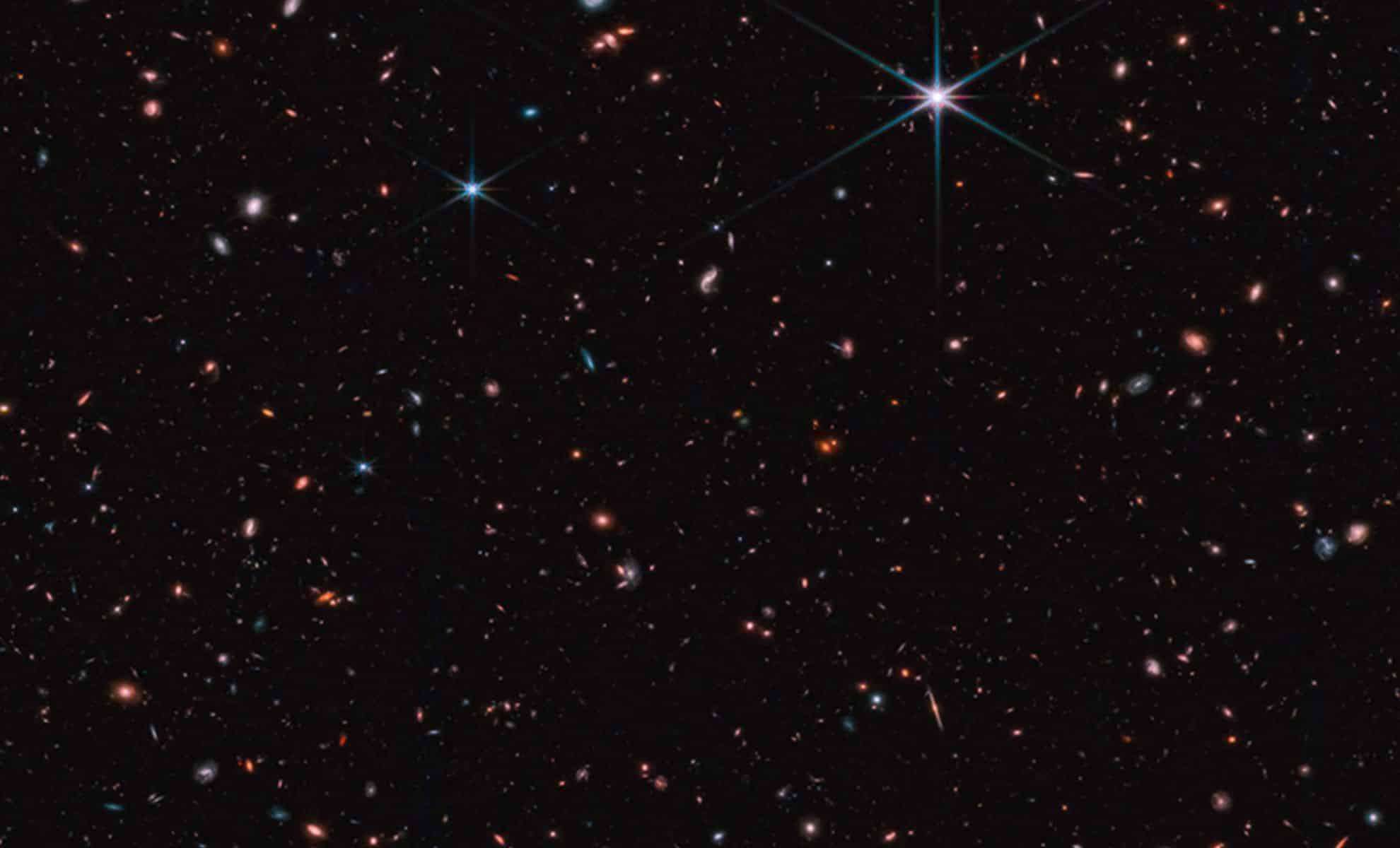
The origin and growth of galaxies remains a captivating subject for scientists studying the cosmos. Recent findings are shedding light on whether new galaxies continue to form in the current universe.
By analyzing galaxy creation mechanisms alongside the present conditions of the cosmos, researchers are uncovering answers to this intriguing question.
Decoding the Birth of Galaxies
Galaxies are vast assemblies of stars, gas, and dark matter formed billions of years in the past. For example, the Milky Way is approximately 13.6 billion years old. The James Webb Space Telescope has enabled us to glimpse early galaxies, offering key information on the processes that gave rise to these colossal structures.


The formation of galaxies started shortly after the Big Bang by gradual accumulation. Slight over-densities in matter grew over hundreds of millions of years, gathering dark matter first, followed by baryonic matter.
When ordinary matter concentrated in these dense regions, it compressed, split, and generated the earliest stars. These protogalaxies then acquired gas, merged with neighbors, and formed the mature galaxies we observe today. Essentially, this initial phase of galaxy creation is now largely complete.
No new protogalaxies or untouched primordial gas clouds are currently forming fresh galaxies in today’s cosmos. Instead, we observe evolved galaxies shaped through billions of years of mergers and interactions, effects far more common in the denser early universe.
Ongoing Star Formation and Galaxy Growth
Although the early galaxy assembly phase is finished, stars still form within galaxies at present, contributing to their ongoing evolution. Recent data reveal a greater diversity of small, medium, and large galaxies now compared to billions of years ago. This stems from continued star creation and the fusion of smaller galaxies into larger ones.
New stars appearing in galaxies play a critical role in their development. These stars illuminate galaxies, boost stellar mass, and influence internal dynamics. Furthermore, the continuous merger of galaxies enhances structural complexity and variety.
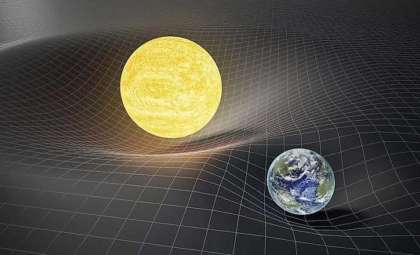
This merging activity promotes the rise of more elaborate galactic shapes and explains the wide range of galaxies observed today. Gravitational forces drive these interactions, contributing to the intricate cosmic landscape we see.
Dark Matter’s Impact on Galaxy Formation
Dark matter is fundamental to both galaxy birth and their ongoing evolution. Comprising roughly 27% of the universe’s total mass-energy, it exerts the gravitational force that pulls ordinary matter together to build stars and galaxies. Without dark matter’s influence, galaxies would lack the mass to maintain their integrity and would fly apart due to rotational speeds.
Recent observations with the James Webb Space Telescope have enhanced understanding of how dark matter shapes galaxy formation. These insights refine theoretical models describing the billions of years of galactic development. The complex interplay of dark and normal matter remains a vital focus in astrophysics, revealing key aspects of cosmic structure formation.
The Outlook for Galaxy Formation
Despite active star formation and galactic mergers, the emergence of brand-new galaxies is becoming increasingly uncommon. Universe expansion, propelled by dark energy, accelerates the separation of matter, hindering new galaxy formation. The zenith of star formation happened billions of years ago, and while galaxies continue to shine, the creation rate of new systems is declining.
Scientists anticipate that stellar birth will persist for hundreds of billions of years but at progressively slower speeds. As the universe matures, conditions that favored early rapid galaxy assembly no longer exist.
However, existing galaxies will keep changing through ongoing star creation and merger events, continually modifying their form and characteristics. “Galaxies continue producing stars today, but far less actively than during their peak formation era,” explained a prominent astronomer.
The future evolution of galaxies depends on the interplay of dark matter, dark energy, and the supply of gas and dust fueling star formation. Continued research into these factors will help explain how galaxies evolve moving forward.
- Categories:
- Astronomy ,
- News ,
- Space






0 comments
Sign in to Comment