
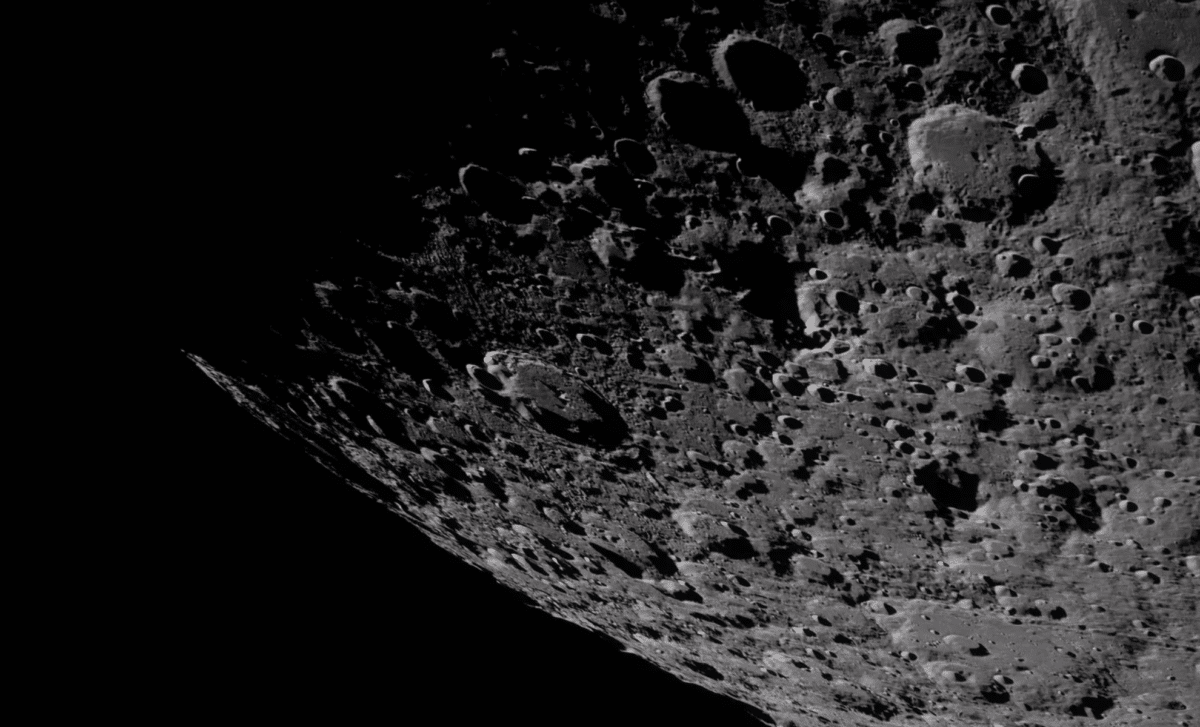
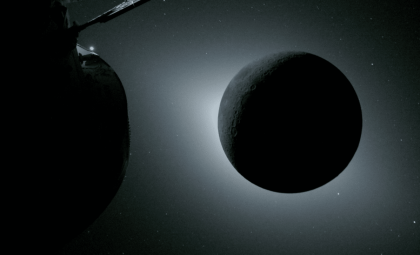
The Artemis 2 expedition by NASA has significantly impacted the space exploration landscape, with a recent observation by the Orion spacecraft crew enhancing its importance even further. During their landmark lunar flyby on April 6, 2026, astronauts detected fleeting bright flashes caused by micrometeorites striking the moon’s surface. This event marks the first human sighting of such impacts from space in over half a century, showcasing the advancements in space science and exploration technology.
Astonishing Lunar Encounter
NASA’s Artemis 2 mission signals humanity’s return to lunar exploration, with astronauts tasked with both navigation and crucial scientific investigations. During their approach to the moon’s far side, the team observed sudden bursts of light—micrometeorite strikes on the lunar terrain. Mission commander Reid Wiseman shared, “Those were definitely impact flashes on the moon. Jeremy (Hansen) just spotted another one,” capturing the genuine surprise felt live by the crew.
Lunar science lead Kelsey Young later described her amazement in a mission report, acknowledging she hadn’t anticipated such sightings during this mission.

“I don’t know if I expected to have the crew see any on this mission, so you probably saw the surprise and shock on my face,” Young said.
This breakthrough sheds light on micrometeorite impacts on the moon, a phenomenon mostly theoretical since Apollo days.
Understanding Lunar Impact Flashes
Micrometeorites are minuscule, rapidly traveling space debris that continuously collide with objects like the moon. Due to the moon’s lack of atmosphere, these particles strike its surface directly, creating brief luminous flashes. These flashes offer scientists valuable insights into the moon’s environmental conditions. As reported by Science Alert, the Artemis 2 astronauts witnessed these luminous bursts unaided by instruments, illustrating the mission’s scientific significance.
“I would suspect there were a lot more of them,” said Canadian astronaut Jeremy Hansen, who was part of the observation team. The flashes were extremely brief, with mission commander Wiseman noting that they lasted “a millisecond, like the fastest a camera shutter can open and close.”
Though the flashes were fleeting, the crew distinctly perceived them as white to bluish-white in hue.
This unexpected observation opens new frontiers in lunar science. Bruce Betts, the Planetary Society’s chief scientist, regarded the sighting as a significant milestone. “To me, there was no doubt we were seeing it, and we were all seeing it,” he commented. “I’m personally surprised they would see that many, although they had been trained to look for them.” These findings hint that micrometeorite activity might be more common than once believed, offering vital information about lunar conditions and risks for future explorers.
Insights from Micrometeorite Studies
While micrometeorites captivate by their impact on the moon’s surface, they also reveal insights about the broader cosmic environment. Often as small as sand grains, these particles help scientists understand the solar system’s formation, the lunar surface’s characteristics, and potential challenges for upcoming space missions. Previously, much about these impacts was speculative, but Artemis 2’s crew has provided rare, detailed observations.
The flashes spotted by astronauts offer concrete proof of micrometeorite frequency and intensity. Young emphasized that although the crew had prepared to detect these events, witnessing multiple impacts exceeded expectations. “Were they prolonged? And did you notice any color?” she asked, highlighting how the crew’s data will deepen knowledge of lunar dynamics and aid future exploratory missions.
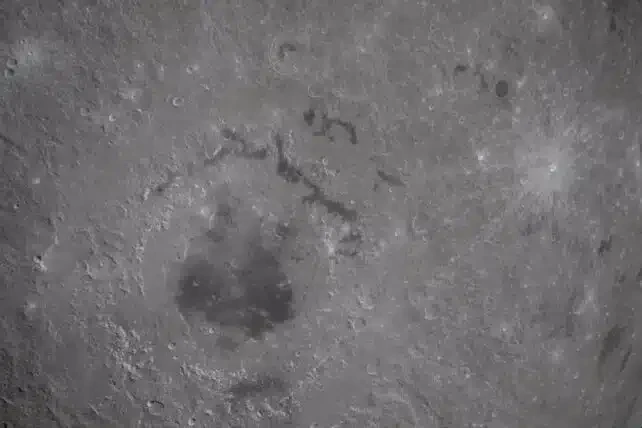
Launching a New Phase of Moon Exploration
The Artemis 2 mission inaugurates a promising era in lunar exploration, as the first crewed lunar flight in decades delivering valuable scientific observations. The mission’s data collection is already helping chart the course for future moon endeavors. With NASA’s Artemis program seeking loftier objectives, discoveries such as these micrometeorite flashes play a key role in advancing our understanding.
This groundbreaking journey, marked by the first-ever human observations of micrometeorite impacts on the moon, underscores the crucial blend of scientific research and exploration. As the Artemis 2 team continues their voyage back to Earth, their findings will be instrumental in preparing for humanity’s next lunar chapter.
- Categories:
- Nasa






0 comments
Sign in to Comment