
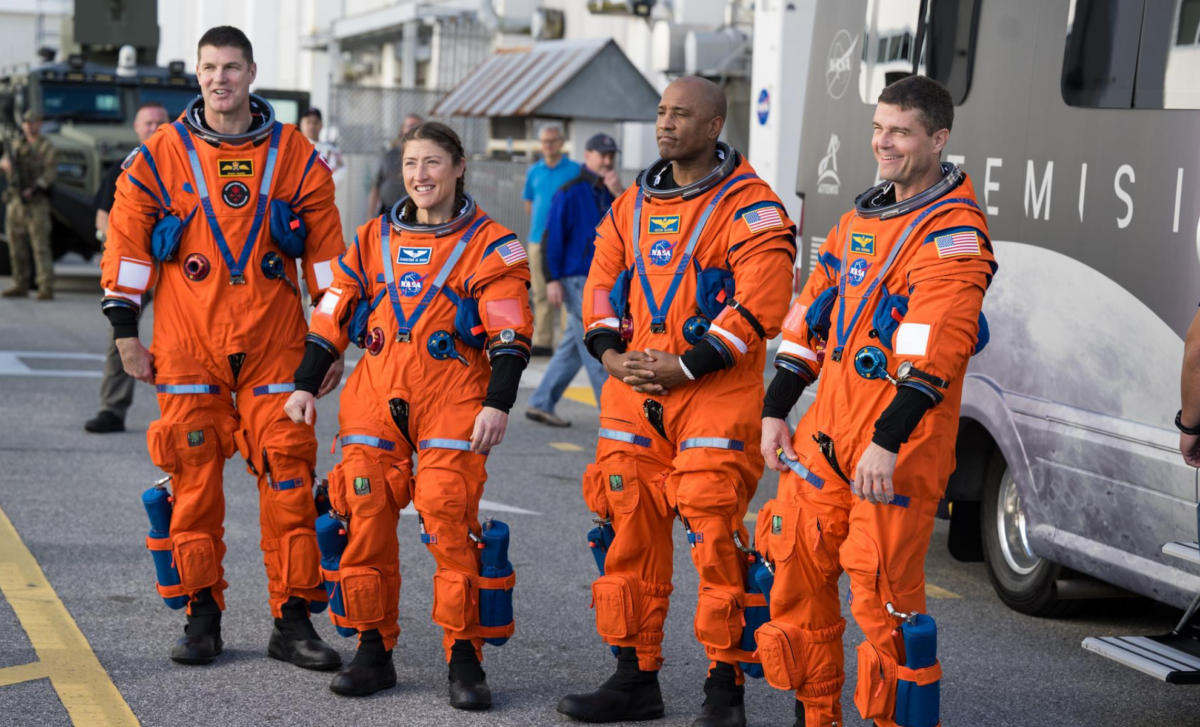
NASA has advanced one step closer to sending humans back to the Moon. On December 20, 2025, the Artemis II astronauts and support teams executed a crucial countdown rehearsal at the Kennedy Space Center, confirming vital prelaunch protocols for humanity's first crewed lunar expedition in over five decades.
Launch Day Rehearsal: From Spacesuit Donning to Hatch Closure
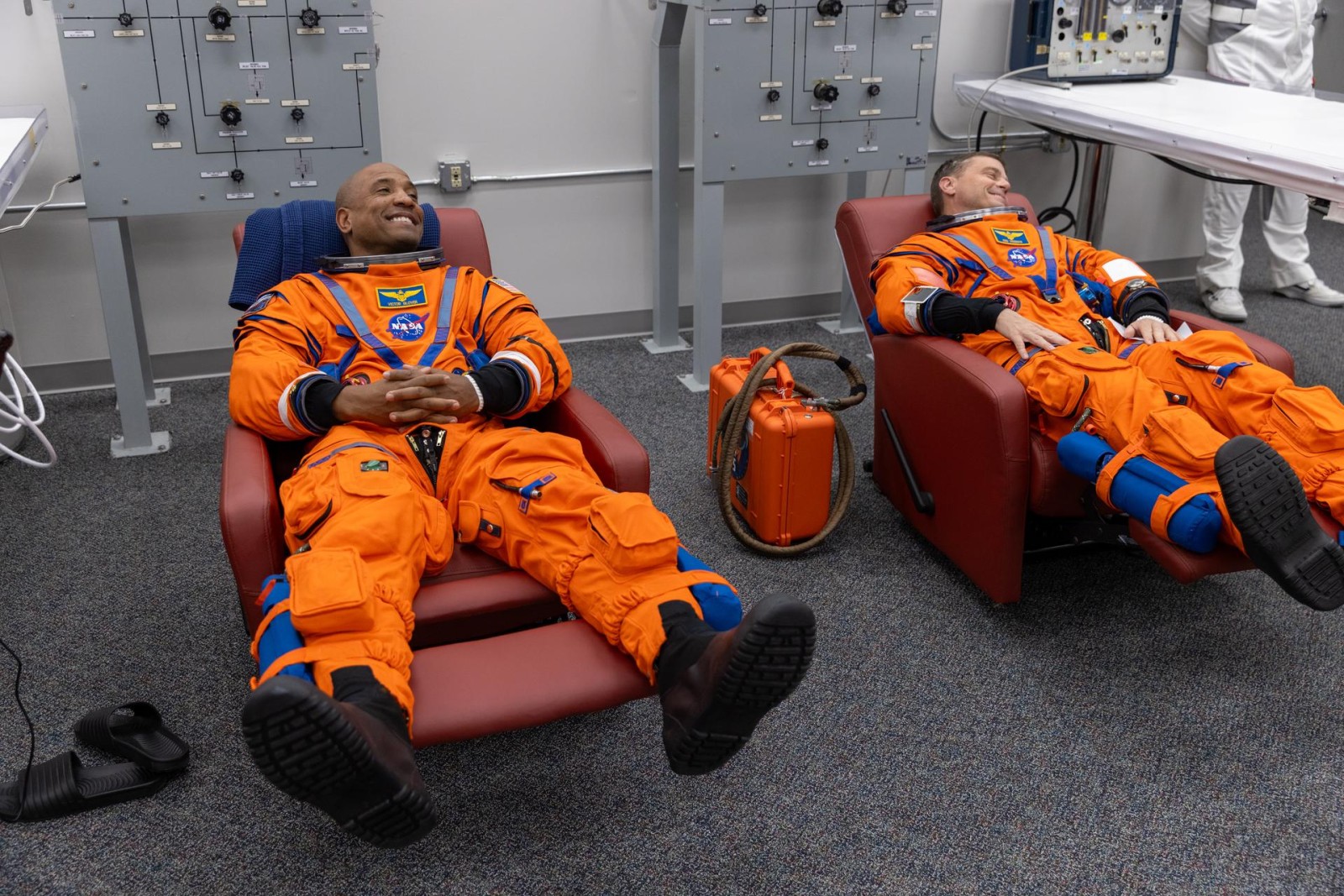
Clad in their Orion crew survival system spacesuits, astronauts Reid Wiseman, Victor Glover, Christina Koch, and Jeremy Hansen started the simulation by gearing up inside the historically significant Neil A. Armstrong Operations and Checkout Building. The drill replicated almost every aspect of the actual launch day schedule, including the iconic passage through double doors decorated with mission patches, a legacy linking Artemis to 60 years of American space exploration.
Accompanied by backup astronauts Andre Douglas and Jenni Gibbons as well as support crews, the Artemis II team took the Artemis astronaut van for a mock trip to Launch Complex 39B. Instead, the vehicle headed to High Bay 3 within the Vehicle Assembly Building, where the Space Launch System (SLS) rocket undergoes its final preparations.

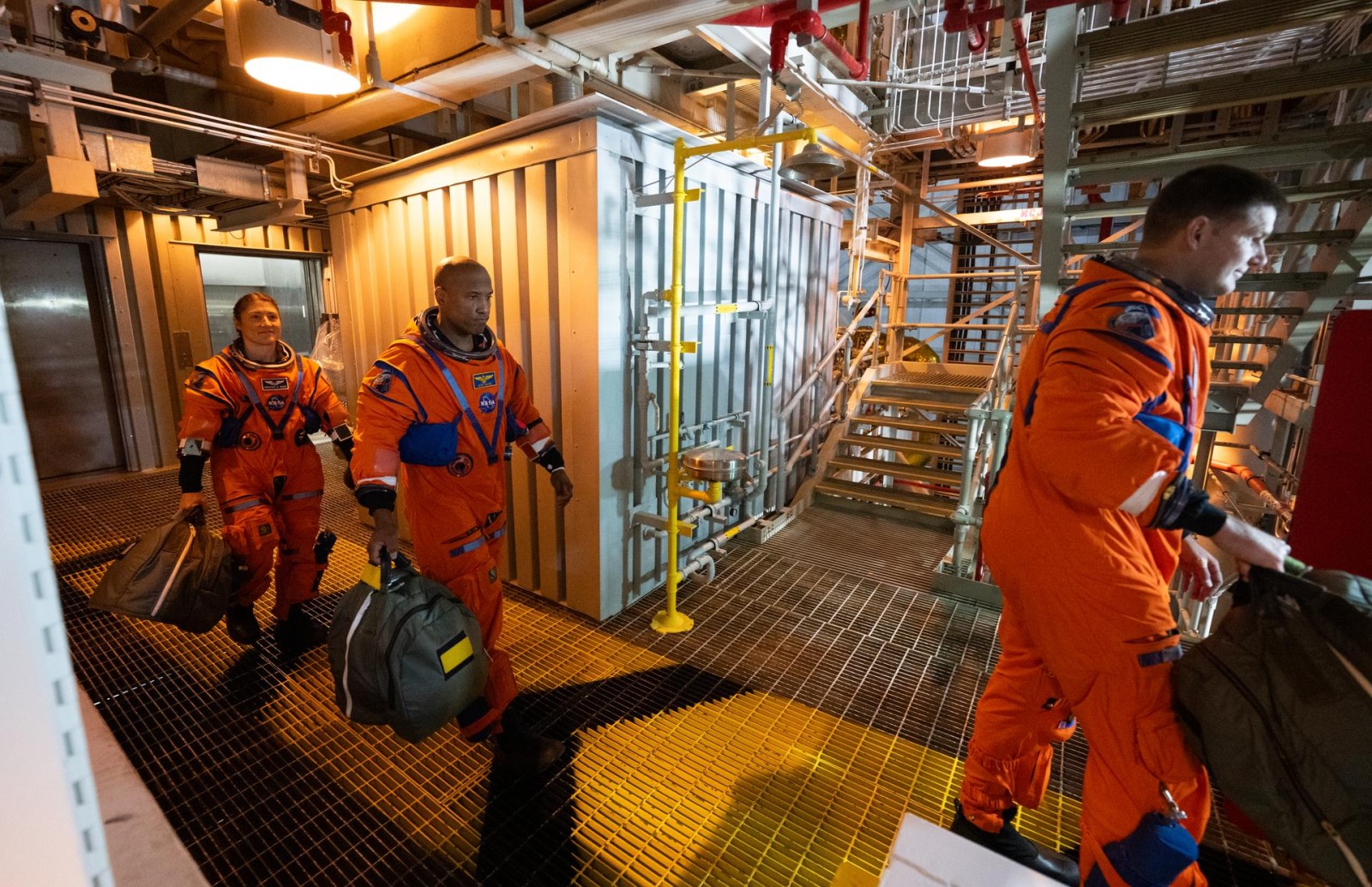
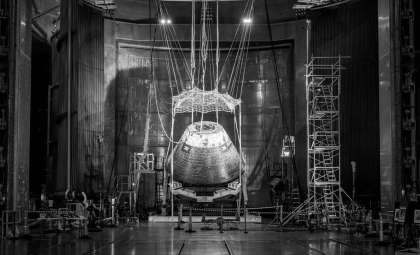
Next, the astronauts ascended almost 300 feet via the mobile launch platform’s elevator to the White Room, the immediate entry point to the spacecraft. Inside the capsule, named Integrity, the closeout team completed leak inspections, sealed the hatch, and checked communication systems. These procedures emulate the final 5.5 hours before the actual launch.
Building Readiness Through Simulated Challenges
During the drill, mission control deliberately introduced live technical issues such as communication lapses and environmental control faults. These planned disruptions provided the crew and flight controllers valuable practice in handling unexpected challenges under pressure.
All major goals for the rehearsal were successfully met, according to the official NASA announcement. This exercise also represented the first full integration of astronauts with the assembled Orion spacecraft and its launch systems in an operational setting, surpassing earlier partial simulations conducted earlier this year.
Launch Director Charlie Blackwell-Thompson emphasized that the exercise provided “an invaluable opportunity to validate our procedures under near-authentic conditions.” The countdown was intentionally paused just 30 seconds before liftoff, allowing engineers to identify minor system issues while avoiding unnecessary risk.
Gearing Up For Upcoming Launch Window
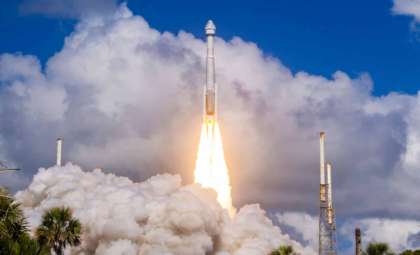
The Artemis II expedition, set for early 2026, marks the first time since Apollo 17 in 1972 that humans will travel beyond Earth's orbit. The mission will circle the Moon without landing, serving as a vital test for both technological systems and crew coordination ahead of the upcoming Artemis III mission, which aims to land astronauts on the lunar surface.
NASA has confirmed that more countdown rehearsals are planned once the SLS rocket is moved to Launch Complex 39B. Future simulations will concentrate on emergency evacuation procedures and advanced system contingencies, including abort protocols.
By thoroughly familiarizing the team with every aspect of launch day operations, NASA aims to reduce the likelihood of unexpected challenges that could compromise such a complex mission.
- Categories:
- Nasa







0 comments
Sign in to Comment