
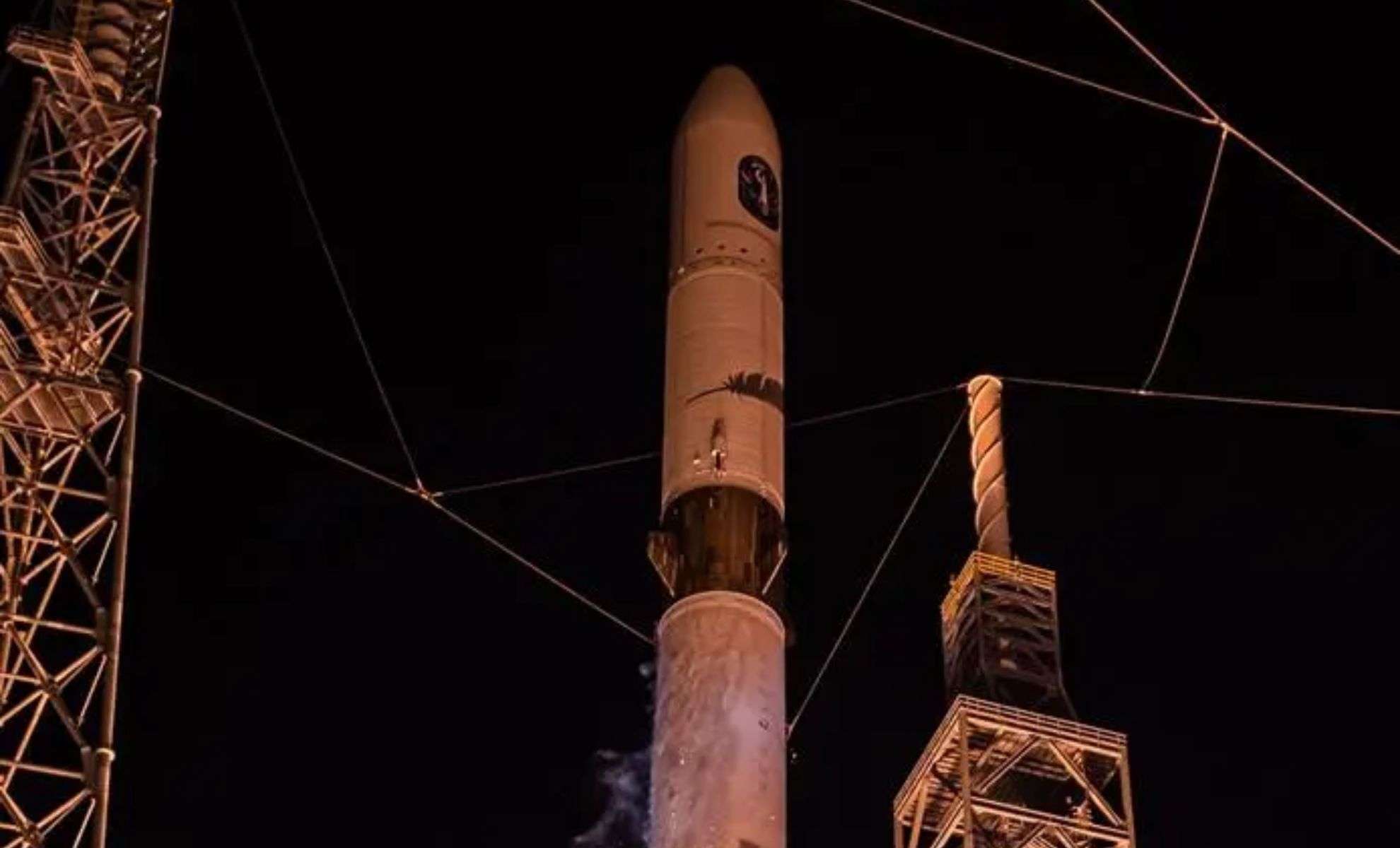
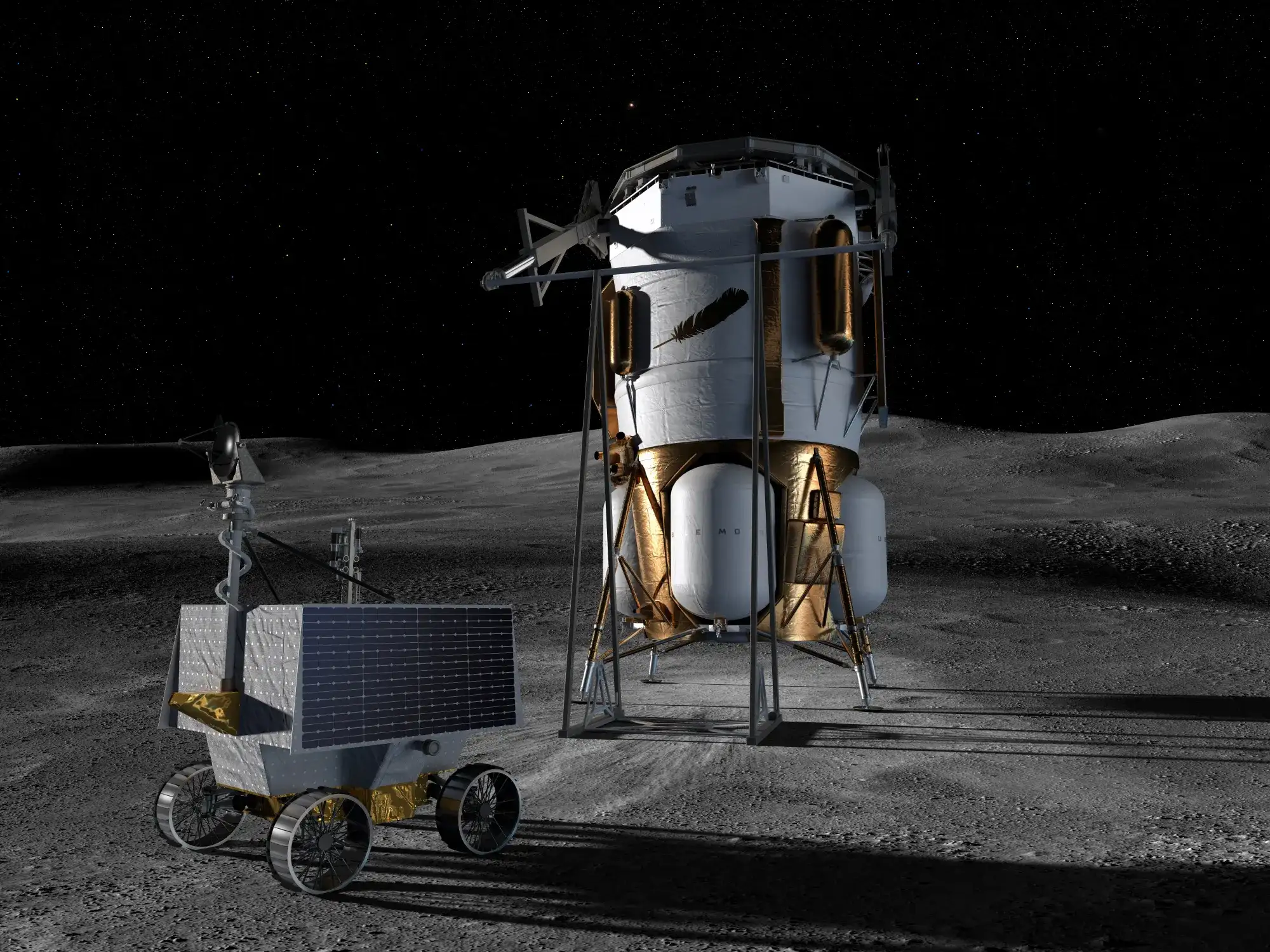
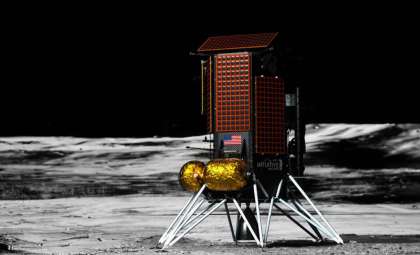
NASA’s VIPER rover, which once faced cancellation, has found a new lifeline for its Moon exploration mission. Blue Origin, the aerospace firm established by Jeff Bezos, has been chosen to transport the Volatiles Investigating Polar Exploration Rover (VIPER) to the lunar surface. The rover will be delivered via Blue Origin’s Blue Moon MK1 lander, launched atop the New Glenn rocket.
VIPER plays a vital role in NASA’s Artemis initiative, targeting human return missions to the Moon. The rover’s objective is to locate water ice at the lunar south pole, a potential resource essential for sustained human settlement. After previous hurdles, VIPER’s mission is moving forward with a new launch strategy and a fresh commercial collaborator.
A New Chapter for VIPER Post Budget Challenges
VIPER’s lunar mission has experienced a complicated path. Initially planned for a 2023 launch on Astrobotic’s Griffin lander, the mission encountered significant cost overruns that resulted in its cancellation in 2024. As reported by Sky & Telescope, the mission expenses ballooned from $250 million to over $500 million, forcing NASA to abandon the original schedule. Despite being fully assembled and ready, VIPER was left without a lunar transport vehicle.

Supported by NASA’s Commercial Lunar Payload Services (CLPS), VIPER’s prospects revived when Blue Origin was named the new delivery partner. Leveraging Blue Origin’s spaceflight capabilities, the Blue Moon MK1 lander will now ferry VIPER to the Moon. According to NASA’s announcement, this $190 million contract depends on the successful test flight of Blue Origin’s MK1 lander later this year, introducing some uncertainty to the mission timeline.
Blue Origin’s Growing Footprint in Lunar Exploration
This collaboration signifies a broader expansion for Blue Origin into commercial lunar ventures. VIPER represents Blue Origin’s second payload destined for the Moon, following their earlier use of the Blue Moon MK1 lander for a different NASA assignment.
The New Glenn rocket, engineered for heavy-lift capabilities, will launch VIPER and its lander towards the lunar surface. Although still under development, New Glenn’s maiden flight is planned for January 2025. Delivering VIPER hinges on the flawless operation of both this rocket and the lander, with successful deployment serving as a cornerstone for upcoming commercial lunar landing prospects.
VIPER’s Quest for Lunar Water Ice
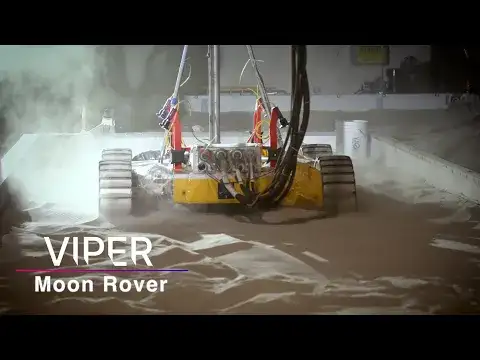
At the heart of VIPER’s mission is locating water ice deposits near the Moon’s south pole, a site of intense scientific interest due to possible resources crucial for future crewed missions. VIPER will investigate permanently shadowed craters that never receive sunlight yet may conceal water ice beneath the surface. Equipped with diverse scientific instruments including spectrometers and a drill, the rover aims to collect and analyze samples on-site.
Constructed to endure the Moon’s frigid and dark polar environment, VIPER features its own lighting system to illuminate exploration zones and will rely on solar-powered batteries to maintain operations during extended lunar nights.
During its 100-day expedition, VIPER is expected to traverse approximately 19 kilometers of rugged terrain. A key instrument, the TRIDENT drill, will enable the rover to bore beneath the surface to extract and study subsurface samples, shedding light on the Moon’s composition and resource potential.
- Categories:
- Nasa










0 comments
Sign in to Comment