
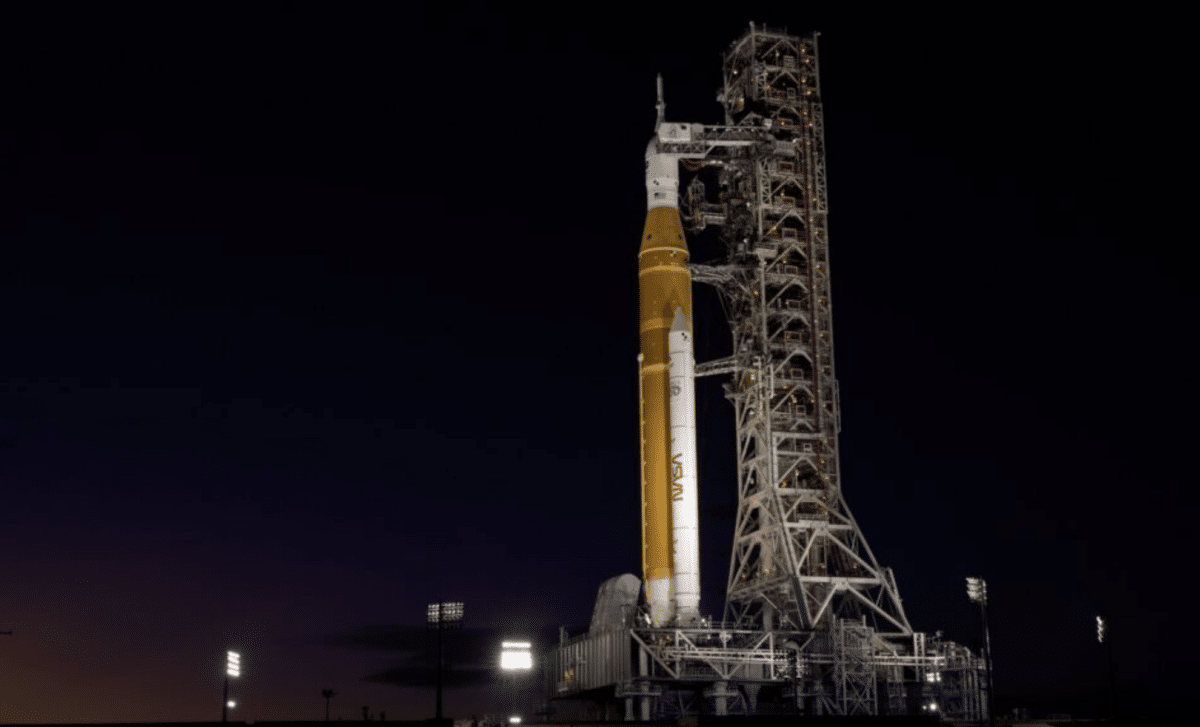
NASA’s Artemis II mission, originally planned to lift off soon, has been postponed until March following unresolved hydrogen leak problems discovered during recent testing. The space agency’s technicians were unable to fully address the leaks in time for the scheduled launch attempt, according to official NASA updates. This delay provides additional time for investigation and to conduct a second comprehensive Wet Dress Rehearsal to confirm the rocket's readiness.
Addressing Hydrogen Leak Challenges in Rocket Launches
Hydrogen, a highly efficient fuel used in rockets, poses significant difficulties during fueling operations. For NASA’s Artemis II mission, multiple hydrogen leaks emerged along the fueling system, forcing the launch timeline to be reevaluated. Even after attempts to secure the fuel lines, the leaks persisted, prompting the mission team to halt and review their approach.
Engineers at NASA spent over 48 hours troubleshooting to complete the Wet Dress Rehearsal (WDR), a critical countdown practice that includes fueling the rocket, verifying system integrity, and simulating launch countdown procedures. During the test, hydrogen concentrations repeatedly exceeded safety limits, causing NASA to pause the fueling process, warm up the lines, and reseat seals to minimize the leakage.

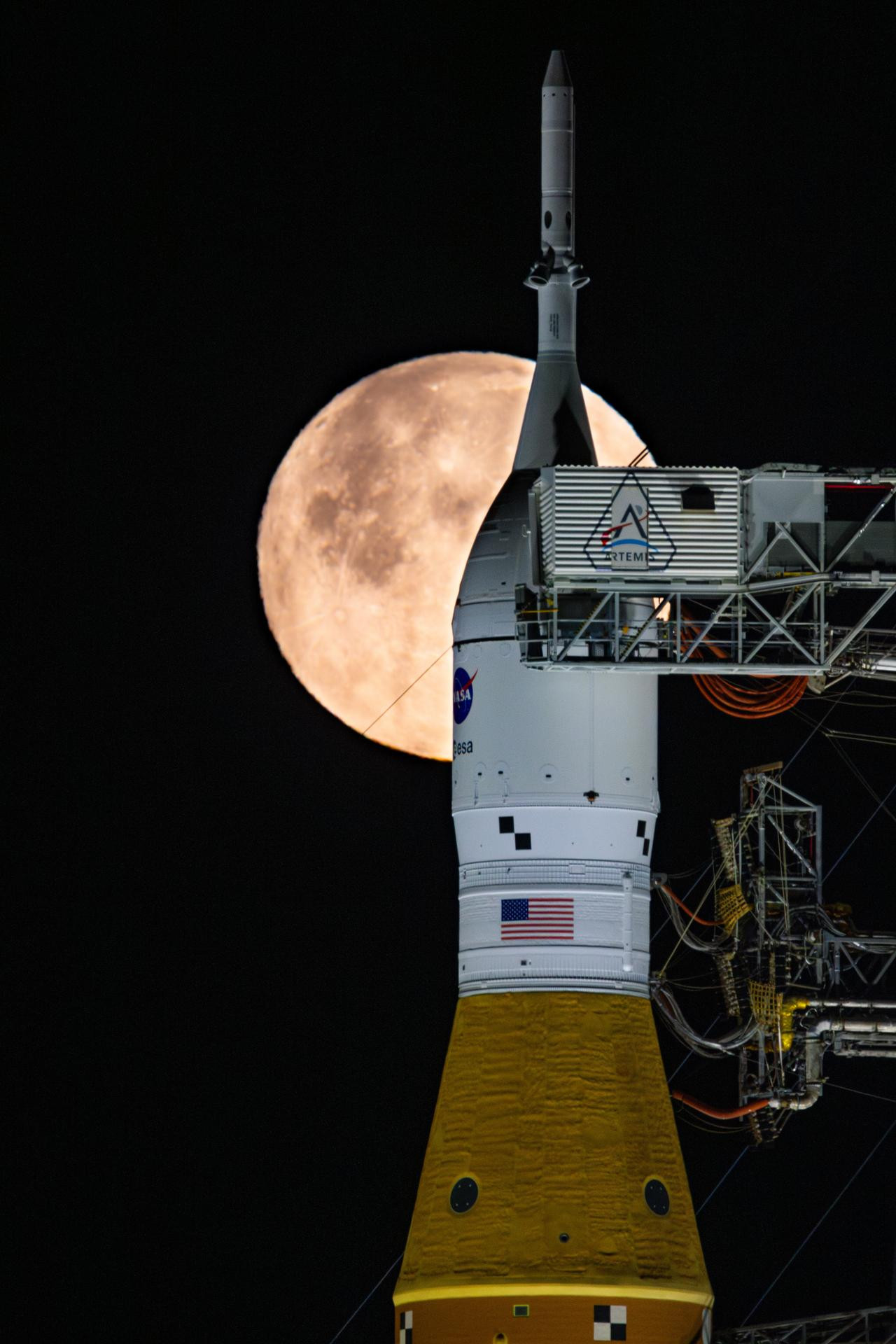
Consequently, NASA has adjusted the launch window to March following plans for a second Wet Dress Rehearsal. This extra preparation is vital to ensure astronaut safety before the mission proceeds. As emphasized by NASA, “safety remains our top priority, for our astronauts, our workforce, our systems, and the public,” highlighting their commitment to thorough safety checks before embarking on this major endeavor.
Why Hydrogen Leaks Pose Major Risks for Rocketry
As the primary fuel for the Artemis II rocket, hydrogen’s volatile nature requires meticulous handling. Any leaks can quickly create hazard conditions, including fire or explosions. During the Wet Dress Rehearsal, NASA’s engineering team worked to control the hydrogen flow and adjusted components to reseal affected areas.
Despite these efforts, hydrogen levels consistently surpassed safe thresholds, preventing resolution of the issue before concluding the test. The delay was officially announced as engineers continued late into the night seeking solutions, aiming for a follow-up test to confirm their fixes.
Safety remains paramount at NASA. Administrator Jared Isaacman stated, “We will only launch when we believe we are ready to undertake this historic mission.” Such a precautionary stance is crucial given the Artemis program’s scale and ambition in returning humans to the Moon and beyond.
The Path Forward for Artemis II Amid Technical Hurdles
Artemis II represents the first crewed flight trial of NASA’s Space Launch System (SLS), the rocket designed to enable astronauts to journey to the Moon and farther. The mission, carrying a human crew inside the Orion spacecraft, is a pivotal stage in NASA’s Artemis initiative to establish a permanent human presence on the lunar surface by decade’s end. However, preparing such an intricate system for flight involves overcoming numerous technical obstacles.
During the recent Wet Dress Rehearsal, NASA successfully loaded more than 750,000 gallons of fuel into the towering 322-foot vehicle. Yet, complications ranged from hydrogen leaks to issues with the Orion spacecraft’s hatch. These challenges underscore how delicate rocket preparations are, where even a small failure can trigger significant project delays. NASA noted, “Engineers pushed through several challenges during the two-day test and met many of the planned objectives,” demonstrating their dedication despite setbacks.
Prioritizing Safety on Spaceflight Missions
Safety protocols for the Artemis II operation are uncompromising. NASA is devoted to conducting all mission processes with the utmost caution to protect the astronauts, mission teams, and the public. This vigilance is essential when managing hazardous systems like a liquid hydrogen-powered rocket.
The Artemis II mission is not only a critical milestone in NASA’s deep space exploration plans but also a testament to the agency’s learning and technological advancement. The delays linked to hydrogen leaks highlight the essential nature of rigorous testing before launch. NASA Administrator Jared Isaacman reiterated, “As always, safety remains our top priority,” reflecting the agency’s readiness to postpone the mission until all risks are fully mitigated.
- Categories:
- Space





0 comments
Sign in to Comment